
U.S. House advances geothermal, tribal and water infrastructure bills
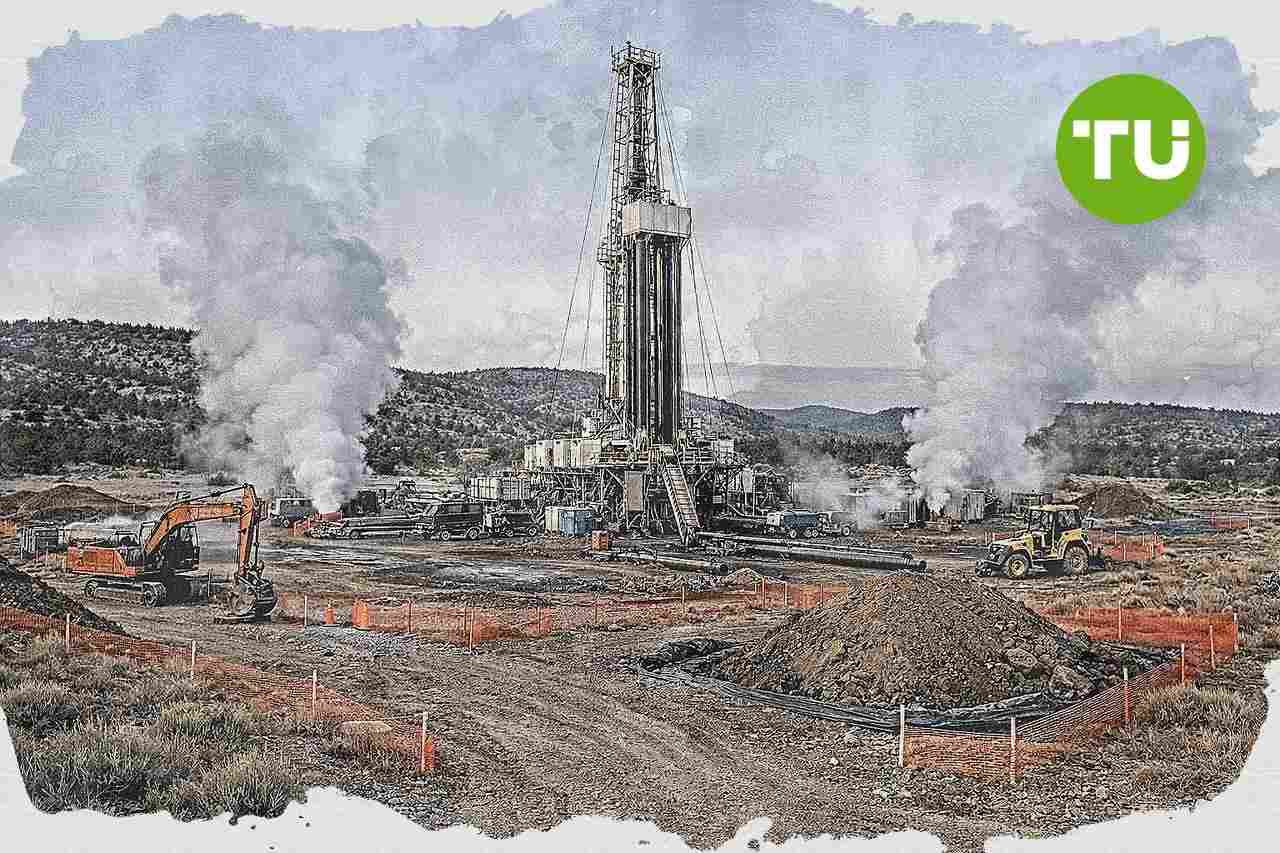
The U.S. House of Representatives is advancing a package of natural resources bills aimed at energy development, tribal support, recreation access and rural infrastructure. The measures span geothermal leasing, Alaska Native and tribal land matters, water systems and wildfire-related needs across several states.
Highlights
- U.S. House passed a legislative package advancing geothermal energy via H.R. 1687 and H.R. 5631, streamlining permitting, setting lease sale requirements, and altering royalties.
- The package includes tribal land and membership measures, such as placing 860 acres into trust for the Pechanga Band and expanding rights for Alaska Natives and the Catawba Indian Nation.
- Regional bills authorize water infrastructure transfers like H.R. 5911 for Ouray, CO, rural water system reauthorizations, and motivate wildfire mitigation studies across federal and non-federal lands.
Legislative package spans energy, tribes and public lands
As reported by the House Committee on Natural Resources, the chamber passed a broad set of bills that Republican lawmakers say is intended to support rural communities and speed project delivery across federal lands.Committee Chairman Bruce Westerman says the package makes geothermal energy easier to develop, while also moving legislation tied to Alaska Natives, Indian tribes, outdoor recreation in the southeastern U.S. and water infrastructure in Colorado. He is urging the Senate to act soon on the measures.
The energy portion includes H.R. 1687, the CLEAN Act, which requires the Secretary of the Interior to hold annual geothermal lease sales and sets timelines for permit applications. Lawmakers also advanced H.R. 5631, the Geothermal Energy Advancement Act, which combines six bipartisan geothermal measures, including faster permitting, a new geothermal ombudsman role within the Bureau of Land Management, royalty changes, fee collection authority, broader categorical exclusions for some geothermal activity and best-practice guidance for leasing and permitting.
Other bills in the package address tribal and Native issues. H.R. 41 would let five Southeast Alaska communities organize into Alaska Native urban corporations and select townships within the Tongass National Forest, while H.R. 4463 removes federal limits on membership determinations for the Catawba Indian Nation. H.R. 5682 places 860 acres managed by the Bureau of Land Management into trust for the Pechanga Band of Indians, and H.R. 6162 places about 9.89 acres of former Albuquerque Indian School land into trust for the benefit of the 19 Pueblos of New Mexico.
Regional effects for energy, recreation and infrastructure
The legislation also reaches into recreation and local infrastructure. H.R. 2768 authorizes a feasibility study on designating the Benton MacKaye Trail in Georgia, Tennessee and North Carolina as a National Scenic Trail, while H.R. 3831 extends Florida's shark-feeding ban into the federal Exclusive Economic Zone off the state's coast to support safer ocean recreation.In Colorado, H.R. 5911 would convey Crystal Reservoir, Full Moon Dam and Ditch, plus 45 acres of surrounding land, to the city of Ouray. The measure is designed to give the city direct control over an asset described as important for wildfire suppression, recreation and water supply for a growing population.
Rural water and land management measures are also part of the package. H.R. 7250 reauthorizes the Fort Peck Rural Water System Act of 2000 for northeastern Montana, H.R. 7831 renews Bureau of Land Management authority to collect oil and gas permit-processing fees, and H.R. 3922 directs the U.S. Government Accountability Office to study wildfire mitigation across federal and non-federal lands.
Our earlier coverage of the bipartisan proposal to repeal the 12% federal excise tax on heavy-duty trucks explained how lawmakers aim to lower new vehicle costs and accelerate fleet turnover toward newer, cleaner models. We also noted the trade-off policymakers face, as the tax raises more than $6 billion a year and repealing it would reopen debate over how to balance industry incentives with federal revenue needs.





Latest Legislation News










-
 Afghanistan
-
 Albania
-
 Algeria
-
 Angola
-
 Argentina
-
 Armenia
-
 Australia
-
 Austria
-
 Azerbaijan
-
 Bahamas
-
 Bahrain
-
 Bangladesh
-
 Belarus
-
 Belgium
-
 Bolivia
-
 Botswana
-
 Brazil
-
 Brunei
-
 Bulgaria
-
 Cambodia
-
 Cameroon
-
 Canada
-
 Chile
Chile
-
 China
China
-
 Colombia
-
 Congo
Congo
-
 Costa Rica
-
 Cote d'Ivoire
-
 Croatia
-
 Cuba
Cuba
-
 Cyprus
-
 Czechia
-
 DR Congo
-
 Denmark
-
 Dominican Republic
-
 Ecuador
-
 Egypt
Egypt
-
 El Salvador
-
 Estonia
-
 Eswatini
-
 Ethiopia
-
 Finland
-
 France
-
 Georgia
-
 Germany
-
 Ghana
Ghana
-
 Greece
-
 Haiti
Haiti
-
 Hong Kong
-
 Hungary
-
 India
India
-
 Indonesia
-
 Iran, Islamic republic
-
 Iraq
Iraq
-
 Ireland
-
 Israel
-
 Italy
Italy
-
 Jamaica
-
 Japan
Japan
-
 Jordan
-
 Kazakhstan
-
 Kenya
Kenya
-
 Korea
Korea
-
 Kuwait
-
 Kyrgyzstan
-
 Laos
Laos
-
 Latvia
-
 Lebanon
-
 Lesotho
-
 Libya
Libya
-
 Lithuania
-
 Luxembourg
-
 Madagascar
-
 Malaysia
-
 Malta
Malta
-
 Mauritius
-
 Mexico
-
 Moldova
-
 Mongolia
-
 Montenegro
-
 Morocco
-
 Mozambique
-
 Myanmar
-
 Namibia
-
 Nepal
Nepal
-
 Netherlands
-
 New Zealand
-
 Nigeria
-
 North Macedonia
-
 Norway
-
 Oman
Oman
-
 Pakistan
-
 Palestine
-
 Panama
-
 Papua New Guinea
-
 Paraguay
-
 Peru
Peru
-
 Philippines
-
 Poland
-
 Portugal
-
 Puerto Rico
-
 Qatar
Qatar
-
 Reunion
-
 Romania
-
 Rwanda
-
 Saudi Arabia
-
 Serbia
-
 Singapore
-
 Slovakia
-
 Slovenia
-
 Somalia
-
 South Africa
-
 Spain
Spain
-
 Sri Lanka
-
 Sweden
-
 Switzerland
-
 Syria
Syria
-
 Taiwan
-
 Tajikistan
-
 Tanzania
-
 Thailand
-
 Trinidad and Tobago
-
 Tunisia
-
 Turkey
-
 UAE
UAE
-
 Uganda
-
 Ukraine
-
 United Kingdom
-
United States
-
 Uruguay
-
 Uzbekistan
-
 Venezuela
-
 Vietnam
-
 Yemen
Yemen
-
 Zambia
-
 Zimbabwe
- Forex
- Crypto












