
UK parliament repair delays add to Palace of Westminster cost risk
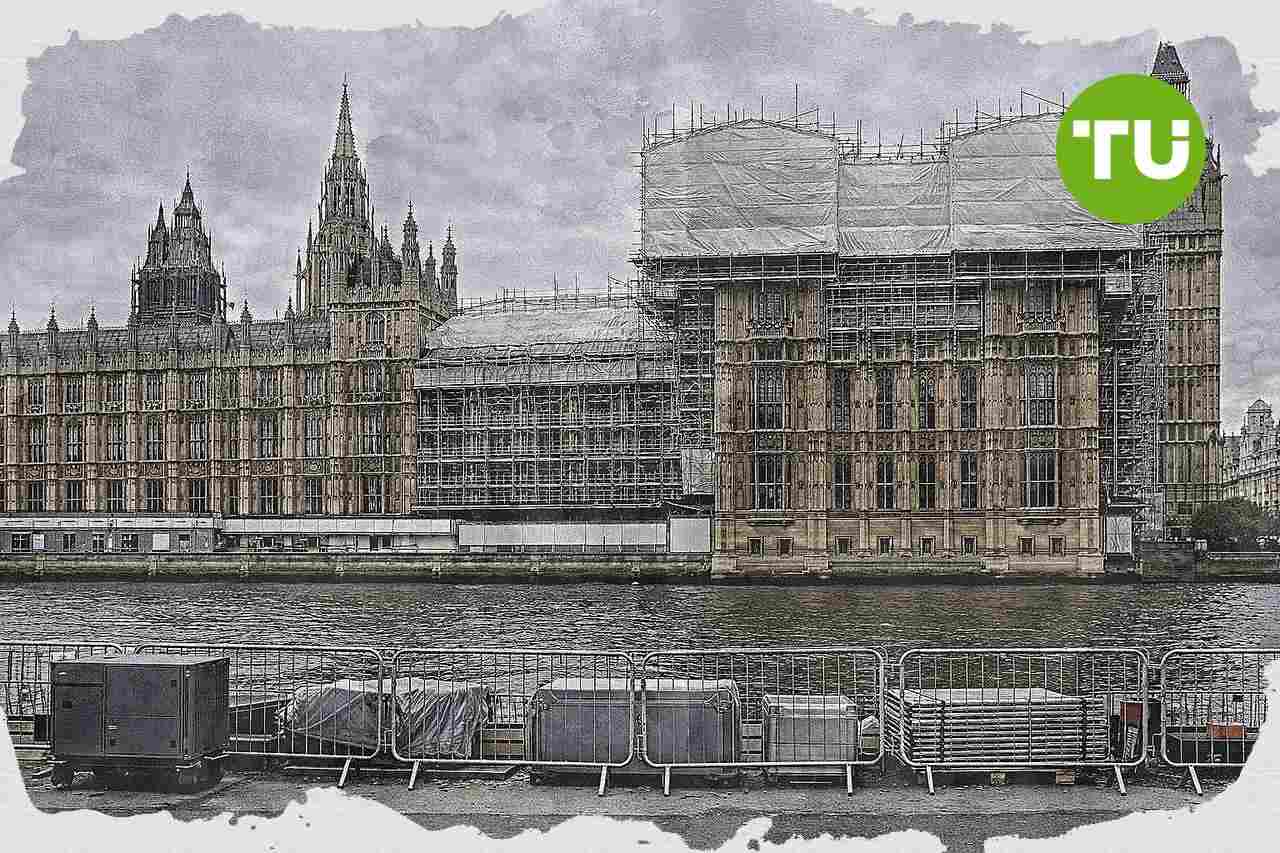
Rising delay costs are intensifying pressure on UK lawmakers to decide how to restore the Palace of Westminster, as the long-running project faces mounting financial and operational risks. The National Audit Office says every year of further delay adds £320 million to £420 million to a programme already estimated to cost more than £11 billion.
Highlights
- NAO reports Palace of Westminster repairs could cost £11 billion–£16 billion for a full decant over up to 24 years, or up to £39 billion if MPs stay during works spanning four to six decades.
- Parliament faces increasing costs from yearly delays due to inflation, ongoing maintenance, and management expenses, with a proposed seven-year, £3 billion initial works package before a final decision in 2030.
- Complex project governance and lack of developed accommodation plans risk further timetable slippage, with refurbishment potentially starting in 2032 or 2034 and major impacts on parliamentary operations for decades.
Restoration options and cost escalation
As reported by the Financial Times and the National Audit Office, the Palace of Westminster is in urgent need of repairs to address fire safety problems, asbestos, deteriorating electrical systems and the condition of the historic building fabric. The public spending watchdog says there is no route forward without cost and risk, and warns that continued inaction could leave the palace uninhabitable.Parliament first voted in 2018 to renovate the site and relocate MPs, but governments since then have delayed or altered the project’s direction. In February, the board overseeing the restoration asked MPs to narrow the plan from four options to two, either a full decant with MPs moving elsewhere at a cost of £11 billion to £16 billion over as long as 24 years, or carrying out the work while MPs remain in place at a cost of up to £39 billion over four to six decades.
The board also asked parliament to approve a seven-year, £3 billion package of initial works before a final choice between the two remaining options in 2030. The NAO says yearly delays increase the overall bill through inflation, ongoing maintenance, management costs and the expense of developing possible schemes.
Governance and operational impact
Current plans put the start of full refurbishment in 2032 if MPs relocate, or 2034 if they stay in the building during the works. The NAO says those timelines could slip further if alternative accommodation, especially for the House of Commons, is not ready in time.The House of Lords is expected to move to the Queen Elizabeth II Conference Centre, while the option of MPs staying in place remains more exposed to cost and scheduling pressure because it is less developed and would run for much longer. The auditor also warns that the project’s complex governance structure is slowing decisions and weakening accountability.
Sir Geoffrey Clifton-Brown, chair of the Public Accounts Committee, says the NAO report is vital in informing MPs' decision. He says the refurbishment will affect the working lives of parliamentarians and staff for many decades to come.
Our earlier report on FedEx’s multiyear overhaul detailed how the company is approaching a key investor test, with management under pressure to show that cost cuts, network redesign, and a shift toward higher-margin shipments are translating into durable profit growth. We also noted the separation of FedEx Freight and the intensifying competitive backdrop in U.S. logistics, factors that raise the stakes for execution and long-range planning.















-
 Afghanistan
-
 Albania
-
 Algeria
-
 Angola
-
 Argentina
-
 Armenia
-
 Australia
-
 Austria
-
 Azerbaijan
-
 Bahamas
-
 Bahrain
-
 Bangladesh
-
 Belarus
-
 Belgium
-
 Bolivia
-
 Botswana
-
 Brazil
-
 Brunei
-
 Bulgaria
-
 Cambodia
-
 Cameroon
-
 Canada
-
 Chile
Chile
-
 China
China
-
 Colombia
-
 Congo
Congo
-
 Costa Rica
-
 Cote d'Ivoire
-
 Croatia
-
 Cuba
Cuba
-
 Cyprus
-
 Czechia
-
 DR Congo
-
 Denmark
-
 Dominican Republic
-
 Ecuador
-
 Egypt
Egypt
-
 El Salvador
-
 Estonia
-
 Eswatini
-
 Ethiopia
-
 Finland
-
 France
-
 Georgia
-
 Germany
-
 Ghana
Ghana
-
 Greece
-
 Haiti
Haiti
-
 Hong Kong
-
 Hungary
-
 India
India
-
 Indonesia
-
 Iran, Islamic republic
-
 Iraq
Iraq
-
 Ireland
-
 Israel
-
 Italy
Italy
-
 Jamaica
-
 Japan
Japan
-
 Jordan
-
 Kazakhstan
-
 Kenya
Kenya
-
 Korea
Korea
-
 Kuwait
-
 Kyrgyzstan
-
 Laos
Laos
-
 Latvia
-
 Lebanon
-
 Lesotho
-
 Libya
Libya
-
 Lithuania
-
 Luxembourg
-
 Madagascar
-
 Malaysia
-
 Malta
Malta
-
 Mauritius
-
 Mexico
-
 Moldova
-
 Mongolia
-
 Montenegro
-
 Morocco
-
 Mozambique
-
 Myanmar
-
 Namibia
-
 Nepal
Nepal
-
 Netherlands
-
 New Zealand
-
 Nigeria
-
 North Macedonia
-
 Norway
-
 Oman
Oman
-
 Pakistan
-
 Palestine
-
 Panama
-
 Papua New Guinea
-
 Paraguay
-
 Peru
Peru
-
 Philippines
-
 Poland
-
 Portugal
-
 Puerto Rico
-
 Qatar
Qatar
-
 Reunion
-
 Romania
-
 Rwanda
-
 Saudi Arabia
-
 Serbia
-
 Singapore
-
 Slovakia
-
 Slovenia
-
 Somalia
-
 South Africa
-
 Spain
Spain
-
 Sri Lanka
-
 Sweden
-
 Switzerland
-
 Syria
Syria
-
 Taiwan
-
 Tajikistan
-
 Tanzania
-
 Thailand
-
 Trinidad and Tobago
-
 Tunisia
-
 Turkey
-
 UAE
UAE
-
 Uganda
-
 Ukraine
-
 United Kingdom
-
United States
-
 Uruguay
-
 Uzbekistan
-
 Venezuela
-
 Vietnam
-
 Yemen
Yemen
-
 Zambia
-
 Zimbabwe
- Forex
- Crypto












