
UK debate over reversing Brexit revives questions about economic and political strategy
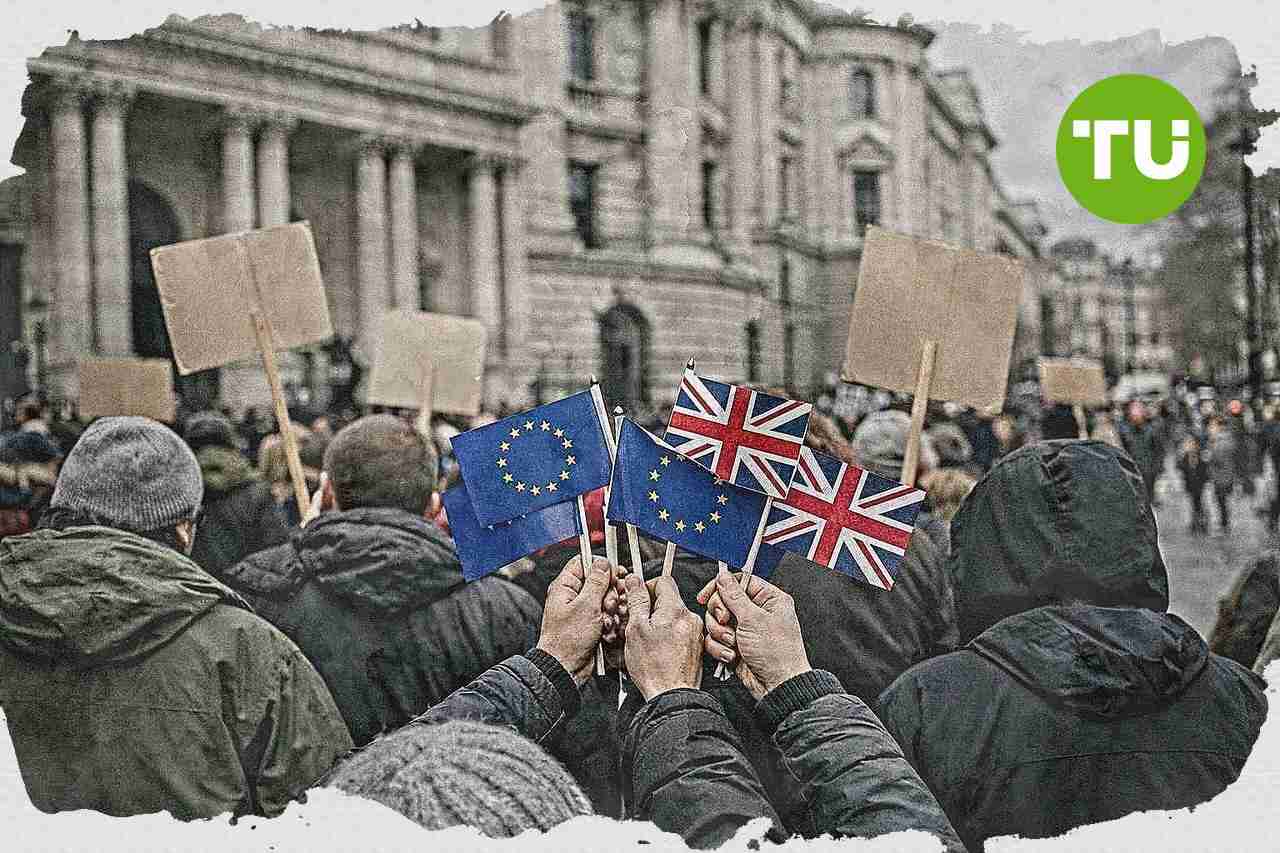
A decade after Britain voted to leave the European Union, the question of rejoining is returning to the center of UK political debate. The renewed discussion comes even as Brexit is widely seen as having hurt the economy and weakened the UK’s diplomatic reach and global influence.
Highlights
- Bloomberg argues that the key barrier to UK rejoining the EU is an unresolved identity crisis rather than practical or economic obstacles.
- Despite difficult-to-dispute economic damage and diplomatic strain from Brexit, national self-definition supersedes simple institutional concerns in rejoining debates.
- Political sensitivity around EU rulemaking and symbolic grievances over regulation continue to shape UK strategy, affecting trade, investment, and governance outlook.
Arguments against returning to the EU
As argued by Bloomberg, the case against reversing Brexit does not rest on the idea that leaving the European Union was the right decision. The central argument is that Brexit reflects a deeper UK identity crisis that remains unresolved, meaning reentry would not address the political and social forces that drove the original break.The commentary says the economic damage from withdrawal is now difficult to dispute, while the strain on diplomatic relationships and international standing is also evident. Even so, it contends that practical obstacles to rejoining, while significant, are not the main reason for opposing a reversal.
Political identity remains the bigger constraint
The broader issue is presented as one of national self-definition rather than simple institutional membership. In that view, Brexit was rooted in long-running discomfort with EU rulemaking and governance, a sentiment that cannot be erased merely by reopening the membership question.The article also frames parts of the original leave campaign as being driven by hostility to EU bureaucracy and by symbolic grievances over regulation. That helps explain why the debate still carries political sensitivity for the UK, with implications that extend beyond trade and investment into the country’s longer-term governing model and place in Europe.
In our earlier article on Brexit’s continuing impact, we outlined how the split has reshaped trade rules, regulation, logistics and labor flows across the UK and Europe, creating both clear economic costs and pockets of sectoral and regional gains. We also highlighted how Northern Ireland’s dual-market access under the Windsor framework has given it a distinctive advantage, even as broader frictions and administrative burdens persist for UK–EU commerce.












-
 Afghanistan
-
 Albania
-
 Algeria
-
 Angola
-
 Argentina
-
 Armenia
-
 Australia
-
 Austria
-
 Azerbaijan
-
 Bahamas
-
 Bahrain
-
 Bangladesh
-
 Belarus
-
 Belgium
-
 Bolivia
-
 Botswana
-
 Brazil
-
 Brunei
-
 Bulgaria
-
 Cambodia
-
 Cameroon
-
 Canada
-
 Chile
Chile
-
 China
China
-
 Colombia
-
 Congo
Congo
-
 Costa Rica
-
 Cote d'Ivoire
-
 Croatia
-
 Cuba
Cuba
-
 Cyprus
-
 Czechia
-
 DR Congo
-
 Denmark
-
 Dominican Republic
-
 Ecuador
-
 Egypt
Egypt
-
 El Salvador
-
 Estonia
-
 Eswatini
-
 Ethiopia
-
 Finland
-
 France
-
 Georgia
-
 Germany
-
 Ghana
Ghana
-
 Greece
-
 Haiti
Haiti
-
 Hong Kong
-
 Hungary
-
 India
India
-
 Indonesia
-
 Iran, Islamic republic
-
 Iraq
Iraq
-
 Ireland
-
 Israel
-
 Italy
Italy
-
 Jamaica
-
 Japan
Japan
-
 Jordan
-
 Kazakhstan
-
 Kenya
Kenya
-
 Korea
Korea
-
 Kuwait
-
 Kyrgyzstan
-
 Laos
Laos
-
 Latvia
-
 Lebanon
-
 Lesotho
-
 Libya
Libya
-
 Lithuania
-
 Luxembourg
-
 Madagascar
-
 Malaysia
-
 Malta
Malta
-
 Mauritius
-
 Mexico
-
 Moldova
-
 Mongolia
-
 Montenegro
-
 Morocco
-
 Mozambique
-
 Myanmar
-
 Namibia
-
 Nepal
Nepal
-
 Netherlands
-
 New Zealand
-
 Nigeria
-
 North Macedonia
-
 Norway
-
 Oman
Oman
-
 Pakistan
-
 Palestine
-
 Panama
-
 Papua New Guinea
-
 Paraguay
-
 Peru
Peru
-
 Philippines
-
 Poland
-
 Portugal
-
 Puerto Rico
-
 Qatar
Qatar
-
 Reunion
-
 Romania
-
 Rwanda
-
 Saudi Arabia
-
 Serbia
-
 Singapore
-
 Slovakia
-
 Slovenia
-
 Somalia
-
 South Africa
-
 Spain
Spain
-
 Sri Lanka
-
 Sweden
-
 Switzerland
-
 Syria
Syria
-
 Taiwan
-
 Tajikistan
-
 Tanzania
-
 Thailand
-
 Trinidad and Tobago
-
 Tunisia
-
 Turkey
-
 UAE
UAE
-
 Uganda
-
 Ukraine
-
 United Kingdom
-
United States
-
 Uruguay
-
 Uzbekistan
-
 Venezuela
-
 Vietnam
-
 Yemen
Yemen
-
 Zambia
-
 Zimbabwe
- Forex
- Crypto












