

UK sectors and regions gain from Brexit disruption as trade and labor patterns shift
Nearly a decade after the Leave vote, Brexit continues to reshape trade, regulation and labor flows across the UK and Europe. While economists broadly judge the split to have damaged UK exports and investment, some industries, workers and regions are still benefiting from the disruption.
Highlights
- The Chartered Institute of Export & International Trade trained 10,000 new customs agents since 2020 as post-Brexit customs and regulatory services demand surged.
- The UK has secured €127 million in public investment for alternative protein research from 2020 to 2024, making it Europe’s top destination in this sector.
- Northern Ireland's dual market access under the Windsor framework led to nominal household income growth 3 per cent higher than without Brexit, per a 2024 study.
Trade, regulation and logistics winners
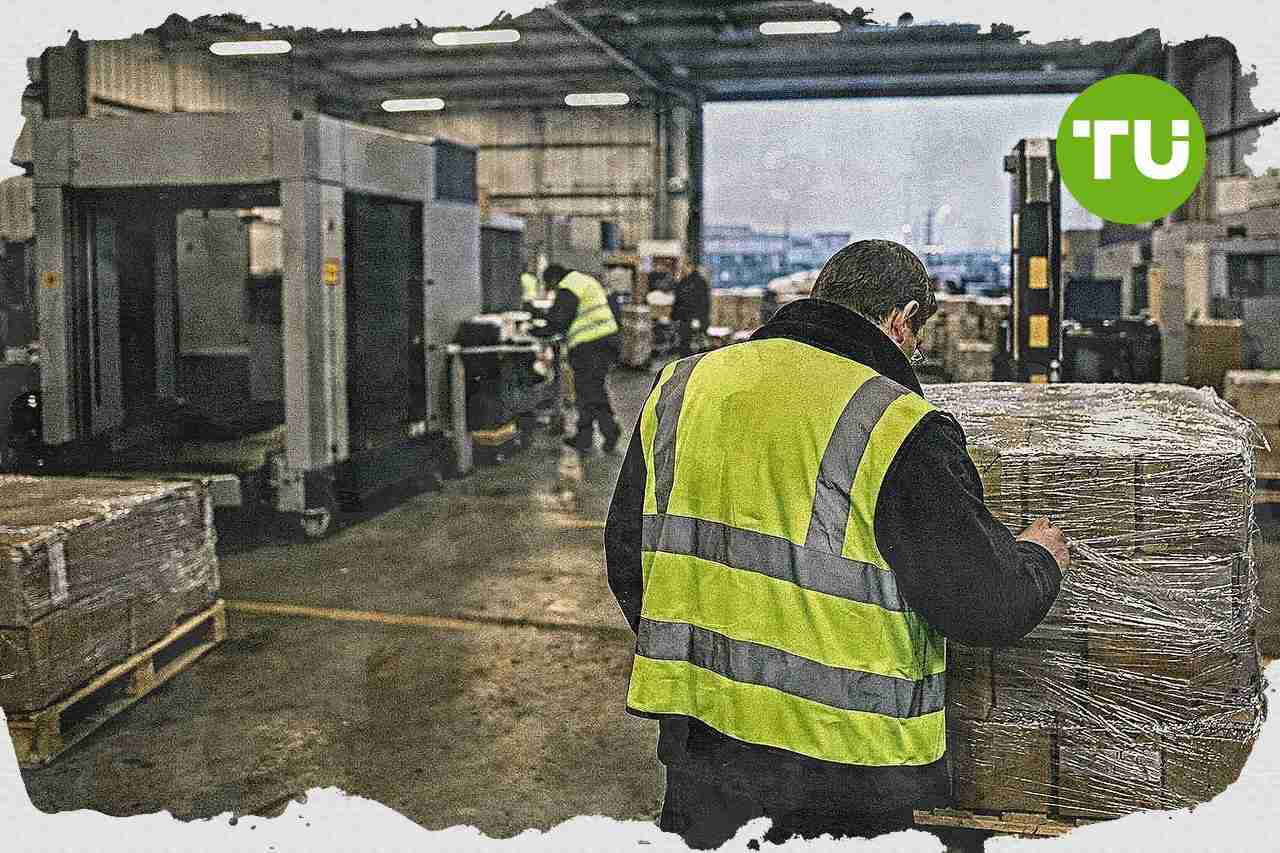
As reported by the Financial Times, businesses tied to customs processing, post-Brexit regulation and cross-border logistics are among the clearest beneficiaries of the UK's exit from the EU. The shift out of the single market in 2021 created a heavy administrative burden for goods moving between the UK and the bloc, opening up demand for customs specialists and related advisory services.The Chartered Institute of Export & International Trade says it has trained 10,000 new customs agents since 2020. Its director-general, Marco Forgione, says the sector has seen strong growth both inside companies and among independent consultants, alongside consolidation as larger groups acquire smaller operators.
The UK could still ease some of that burden if it reaches an agreement with the EU later this summer to remove border checks on plant and animal products. Even so, customs agents are likely to remain busy unless the UK rejoins the customs union, while the civil service has also expanded sharply, adding nearly 95,000 jobs in the six years after Brexit, according to the Institute for Government, as ministers build capacity for trade and negotiation work.
Brexit has also given the UK more flexibility in areas such as novel foods and AI. Industry figures say the Food Standards Agency's regulatory sandbox helps attract investment, and the Good Food Institute Europe says the UK is the biggest destination in Europe for public investment in alternative protein research between 2020 and 2024, with 127 million euros.
Executives at companies including Hoxton Farms and Roslin Technologies say the UK's approvals system for novel foods is now more agile than before, even though core EU-derived rules remain in place. In AI, Meta and Apple have launched some features sooner in the UK than in Europe, though investors and founders say tighter access to European talent still outweighs some of the regulatory advantage.
The southern Netherlands has also benefited as British and international companies shift inventory closer to EU customers. The NFIA/Invest in Holland network says it supported 66 companies between 2017 and 2024 that chose to establish or expand Dutch logistics operations because of Brexit, creating more than 2,100 jobs in the three years after the investment decision.
Fenex secretary-general Jochem Sprenger says logistics activity has grown 10-15 per cent cumulatively since Brexit, helped not only by UK groups but also by Japanese businesses that previously used Britain as an EU distribution hub. Still, rising competition for labor and fresh customs costs on small parcels have also created pressures for companies operating in the Netherlands.
Labor shifts and Northern Ireland's dual-market edge
Brexit supporters argued that leaving the EU would let the UK tighten migration control, but one result has been a marked rise in non-EU recruitment, especially in health and social care. After the Covid-19 pandemic, the NHS stepped up hiring and increasingly turned to workers from countries including India, Nigeria, Egypt, Pakistan and the Philippines as fewer EU medical professionals came to Britain.Nuffield Trust policy analyst Mark Dayan says the change reflects both rapid NHS expansion and immigration rule changes that put non-EU applicants on the same footing as EU workers after Brexit. He says the NHS previously received about 10,000 nurses a year from the EU, whereas there are now more doctors, nurses and health visitors in England from India than from the EU.
Adult social care also saw a sharp increase in non-EU hiring. Skills for Care data show foreign recruits rose from 15,000 in 2020/21 to 75,000 the following year and then 105,000 in 2023/24, although inflows fall sharply from 2025 after new visa restrictions make it harder to recruit overseas staff for low-paid roles.
Northern Ireland stands out as a regional beneficiary despite the political disruption Brexit causes, including a two-year suspension of the Stormont power-sharing executive. Under the Windsor framework, the region retains access to both the EU and UK goods markets, giving local companies a dual-market position unavailable elsewhere in the UK or EU.
Businesses such as medical diagnostics group Almac promote that seamless access to customers, and some economic analysis suggests Northern Ireland performs better than other UK regions after Brexit. A 2024 study finds other parts of the UK experience a substantial decline in real GDP relative to a counterfactual, while co-author Thiemo Fetzer of Warwick University says Northern Ireland's nominal household income growth is about 3 per cent higher than it would otherwise have been.
That advantage remains complicated in practice. Manufacturing NI chief executive Stephen Kelly says the region still faces ongoing challenges, including new EU steel tariffs, leaving traders and policymakers to manage a system that continues to evolve.
In our earlier coverage of Jean-Claude Juncker’s comments on the UK potentially rejoining the EU, we explained why he believes an application would face strong resistance from member states still affected by Britain’s departure. The article also noted that the UK would not be able to restore past opt-outs such as the euro and Schengen exemptions or its budget rebate, underscoring how Brexit continues to shape the UK–EU relationship.




Latest UK News






-
 Afghanistan
-
 Albania
-
 Algeria
-
 Angola
-
 Argentina
-
 Armenia
-
 Australia
-
 Austria
-
 Azerbaijan
-
 Bahamas
-
 Bahrain
-
 Bangladesh
-
 Belarus
-
 Belgium
-
 Bolivia
-
 Botswana
-
 Brazil
-
 Brunei
-
 Bulgaria
-
 Cambodia
-
 Cameroon
-
 Canada
-
 Chile
Chile
-
 China
China
-
 Colombia
-
 Congo
Congo
-
 Costa Rica
-
 Cote d'Ivoire
-
 Croatia
-
 Cuba
Cuba
-
 Cyprus
-
 Czechia
-
 DR Congo
-
 Denmark
-
 Dominican Republic
-
 Ecuador
-
 Egypt
Egypt
-
 El Salvador
-
 Estonia
-
 Eswatini
-
 Ethiopia
-
 Finland
-
 France
-
 Georgia
-
 Germany
-
 Ghana
Ghana
-
 Greece
-
 Haiti
Haiti
-
 Hong Kong
-
 Hungary
-
 India
India
-
 Indonesia
-
 Iran, Islamic republic
-
 Iraq
Iraq
-
 Ireland
-
 Israel
-
 Italy
Italy
-
 Jamaica
-
 Japan
Japan
-
 Jordan
-
 Kazakhstan
-
 Kenya
Kenya
-
 Korea
Korea
-
 Kuwait
-
 Kyrgyzstan
-
 Laos
Laos
-
 Latvia
-
 Lebanon
-
 Lesotho
-
 Libya
Libya
-
 Lithuania
-
 Luxembourg
-
 Madagascar
-
 Malaysia
-
 Malta
Malta
-
 Mauritius
-
 Mexico
-
 Moldova
-
 Mongolia
-
 Montenegro
-
 Morocco
-
 Mozambique
-
 Myanmar
-
 Namibia
-
 Nepal
Nepal
-
 Netherlands
-
 New Zealand
-
 Nigeria
-
 North Macedonia
-
 Norway
-
 Oman
Oman
-
 Pakistan
-
 Palestine
-
 Panama
-
 Papua New Guinea
-
 Paraguay
-
 Peru
Peru
-
 Philippines
-
 Poland
-
 Portugal
-
 Puerto Rico
-
 Qatar
Qatar
-
 Reunion
-
 Romania
-
 Rwanda
-
 Saudi Arabia
-
 Serbia
-
 Singapore
-
 Slovakia
-
 Slovenia
-
 Somalia
-
 South Africa
-
 Spain
Spain
-
 Sri Lanka
-
 Sweden
-
 Switzerland
-
 Syria
Syria
-
 Taiwan
-
 Tajikistan
-
 Tanzania
-
 Thailand
-
 Trinidad and Tobago
-
 Tunisia
-
 Turkey
-
 UAE
UAE
-
 Uganda
-
 Ukraine
-
 United Kingdom
-
United States
-
 Uruguay
-
 Uzbekistan
-
 Venezuela
-
 Vietnam
-
 Yemen
Yemen
-
 Zambia
-
 Zimbabwe
- Forex
- Crypto