
Whirlpool tariff strategy highlights cost risks for U.S. appliance makers
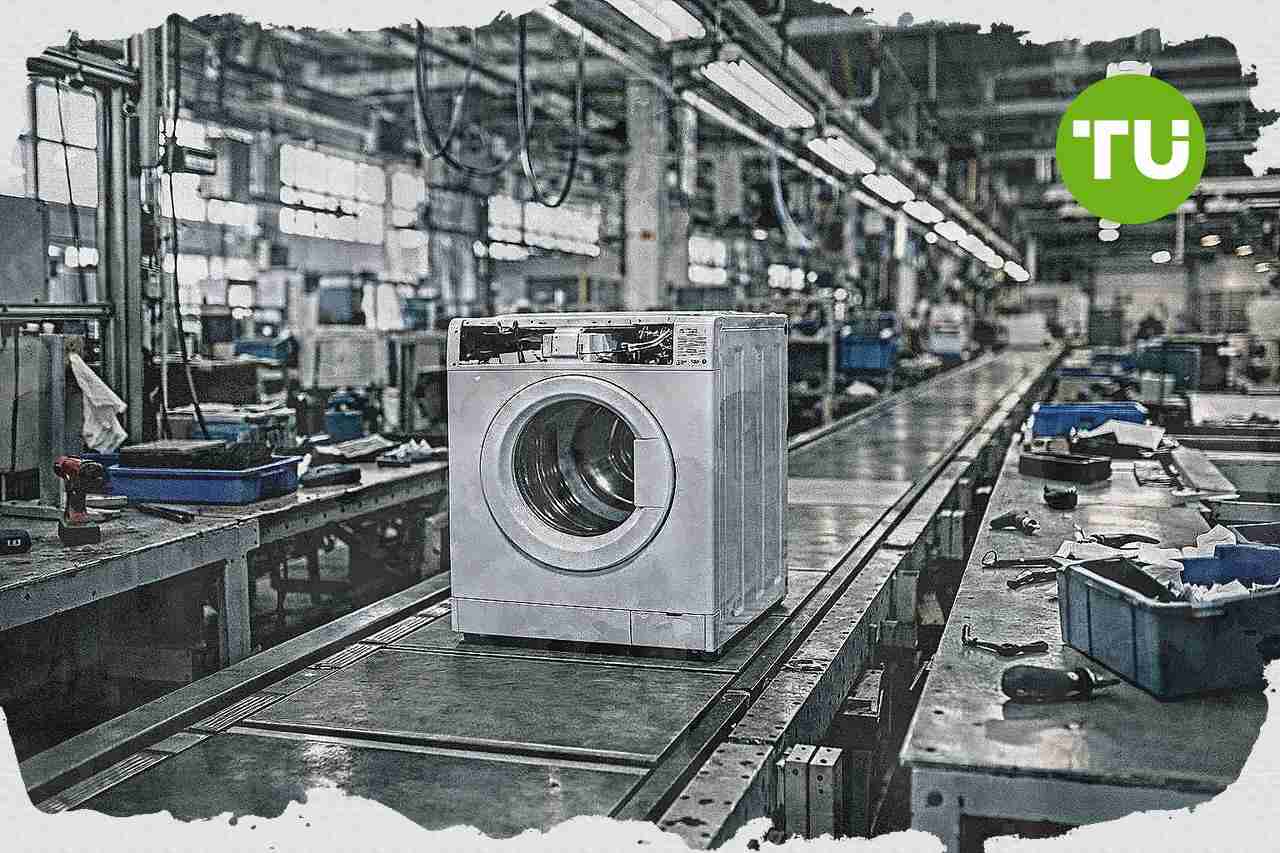
Whirlpool Corp. has long tied its brand to domestic manufacturing as it pushes for protection from foreign rivals. Recent developments show that tariffs can also hurt companies that publicly champion them, underscoring broader risks for the U.S. appliance sector.
Highlights
- Whirlpool, long a vocal supporter of U.S. tariffs on foreign appliance makers, now faces unintended financial and operational consequences from these protections.
- Recent developments show that tariffs intended to shield domestic manufacturers like Whirlpool can impose significant cost pressures rather than guaranteeing market advantages.
- Whirlpool's tariff experience highlights a broader risk for U.S. manufacturers: protectionist policies can add burdens even for companies advocating import restrictions.
Tariff stance and recent reversal
As reported by Bloomberg Opinion, Whirlpool has for decades presented itself as "America’s Home Appliance Company" while arguing for government trade protection against overseas competitors.The company’s messaging, including the slogan "Started in America. Stayed in America.", has made it a prominent corporate supporter of tariffs in both policy and business circles. The latest events, however, indicate that the consequences of those trade barriers are not unfolding in the way their backers would likely prefer.
Wider implications for manufacturers
That dynamic points to a broader business risk for U.S. manufacturers that support import restrictions as a way to shield domestic operations. Even when tariffs are designed to limit foreign competition, they can create unintended pressures for the same companies that advocate them.For the appliance industry, Whirlpool’s position illustrates how protectionist policies can become a financial and operational burden rather than a straightforward competitive advantage.
In our earlier article on the Make More in America Act, we covered Senate Democrats’ push to rebuild U.S. manufacturing capacity by expanding the Export-Import Bank’s role in financing private-sector investment. The proposal targets strategic industries and is framed as a response to supply-chain shocks and rising costs, with the goal of reducing reliance on China-linked inputs and supporting U.S. jobs.


Latest Tariffs News




-
 Afghanistan
-
 Albania
-
 Algeria
-
 Angola
-
 Argentina
-
 Armenia
-
 Australia
-
 Austria
-
 Azerbaijan
-
 Bahamas
-
 Bahrain
-
 Bangladesh
-
 Belarus
-
 Belgium
-
 Bolivia
-
 Botswana
-
 Brazil
-
 Brunei
-
 Bulgaria
-
 Cambodia
-
 Cameroon
-
 Canada
-
 Chile
Chile
-
 China
China
-
 Colombia
-
 Congo
Congo
-
 Costa Rica
-
 Cote d'Ivoire
-
 Croatia
-
 Cuba
Cuba
-
 Cyprus
-
 Czechia
-
 DR Congo
-
 Denmark
-
 Dominican Republic
-
 Ecuador
-
 Egypt
Egypt
-
 El Salvador
-
 Estonia
-
 Eswatini
-
 Ethiopia
-
 Finland
-
 France
-
 Georgia
-
 Germany
-
 Ghana
Ghana
-
 Greece
-
 Haiti
Haiti
-
 Hong Kong
-
 Hungary
-
 India
India
-
 Indonesia
-
 Iran, Islamic republic
-
 Iraq
Iraq
-
 Ireland
-
 Israel
-
 Italy
Italy
-
 Jamaica
-
 Japan
Japan
-
 Jordan
-
 Kazakhstan
-
 Kenya
Kenya
-
 Korea
Korea
-
 Kuwait
-
 Kyrgyzstan
-
 Laos
Laos
-
 Latvia
-
 Lebanon
-
 Lesotho
-
 Libya
Libya
-
 Lithuania
-
 Luxembourg
-
 Madagascar
-
 Malaysia
-
 Malta
Malta
-
 Mauritius
-
 Mexico
-
 Moldova
-
 Mongolia
-
 Montenegro
-
 Morocco
-
 Mozambique
-
 Myanmar
-
 Namibia
-
 Nepal
Nepal
-
 Netherlands
-
 New Zealand
-
 Nigeria
-
 North Macedonia
-
 Norway
-
 Oman
Oman
-
 Pakistan
-
 Palestine
-
 Panama
-
 Papua New Guinea
-
 Paraguay
-
 Peru
Peru
-
 Philippines
-
 Poland
-
 Portugal
-
 Puerto Rico
-
 Qatar
Qatar
-
 Reunion
-
 Romania
-
 Rwanda
-
 Saudi Arabia
-
 Serbia
-
 Singapore
-
 Slovakia
-
 Slovenia
-
 Somalia
-
 South Africa
-
 Spain
Spain
-
 Sri Lanka
-
 Sweden
-
 Switzerland
-
 Syria
Syria
-
 Taiwan
-
 Tajikistan
-
 Tanzania
-
 Thailand
-
 Trinidad and Tobago
-
 Tunisia
-
 Turkey
-
 UAE
UAE
-
 Uganda
-
 Ukraine
-
 United Kingdom
-
United States
-
 Uruguay
-
 Uzbekistan
-
 Venezuela
-
 Vietnam
-
 Yemen
Yemen
-
 Zambia
-
 Zimbabwe
- Forex
- Crypto











