
U.S. senators introduce Arctic security bill to block China, Russia-linked vessel research
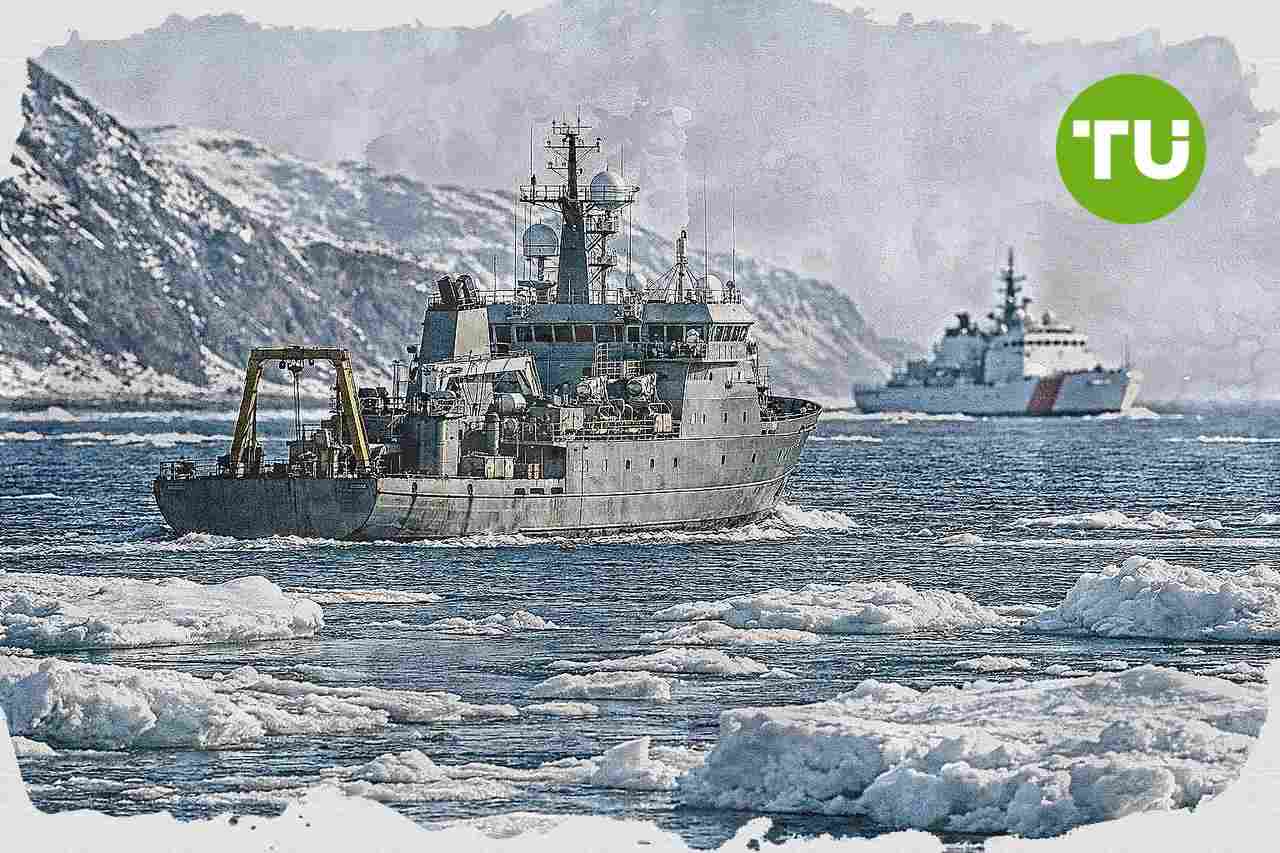
Heightened competition in the Arctic is driving a new bipartisan push in Washington to tighten controls on foreign maritime activity in American waters. The proposed measure targets vessels tied to adversarial nations including China and Russia, and would expand U.S. oversight of research activity in the Arctic Exclusive Economic Zone and continental shelf.
Highlights
- U.S. Senators Jeanne Shaheen and Mike Lee introduced the Arctic Security and Diplomacy Act to require State Department approval for foreign vessels conducting research in U.S. Arctic waters.
- The bill permanently bans vessels linked to China and Russia from receiving research consent and mandates an interagency strategy to counter espionage and influence operations in the Arctic.
- Lawmakers cite Russia's control of 53% of Arctic coastline and a Pentagon report forecasting unprecedented Chinese vessel activity near U.S. Arctic waters by 2025 as key drivers for this legislation.
Bill targets Arctic research access
As reported by U.S. Senate Committee on Foreign Relations, U.S. Senators Jeanne Shaheen and Mike Lee introduced the Arctic Security and Diplomacy Act on Monday to prevent foreign vessels linked to adversarial states from conducting research and potential espionage operations in American waters. The bill would require foreign vessels to obtain approval from the U.S. Department of State before carrying out maritime research in the U.S. Exclusive Economic Zone and on the continental shelf.The legislation goes further by disqualifying vessels from, or reasonably suspected of being associated with, adversarial nations such as China and Russia from receiving that consent at all. It also requires the secretary of state to develop a strategy with relevant agencies and intelligence officials to identify and counter espionage and influence operations in the Arctic, and to submit a report to Congress on those activities.
Federal agencies would also have to share relevant maritime research information with the State Department unless prohibited by law. Lawmakers say the proposal builds on a proclamation by President Trump that already requires foreign vessels to request authorization before conducting research in these waters.
Rising Arctic rivalry shapes U.S. response
Supporters of the measure present it as a response to expanding Russian and Chinese activity across the Arctic. Shaheen says a recent bipartisan congressional delegation to Canada, Greenland, Norway and Iceland underscored how both countries are deepening their presence and coordination in the region.The bill's backers point to Russia's control of about 53% of the Arctic coastline and its expanded military infrastructure there, while also citing a Pentagon report of an unprecedented number of Chinese military and research vessels operating in or near U.S. Arctic waters in 2025. They argue that collaboration between Moscow and Beijing, including plans for a "polar silk road" focused on shipping and resource extraction, increases the need for a more structured U.S. defense and diplomatic posture in the far north.
Lee says the legislation is designed to stop what he describes as growing Chinese incursions into U.S. waters under the cover of surveys and research. The broader aim is to strengthen protection for U.S. waters, critical infrastructure and national security interests from the Aleutians to the Beaufort Sea.
Our earlier report on General Motors’ partnership with Lockheed Martin covered how the automaker’s GM Defense unit is working to scale U.S. munitions-related manufacturing as Washington seeks to strengthen the defense industrial base. The piece highlighted the role of major industrial players in boosting production capacity, supply-chain resilience and delivery speed amid heightened security demands and strained stockpiles.





Latest Legislation News










-
 Afghanistan
-
 Albania
-
 Algeria
-
 Angola
-
 Argentina
-
 Armenia
-
 Australia
-
 Austria
-
 Azerbaijan
-
 Bahamas
-
 Bahrain
-
 Bangladesh
-
 Belarus
-
 Belgium
-
 Bolivia
-
 Botswana
-
 Brazil
-
 Brunei
-
 Bulgaria
-
 Cambodia
-
 Cameroon
-
 Canada
-
 Chile
Chile
-
 China
China
-
 Colombia
-
 Congo
Congo
-
 Costa Rica
-
 Cote d'Ivoire
-
 Croatia
-
 Cuba
Cuba
-
 Cyprus
-
 Czechia
-
 DR Congo
-
 Denmark
-
 Dominican Republic
-
 Ecuador
-
 Egypt
Egypt
-
 El Salvador
-
 Estonia
-
 Eswatini
-
 Ethiopia
-
 Finland
-
 France
-
 Georgia
-
 Germany
-
 Ghana
Ghana
-
 Greece
-
 Haiti
Haiti
-
 Hong Kong
-
 Hungary
-
 India
India
-
 Indonesia
-
 Iran, Islamic republic
-
 Iraq
Iraq
-
 Ireland
-
 Israel
-
 Italy
Italy
-
 Jamaica
-
 Japan
Japan
-
 Jordan
-
 Kazakhstan
-
 Kenya
Kenya
-
 Korea
Korea
-
 Kuwait
-
 Kyrgyzstan
-
 Laos
Laos
-
 Latvia
-
 Lebanon
-
 Lesotho
-
 Libya
Libya
-
 Lithuania
-
 Luxembourg
-
 Madagascar
-
 Malaysia
-
 Malta
Malta
-
 Mauritius
-
 Mexico
-
 Moldova
-
 Mongolia
-
 Montenegro
-
 Morocco
-
 Mozambique
-
 Myanmar
-
 Namibia
-
 Nepal
Nepal
-
 Netherlands
-
 New Zealand
-
 Nigeria
-
 North Macedonia
-
 Norway
-
 Oman
Oman
-
 Pakistan
-
 Palestine
-
 Panama
-
 Papua New Guinea
-
 Paraguay
-
 Peru
Peru
-
 Philippines
-
 Poland
-
 Portugal
-
 Puerto Rico
-
 Qatar
Qatar
-
 Reunion
-
 Romania
-
 Rwanda
-
 Saudi Arabia
-
 Serbia
-
 Singapore
-
 Slovakia
-
 Slovenia
-
 Somalia
-
 South Africa
-
 Spain
Spain
-
 Sri Lanka
-
 Sweden
-
 Switzerland
-
 Syria
Syria
-
 Taiwan
-
 Tajikistan
-
 Tanzania
-
 Thailand
-
 Trinidad and Tobago
-
 Tunisia
-
 Turkey
-
 UAE
UAE
-
 Uganda
-
 Ukraine
-
 United Kingdom
-
United States
-
 Uruguay
-
 Uzbekistan
-
 Venezuela
-
 Vietnam
-
 Yemen
Yemen
-
 Zambia
-
 Zimbabwe
- Forex
- Crypto












