U.S. Senate small business panel hearing sharpens criticism of Trump agenda

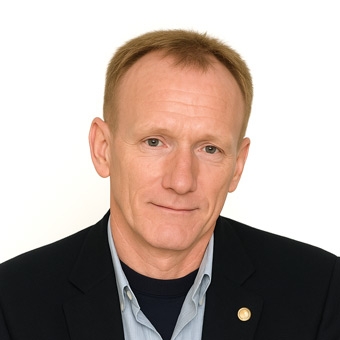
A U.S. Senate small business hearing is becoming a fresh platform for criticism of the Trump administration’s economic policies and their effect on smaller firms. Senator Edward J. Markey says those policies are favoring large corporations and major donors while contractors, immigrant entrepreneurs and working families face rising pressure.
Highlights
- Ranking Member Edward J. Markey claims small business contractors have lost $47 billion in federal contracts since Trump took office in 2025, with over 6,500 exiting the federal marketplace.
- Markey argues the administration's policies—tariffs, health care cuts, contractor dismissals—are intensifying affordability pressures on small businesses and households.
- Senators Markey and Wyden request tariff refunds for small businesses, call for FTC oil and gas pricing probe, and propose legislation reversing lending restrictions for legal permanent resident-owned firms.
Committee hearing centers on contracting and policy criticism
As outlined in a press release from the U.S. Committee on Small Business & Entrepreneurship, Ranking Member Edward J. Markey criticizes what he describes as self-dealing and corporate favoritism at the hearing titled “250 Years of Main Street: Retail to Research.” He says the administration is rewarding billionaire executives, large businesses and mega-donors while small businesses struggle with affordability pressures.Markey also points to federal contracting as a key area of concern. He says a report released last week shows that, since Trump took office in 2025, small business contractors have been shortchanged $47 billion in federal contracts and more than 6,500 small contractors have been pushed out of the federal marketplace.
In remarks highlighted in the release, Markey says the country’s prosperity depends on small businesses, workers, communities of color and immigrants. He argues that corporate cronyism and self-dealing are shifting priority away from Main Street and toward Wall Street interests.
Broader impact on small businesses and immigrant entrepreneurs
Markey links the pressure on small firms to a wider set of administration policies, including tariff costs, health care cuts and actions affecting small business contractors. He presents those measures as part of a broader economic agenda that is increasing strain on businesses and households.The hearing also focuses on the role of immigrant entrepreneurs in the innovation economy. Markey emphasizes continued support for immigrant business owners, framing them as an important part of small business formation and long-term U.S. economic growth.
The release also points to related actions Markey has recently taken, including a letter with Senator Ron Wyden seeking payment of tariff refunds to small businesses, a request for a Federal Trade Commission investigation into oil and gas pricing, and legislation aimed at reversing lending restrictions affecting businesses with legal permanent residents.
Our earlier coverage of Senate Banking Committee hearings focused on lawmakers weighing strategies to support U.S. economic recovery as households and businesses faced persistent price pressures. The discussions highlighted small business support and improved access to capital as priorities, alongside concerns that inflation was eroding consumer purchasing power and straining budgets.





Latest USA News









-
 Afghanistan
-
 Albania
-
 Algeria
-
 Angola
-
 Argentina
-
 Armenia
-
 Australia
-
 Austria
-
 Azerbaijan
-
 Bahamas
-
 Bahrain
-
 Bangladesh
-
 Belarus
-
 Belgium
-
 Bolivia
-
 Botswana
-
 Brazil
-
 Brunei
-
 Bulgaria
-
 Cambodia
-
 Cameroon
-
 Canada
-
 Chile
Chile
-
 China
China
-
 Colombia
-
 Congo
Congo
-
 Costa Rica
-
 Cote d'Ivoire
-
 Croatia
-
 Cuba
Cuba
-
 Cyprus
-
 Czechia
-
 DR Congo
-
 Denmark
-
 Dominican Republic
-
 Ecuador
-
 Egypt
Egypt
-
 El Salvador
-
 Estonia
-
 Eswatini
-
 Ethiopia
-
 Finland
-
 France
-
 Georgia
-
 Germany
-
 Ghana
Ghana
-
 Greece
-
 Haiti
Haiti
-
 Hong Kong
-
 Hungary
-
 India
India
-
 Indonesia
-
 Iran, Islamic republic
-
 Iraq
Iraq
-
 Ireland
-
 Israel
-
 Italy
Italy
-
 Jamaica
-
 Japan
Japan
-
 Jordan
-
 Kazakhstan
-
 Kenya
Kenya
-
 Korea
Korea
-
 Kuwait
-
 Kyrgyzstan
-
 Laos
Laos
-
 Latvia
-
 Lebanon
-
 Lesotho
-
 Libya
Libya
-
 Lithuania
-
 Luxembourg
-
 Madagascar
-
 Malaysia
-
 Malta
Malta
-
 Mauritius
-
 Mexico
-
 Moldova
-
 Mongolia
-
 Montenegro
-
 Morocco
-
 Mozambique
-
 Myanmar
-
 Namibia
-
 Nepal
Nepal
-
 Netherlands
-
 New Zealand
-
 Nigeria
-
 North Macedonia
-
 Norway
-
 Oman
Oman
-
 Pakistan
-
 Palestine
-
 Panama
-
 Papua New Guinea
-
 Paraguay
-
 Peru
Peru
-
 Philippines
-
 Poland
-
 Portugal
-
 Puerto Rico
-
 Qatar
Qatar
-
 Reunion
-
 Romania
-
 Rwanda
-
 Saudi Arabia
-
 Serbia
-
 Singapore
-
 Slovakia
-
 Slovenia
-
 Somalia
-
 South Africa
-
 Spain
Spain
-
 Sri Lanka
-
 Sweden
-
 Switzerland
-
 Syria
Syria
-
 Taiwan
-
 Tajikistan
-
 Tanzania
-
 Thailand
-
 Trinidad and Tobago
-
 Tunisia
-
 Turkey
-
 UAE
UAE
-
 Uganda
-
 Ukraine
-
 United Kingdom
-
United States
-
 Uruguay
-
 Uzbekistan
-
 Venezuela
-
 Vietnam
-
 Yemen
Yemen
-
 Zambia
-
 Zimbabwe
- Forex
- Crypto












