
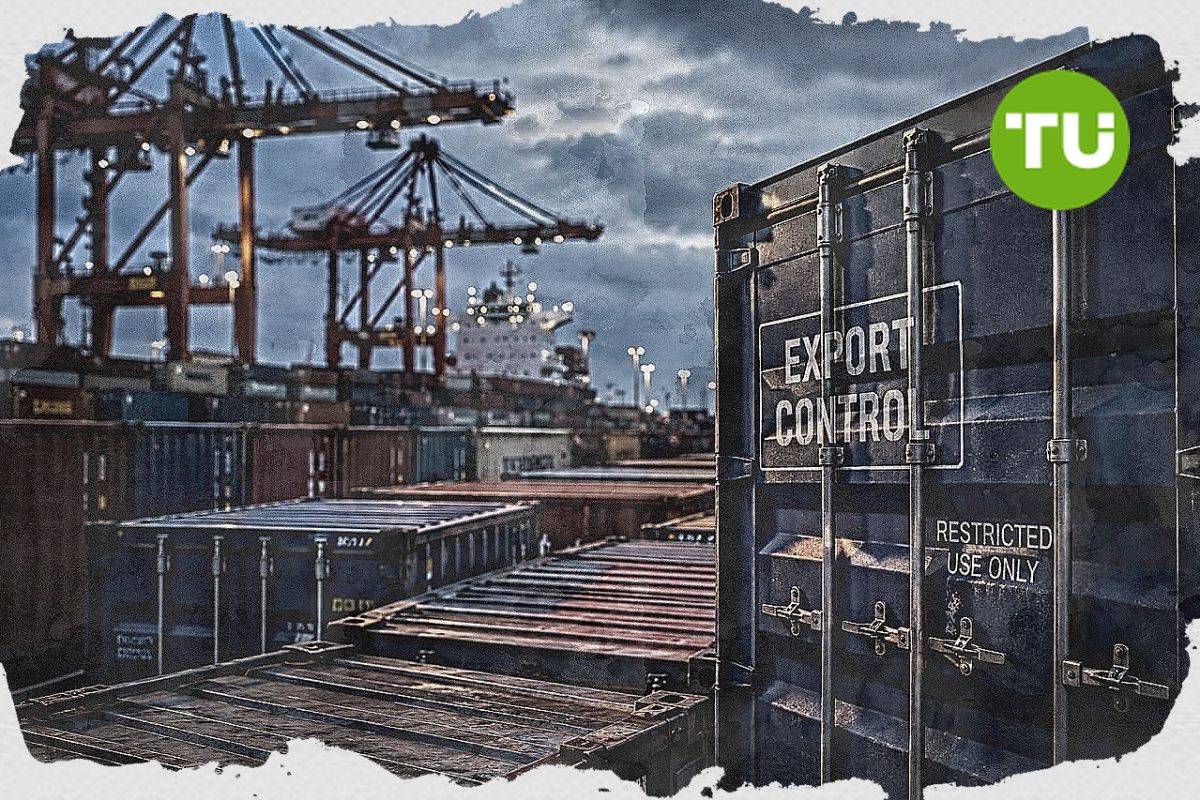
China placed new trade restrictions on dozens of American companies on Monday, answering Washington’s latest move to widen a Pentagon blacklist of Chinese firms accused of supporting Beijing’s military. The measures appeared calibrated to show retaliation without derailing the broader attempt by both governments to keep relations from deteriorating further.
Highlights
- China imposed export controls on 10 U.S. firms.
- MP Materials and USA Rare Earth were among the targeted companies.
- Beijing also excluded 46 U.S. firms from government procurement.
- The action followed a Pentagon blacklist update covering Alibaba, Baidu and BYD.
Beijing moves against defense and rare earth firms
According to CNBC, China’s Ministry of Commerce added 10 U.S. companies to its export control list, blocking exports of Chinese-origin dual-use goods to those firms. The list included rare earth companies MP Materials and USA Rare Earth, drone makers Teal Drones and Jaia Robotics, electronics manufacturer Aveox, Ball Aerospace & Technologies, and Oshkosh Defense.
In a separate action, China’s Finance Ministry barred 46 U.S. companies, most of them defense contractors, from participating in government procurement projects. The restrictions also cover related foreign-funded entities registered locally, although China carved out exemptions for some locally incorporated entities tied to the affected firms, limiting disruption inside China.
The rare earth element of the response is notable. MP Materials and USA Rare Earth are part of Washington’s effort to reduce reliance on Chinese-controlled supply chains for critical minerals used in defense systems, electronics and clean-energy technologies. China remains a dominant player in rare earth processing, making export controls one of Beijing’s more visible tools in disputes with Washington.
A response to Washington’s list
The move followed the Pentagon’s June update to its 1260H list of Chinese companies it says are linked to China’s military. The latest roster included major technology and industrial names such as Alibaba, Baidu, and BYD, expanding the scope of U.S. concern from defense suppliers into consumer technology, artificial intelligence, vehicles, and advanced manufacturing.
The U.S. designation does not immediately impose full sanctions, but it carries procurement consequences. Defense Department restrictions on direct contracts with listed companies are set to begin June 30, with indirect procurement limits following later, increasing compliance pressure for contractors and suppliers.
Chinese officials had earlier criticized Washington for using national security claims to create what Beijing called discriminatory lists. Several Chinese companies have previously disputed their inclusion, and Xiaomi successfully challenged a similar designation in U.S. court in 2021.
Controlled retaliation, wider signal
The immediate impact may be limited because many of the targeted U.S. defense companies have little direct business exposure in China. But the measures show how export controls and procurement bans are becoming routine instruments in the U.S.-China technology and security rivalry.
The latest exchange also underlines a shift in the conflict. Both governments are targeting companies not only for what they sell today, but for their role in future strategic industries — rare earths, drones, aerospace, artificial intelligence, vehicles and advanced electronics.
That makes the dispute harder to contain. Even if Beijing’s latest measures are mostly symbolic, they reinforce a pattern in which each side responds to security-based restrictions with its own controls, leaving companies to navigate a more fragmented trade environment.
As previously covered, EU delays tougher China trade action as leaders back dialogue.





Latest USA News







-
 Afghanistan
-
 Albania
-
 Algeria
-
 Angola
-
 Argentina
-
 Armenia
-
 Australia
-
 Austria
-
 Azerbaijan
-
 Bahamas
-
 Bahrain
-
 Bangladesh
-
 Belarus
-
 Belgium
-
 Bolivia
-
 Botswana
-
 Brazil
-
 Brunei
-
 Bulgaria
-
 Cambodia
-
 Cameroon
-
 Canada
-
 Chile
Chile
-
 China
China
-
 Colombia
-
 Congo
Congo
-
 Costa Rica
-
 Cote d'Ivoire
-
 Croatia
-
 Cuba
Cuba
-
 Cyprus
-
 Czechia
-
 DR Congo
-
 Denmark
-
 Dominican Republic
-
 Ecuador
-
 Egypt
Egypt
-
 El Salvador
-
 Estonia
-
 Eswatini
-
 Ethiopia
-
 Finland
-
 France
-
 Georgia
-
 Germany
-
 Ghana
Ghana
-
 Greece
-
 Haiti
Haiti
-
 Hong Kong
-
 Hungary
-
 India
India
-
 Indonesia
-
 Iran, Islamic republic
-
 Iraq
Iraq
-
 Ireland
-
 Israel
-
 Italy
Italy
-
 Jamaica
-
 Japan
Japan
-
 Jordan
-
 Kazakhstan
-
 Kenya
Kenya
-
 Korea
Korea
-
 Kuwait
-
 Kyrgyzstan
-
 Laos
Laos
-
 Latvia
-
 Lebanon
-
 Lesotho
-
 Libya
Libya
-
 Lithuania
-
 Luxembourg
-
 Madagascar
-
 Malaysia
-
 Malta
Malta
-
 Mauritius
-
 Mexico
-
 Moldova
-
 Mongolia
-
 Montenegro
-
 Morocco
-
 Mozambique
-
 Myanmar
-
 Namibia
-
 Nepal
Nepal
-
 Netherlands
-
 New Zealand
-
 Nigeria
-
 North Macedonia
-
 Norway
-
 Oman
Oman
-
 Pakistan
-
 Palestine
-
 Panama
-
 Papua New Guinea
-
 Paraguay
-
 Peru
Peru
-
 Philippines
-
 Poland
-
 Portugal
-
 Puerto Rico
-
 Qatar
Qatar
-
 Reunion
-
 Romania
-
 Rwanda
-
 Saudi Arabia
-
 Serbia
-
 Singapore
-
 Slovakia
-
 Slovenia
-
 Somalia
-
 South Africa
-
 Spain
Spain
-
 Sri Lanka
-
 Sweden
-
 Switzerland
-
 Syria
Syria
-
 Taiwan
-
 Tajikistan
-
 Tanzania
-
 Thailand
-
 Trinidad and Tobago
-
 Tunisia
-
 Turkey
-
 UAE
UAE
-
 Uganda
-
 Ukraine
-
 United Kingdom
-
United States
-
 Uruguay
-
 Uzbekistan
-
 Venezuela
-
 Vietnam
-
 Yemen
Yemen
-
 Zambia
-
 Zimbabwe
- Forex
- Crypto












