
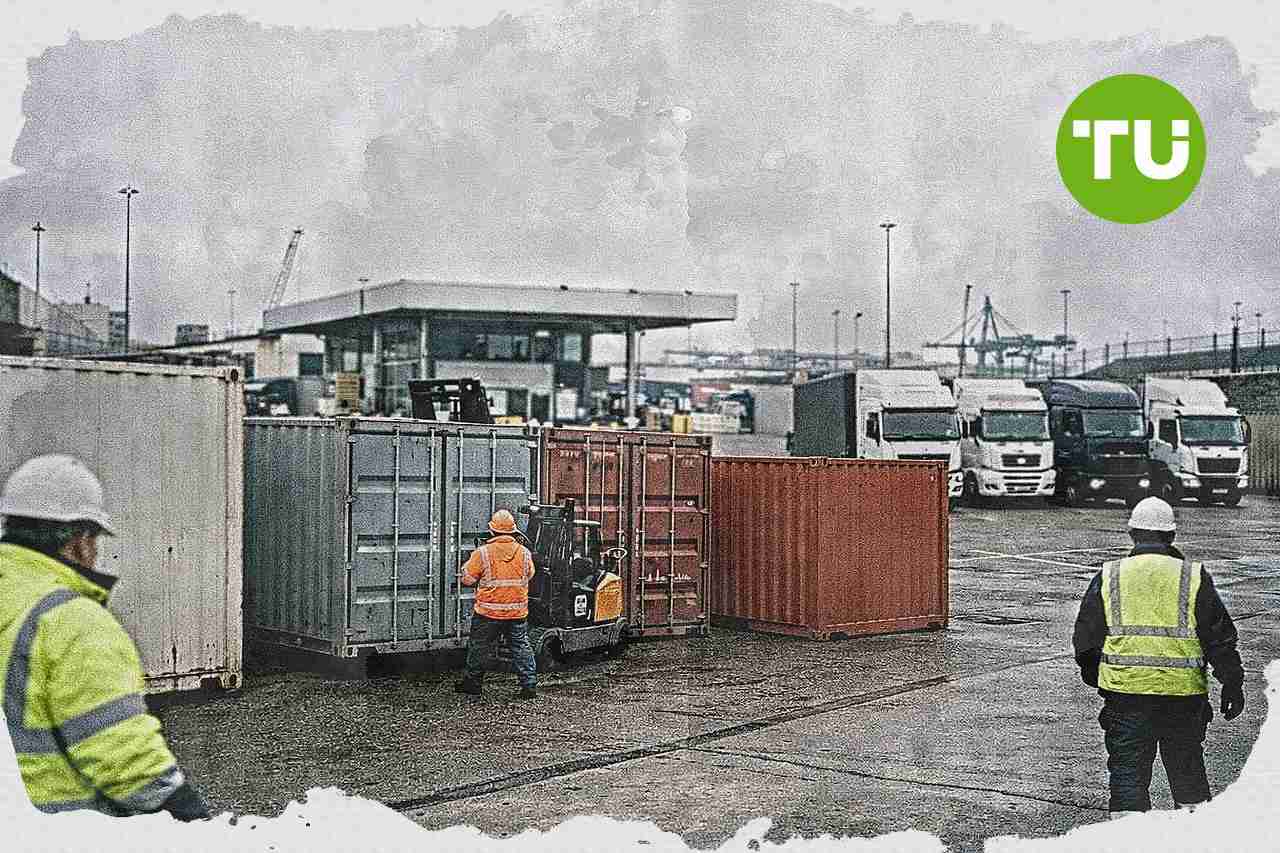
A decade after the 2016 Brexit vote, the UK business community is resisting renewed political calls for closer institutional ties with the EU. Companies acknowledge the costs of leaving the bloc, but they do not want another referendum or a return to a customs union, according to the Confederation of British Industry's chief.
Highlights
- CBI director-general Rain Newton-Smith says UK businesses are not seeking to rejoin the EU customs union, focusing instead on new trade deals.
- Government estimates project the current reset with Europe would lift UK GDP by only 0.3 percent over 15 years, highlighting limited economic upside.
- Newton-Smith warns UK industry risks exclusion from EU value chains due to Brussels' protectionist policies like the Industrial Accelerator Act, urging UK-EU supply chain cooperation.
Business stance on Brexit options
As reported by the Financial Times, CBI director-general Rain Newton-Smith says British businesses do not want to revisit the Brexit referendum and are not seeking to rejoin a customs union with the EU. She says companies accept that Brexit has imposed costs, but argues the debate has moved on as the UK pursues trade agreements with countries including India and Gulf states.Newton-Smith says business leaders are no longer pushing for the customs union option that some might have supported five years ago. Her comments place the UK's largest business lobby group at odds with politicians on the left who are urging a deeper rapprochement with Brussels, including potential future re-entry to the single market or customs union.
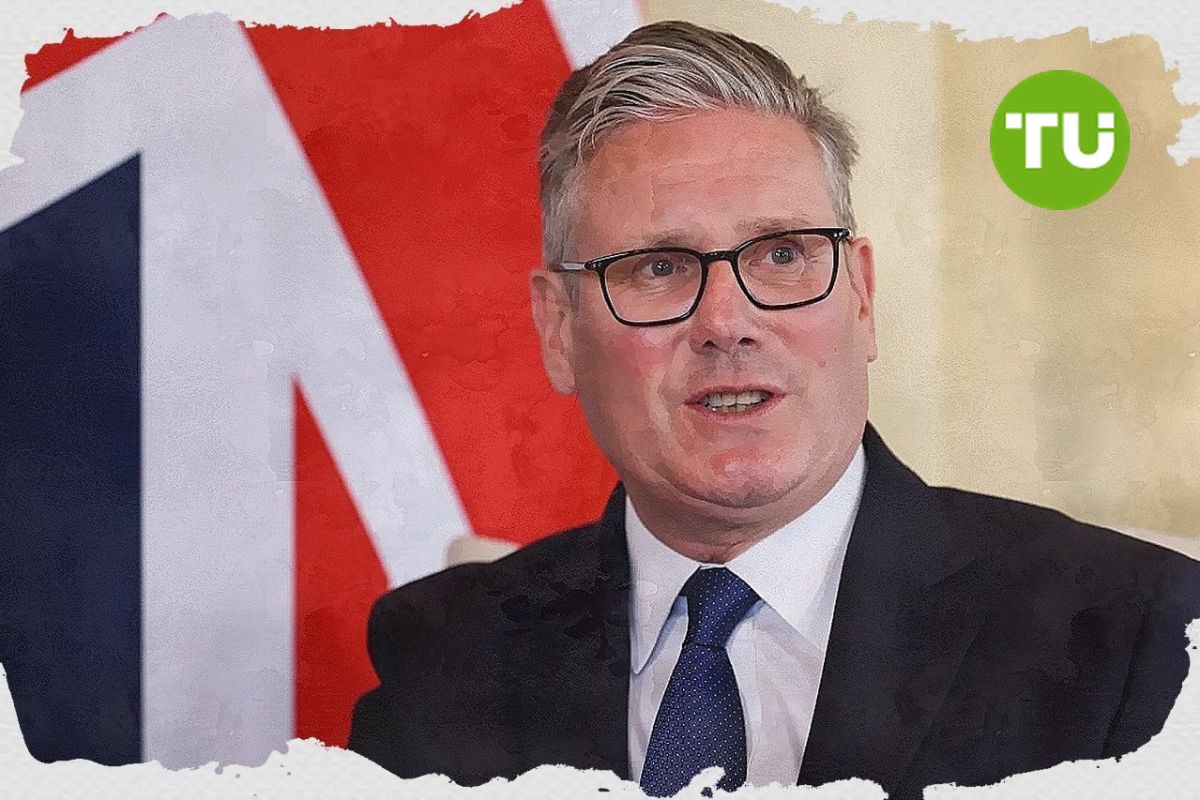
That political debate is intensifying as Andy Burnham signals support for rejoining the EU at a later date, while Liberal Democrat leader Ed Davey calls for a closer relationship with Europe. At the same time, Prime Minister Keir Starmer's stated red lines continue to rule out joining a customs union, returning to the EU single market or accepting free movement of people.
Trade-offs for UK industry and Europe ties
Newton-Smith says closer regulatory alignment with Brussels can help only where it clearly serves the UK's economic interest, warning that alignment is not a universal solution. She says business must be closely consulted on the benefits and trade-offs of any move to readopt EU rules through the single market route.Government estimates say the current reset with Europe would lift UK GDP by 0.3 percent over 15 years, a modest gain compared with the larger economic hit previously associated with Brexit. A summit planned for July 11 to cement the arrangement is postponed after Starmer's resignation on Monday triggers a power transition.
Newton-Smith also warns that the UK risks exclusion from continental value chains as Brussels advances more protectionist industrial policies, including buy-European measures such as the Industrial Accelerator Act. The Department for Business and Trade says ministers are working with EU counterparts to protect UK-EU trade and supply chains and to address concerns around Made in Europe policies.
Our earlier coverage of Keir Starmer’s resignation explained how the UK’s rapid turnover of prime ministers has been driven by post-Brexit political fragmentation and persistent economic strains, keeping markets cautious about the country’s direction. We also noted that Starmer’s departure set up another leadership transition, with Andy Burnham emerging as a leading contender amid ongoing uncertainty about future policy.





Latest Trade Deals News








-
 Afghanistan
-
 Albania
-
 Algeria
-
 Angola
-
 Argentina
-
 Armenia
-
 Australia
-
 Austria
-
 Azerbaijan
-
 Bahamas
-
 Bahrain
-
 Bangladesh
-
 Belarus
-
 Belgium
-
 Bolivia
-
 Botswana
-
 Brazil
-
 Brunei
-
 Bulgaria
-
 Cambodia
-
 Cameroon
-
 Canada
-
 Chile
Chile
-
 China
China
-
 Colombia
-
 Congo
Congo
-
 Costa Rica
-
 Cote d'Ivoire
-
 Croatia
-
 Cuba
Cuba
-
 Cyprus
-
 Czechia
-
 DR Congo
-
 Denmark
-
 Dominican Republic
-
 Ecuador
-
 Egypt
Egypt
-
 El Salvador
-
 Estonia
-
 Eswatini
-
 Ethiopia
-
 Finland
-
 France
-
 Georgia
-
 Germany
-
 Ghana
Ghana
-
 Greece
-
 Haiti
Haiti
-
 Hong Kong
-
 Hungary
-
 India
India
-
 Indonesia
-
 Iran, Islamic republic
-
 Iraq
Iraq
-
 Ireland
-
 Israel
-
 Italy
Italy
-
 Jamaica
-
 Japan
Japan
-
 Jordan
-
 Kazakhstan
-
 Kenya
Kenya
-
 Korea
Korea
-
 Kuwait
-
 Kyrgyzstan
-
 Laos
Laos
-
 Latvia
-
 Lebanon
-
 Lesotho
-
 Libya
Libya
-
 Lithuania
-
 Luxembourg
-
 Madagascar
-
 Malaysia
-
 Malta
Malta
-
 Mauritius
-
 Mexico
-
 Moldova
-
 Mongolia
-
 Montenegro
-
 Morocco
-
 Mozambique
-
 Myanmar
-
 Namibia
-
 Nepal
Nepal
-
 Netherlands
-
 New Zealand
-
 Nigeria
-
 North Macedonia
-
 Norway
-
 Oman
Oman
-
 Pakistan
-
 Palestine
-
 Panama
-
 Papua New Guinea
-
 Paraguay
-
 Peru
Peru
-
 Philippines
-
 Poland
-
 Portugal
-
 Puerto Rico
-
 Qatar
Qatar
-
 Reunion
-
 Romania
-
 Rwanda
-
 Saudi Arabia
-
 Serbia
-
 Singapore
-
 Slovakia
-
 Slovenia
-
 Somalia
-
 South Africa
-
 Spain
Spain
-
 Sri Lanka
-
 Sweden
-
 Switzerland
-
 Syria
Syria
-
 Taiwan
-
 Tajikistan
-
 Tanzania
-
 Thailand
-
 Trinidad and Tobago
-
 Tunisia
-
 Turkey
-
 UAE
UAE
-
 Uganda
-
 Ukraine
-
 United Kingdom
-
United States
-
 Uruguay
-
 Uzbekistan
-
 Venezuela
-
 Vietnam
-
 Yemen
Yemen
-
 Zambia
-
 Zimbabwe
- Forex
- Crypto












