
SpaceX sheds $400 billion in market value after record IPO
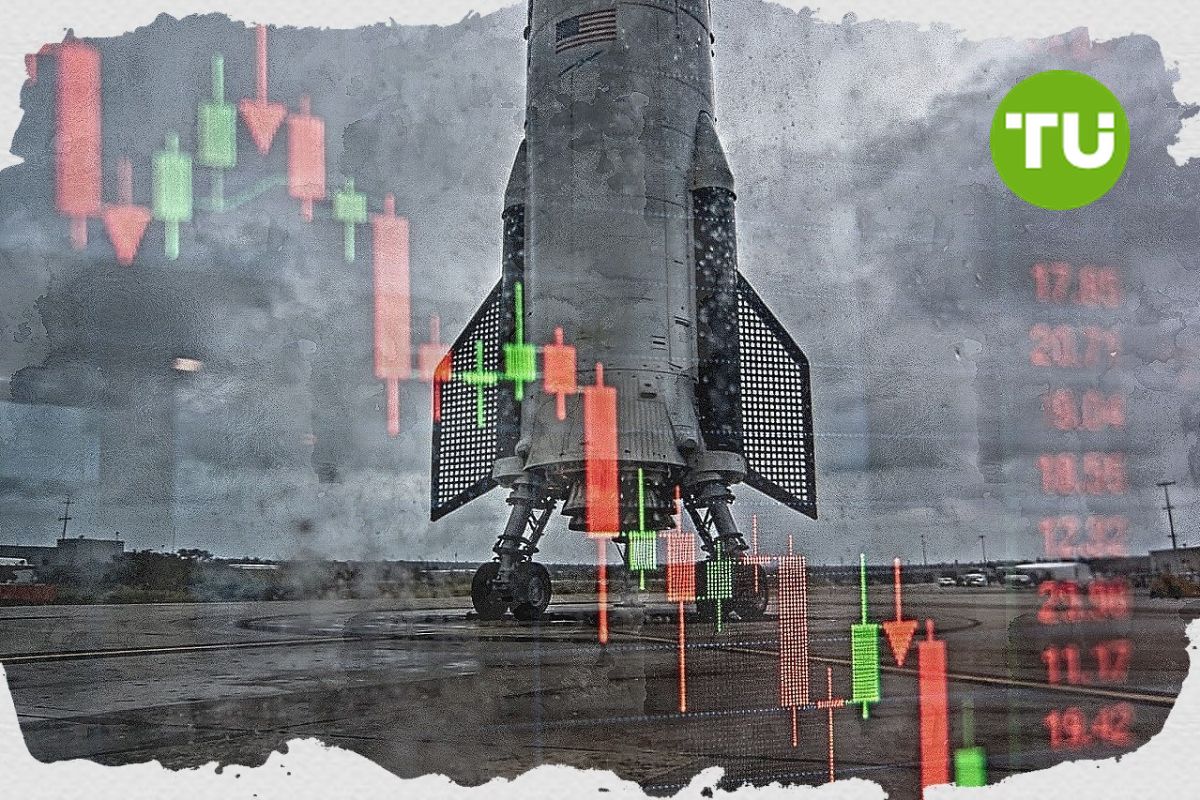
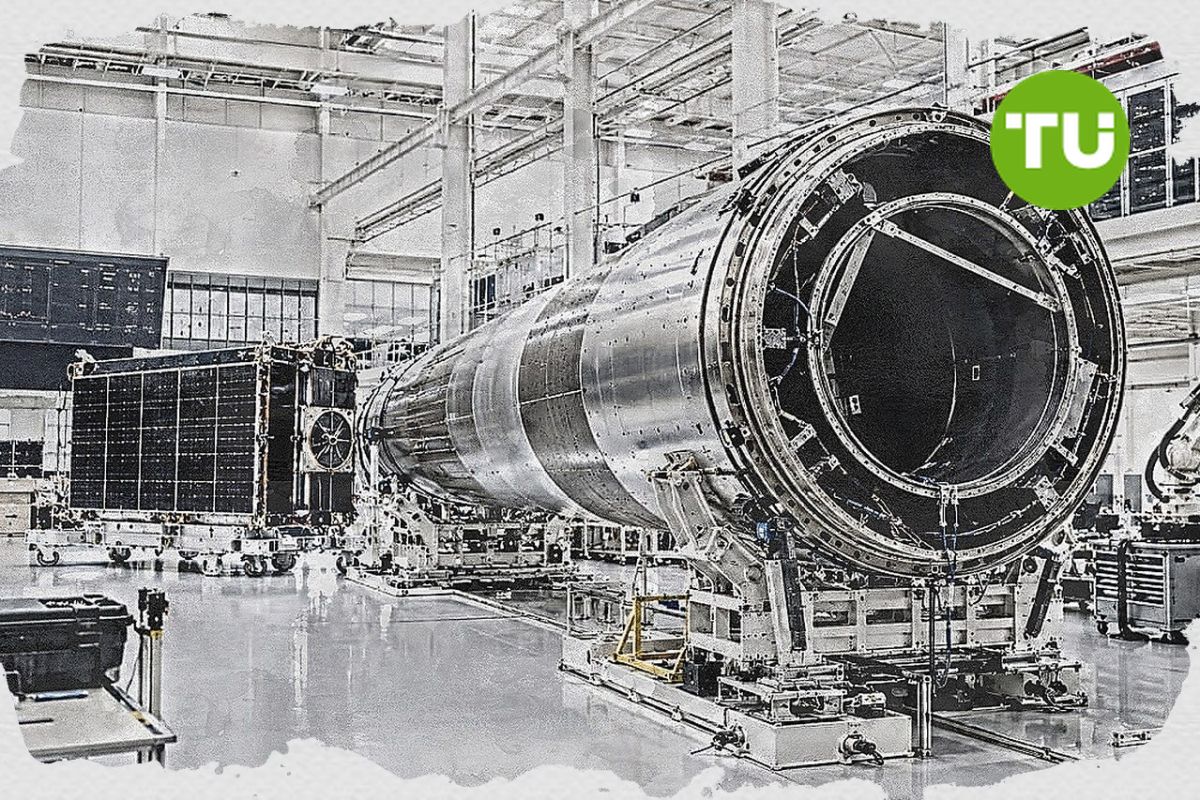
Shares of Elon Musk’s SpaceX suffered another sharp sell-off on Monday. The market value of the rocket and space company fell by $400 billion after a volatile period that followed its record-breaking Wall Street debut.
According to the Financial Times, SpaceX shares ended Monday’s session down 16.4% at $154.60. They are now trading 31.5% below the high reached after the company’s $86 billion IPO on June 11. The shares were listed at $135 apiece.
Why SpaceX shares are falling
The sharp reversal in SpaceX shares came amid a notable rise in U.S. government bond yields. Investors expect the Federal Reserve to raise interest rates in the coming months to curb inflation. Higher yields on ultra-safe Treasuries are especially painful for richly valued tech companies such as SpaceX, which is trading at more than 100 times last year’s revenue.
The $400 billion drop in SpaceX’s market capitalization became the second-largest one-day loss in value ever recorded by any company. SpaceX ended the session with a market value of $2.03 trillion, although on June 16 its valuation had briefly approached $3 trillion during intraday trading.
“Everyone who wanted to buy SpaceX did so in the first few days, and now it looks like that demand has largely been exhausted,” said Mike O’Rourke of Jones Trading.
The broader technology sector also came under pressure on Monday, with the Nasdaq Composite falling 1.3%. Shares of major technology companies, including Google, Amazon and Broadcom, dropped by more than 4%.
Additional factors
Last week, Fed Chair Kevin Warsh pledged to stop the surge in inflation triggered by President Donald Trump’s war with Iran. At the same time, his colleagues at the U.S. central bank released an unexpectedly hawkish set of projections. Nine of the 18 Fed officials who submitted estimates expect rates to rise by the end of this year. As recently as March, none of the participants had forecast a rate increase.
Markets are now pricing in the possibility that the central bank could raise rates as early as September, according to trading in federal funds futures on Monday.
Two-year Treasury yields, which are particularly sensitive to monetary policy expectations, rose by 0.05 percentage points on Monday to 4.23%. This was their highest level in more than a year.
Higher interest rates also increase the cost of raising debt. SpaceX is planning to sell up to $20 billion in bonds as soon as this week to repay a $20 billion bridge loan raised in March. At that time, Musk merged his debt-laden AI startup xAI and social media platform X into the rocket and space company.
SpaceX’s massive valuation is based largely on the assumption that its AI division, which posted a $6.4 billion loss in 2025, is operating in a market with a total addressable size of $26.5 trillion.
On Monday, SpaceX agreed to provide startup Reflection AI with computing capacity at its Colossus 2 data center. This became the latest in a series of deals Musk has struck with companies involved in the AI investment boom.
In May and early June, SpaceX signed similar agreements with Anthropic and Google parent Alphabet. This approach resembles the business model of CoreWeave, which leases computing capacity to technology companies building their own AI models.
Grok, the chatbot developed by xAI, has so far proven less popular than OpenAI’s ChatGPT, Google’s Gemini and Anthropic’s Claude.
Pre-launch hype
Even before SpaceX went public, the offering had generated intense investor demand. Investors were eager to gain access to Musk’s company at the IPO stage, hoping to take part in one of the year’s most high-profile market debuts. In effect, a queue of funds and major buyers formed around SpaceX, all ready to invest in a company combining the space business, data infrastructure and AI.
However, there were not enough shares for everyone. Because of the limited size of the offering, some investors received smaller allocations than they had expected, while others were left out of the deal entirely. This shortage of supply helped fuel the sharp rise in the stock during the first days of trading: the demand that had built up before the IPO spilled into the market after the listing and quickly pushed SpaceX’s valuation close to $3 trillion.
As a reminder, SpaceX had expected a target IPO valuation of $1.8 trillion.





Latest SpaceX News


-
 Afghanistan
-
 Albania
-
 Algeria
-
 Angola
-
 Argentina
-
 Armenia
-
 Australia
-
 Austria
-
 Azerbaijan
-
 Bahamas
-
 Bahrain
-
 Bangladesh
-
 Belarus
-
 Belgium
-
 Bolivia
-
 Botswana
-
 Brazil
-
 Brunei
-
 Bulgaria
-
 Cambodia
-
 Cameroon
-
 Canada
-
 Chile
Chile
-
 China
China
-
 Colombia
-
 Congo
Congo
-
 Costa Rica
-
 Cote d'Ivoire
-
 Croatia
-
 Cuba
Cuba
-
 Cyprus
-
 Czechia
-
 DR Congo
-
 Denmark
-
 Dominican Republic
-
 Ecuador
-
 Egypt
Egypt
-
 El Salvador
-
 Estonia
-
 Eswatini
-
 Ethiopia
-
 Finland
-
 France
-
 Georgia
-
 Germany
-
 Ghana
Ghana
-
 Greece
-
 Haiti
Haiti
-
 Hong Kong
-
 Hungary
-
 India
India
-
 Indonesia
-
 Iran, Islamic republic
-
 Iraq
Iraq
-
 Ireland
-
 Israel
-
 Italy
Italy
-
 Jamaica
-
 Japan
Japan
-
 Jordan
-
 Kazakhstan
-
 Kenya
Kenya
-
 Korea
Korea
-
 Kuwait
-
 Kyrgyzstan
-
 Laos
Laos
-
 Latvia
-
 Lebanon
-
 Lesotho
-
 Libya
Libya
-
 Lithuania
-
 Luxembourg
-
 Madagascar
-
 Malaysia
-
 Malta
Malta
-
 Mauritius
-
 Mexico
-
 Moldova
-
 Mongolia
-
 Montenegro
-
 Morocco
-
 Mozambique
-
 Myanmar
-
 Namibia
-
 Nepal
Nepal
-
 Netherlands
-
 New Zealand
-
 Nigeria
-
 North Macedonia
-
 Norway
-
 Oman
Oman
-
 Pakistan
-
 Palestine
-
 Panama
-
 Papua New Guinea
-
 Paraguay
-
 Peru
Peru
-
 Philippines
-
 Poland
-
 Portugal
-
 Puerto Rico
-
 Qatar
Qatar
-
 Reunion
-
 Romania
-
 Rwanda
-
 Saudi Arabia
-
 Serbia
-
 Singapore
-
 Slovakia
-
 Slovenia
-
 Somalia
-
 South Africa
-
 Spain
Spain
-
 Sri Lanka
-
 Sweden
-
 Switzerland
-
 Syria
Syria
-
 Taiwan
-
 Tajikistan
-
 Tanzania
-
 Thailand
-
 Trinidad and Tobago
-
 Tunisia
-
 Turkey
-
 UAE
UAE
-
 Uganda
-
 Ukraine
-
 United Kingdom
-
United States
-
 Uruguay
-
 Uzbekistan
-
 Venezuela
-
 Vietnam
-
 Yemen
Yemen
-
 Zambia
-
 Zimbabwe
- Forex
- Crypto












