
Carnival forecasts lower third-quarter profit as fuel costs pressure margins
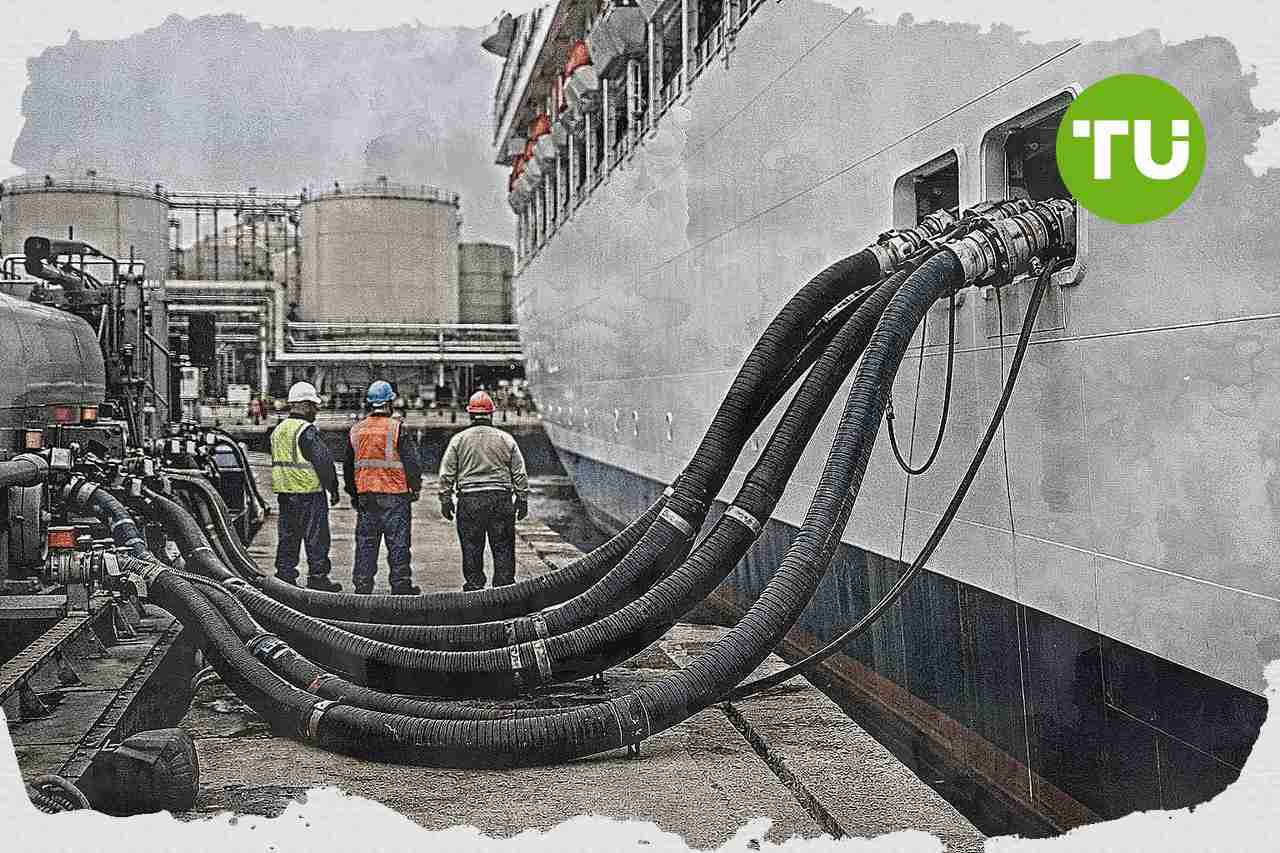
Rising fuel expenses continue to weigh on cruise operators as geopolitical tensions keep energy markets volatile. Carnival says the pressure is set to carry into its third quarter, and the weaker-than-expected outlook sends its shares down about 10% in premarket trading.
Highlights
- Carnival projects third-quarter adjusted EPS of $1.35, missing LSEG analyst consensus of $1.42, due to higher fuel costs.
- Carnival, which does not hedge fuel, expects the impact from increased fuel costs to exceed $500 million for the period.
- Middle East conflict exacerbates fuel cost pressures, causing margin erosion and heightened operational challenges across the cruise sector.
Third-quarter outlook and fuel cost pressure
As reported by Reuters, Carnival forecasts adjusted earnings per share of about $1.35 for the third quarter, below analysts' estimate of $1.42, according to data compiled by LSEG.The company says it is overcoming extreme geopolitical headwinds and nearly 30% higher fuel costs in the quarter. Carnival is the only major U.S. cruise line that typically does not hedge fuel, leaving it more directly exposed to swings in fuel oil and marine gas oil prices.
In March, Carnival said the impact from higher fuel costs is expected to exceed $500 million.
Industry impact from Middle East tensions
Cruise operators remain heavily dependent on fuel oil and marine gas oil, and the sector is navigating a tougher operating environment. The conflict in the Middle East has raised concerns about prolonged supply disruptions, adding pressure to costs across the industry.For Carnival, the latest forecast highlights how elevated fuel prices continue to erode margins even as the company works through broader geopolitical uncertainty.
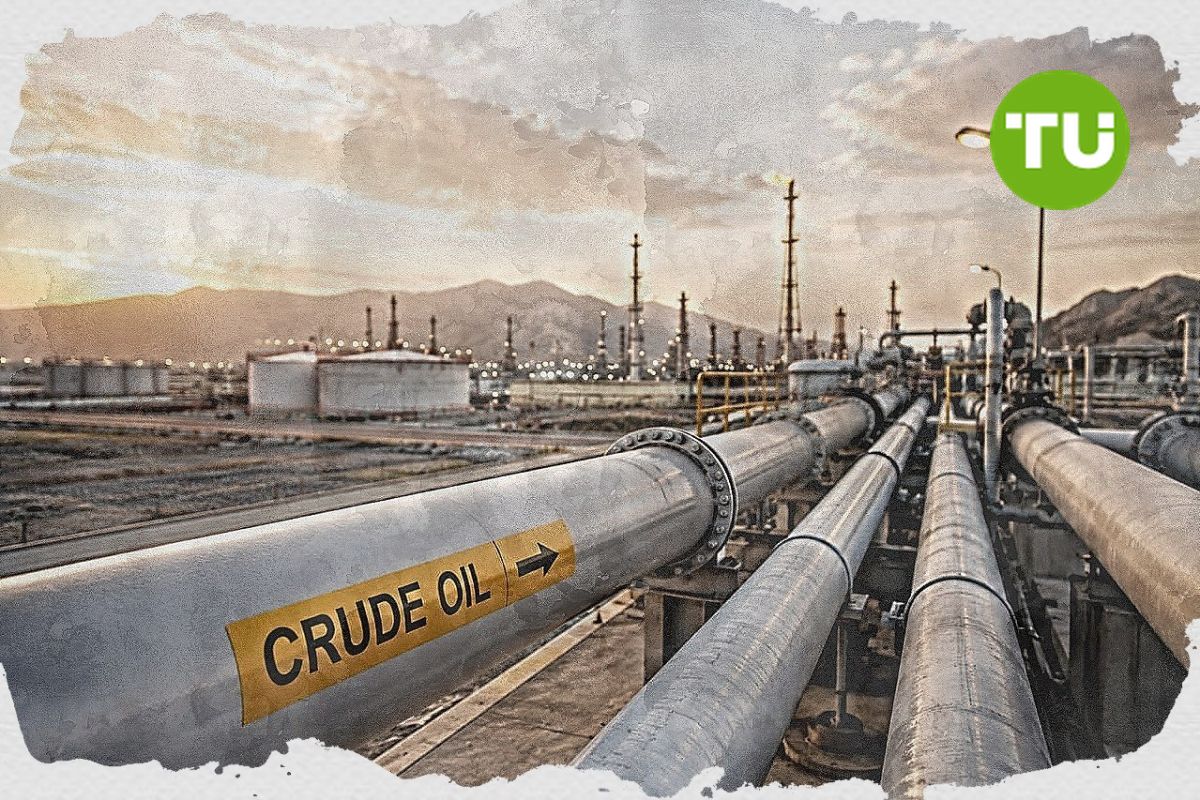
WTI oil remained under pressure as the market priced in a lower geopolitical risk premium, including a potential 60-day pause in U.S. sanctions on Iranian crude and signs of progress in U.S.–Iran talks. Our earlier article noted that while this could bring more supply back to the market and support shipments via the Strait of Hormuz, falling U.S. inventories and a still-tight physical market were limiting the downside and keeping the outlook neutral-to-negative.










-
 Afghanistan
-
 Albania
-
 Algeria
-
 Angola
-
 Argentina
-
 Armenia
-
 Australia
-
 Austria
-
 Azerbaijan
-
 Bahamas
-
 Bahrain
-
 Bangladesh
-
 Belarus
-
 Belgium
-
 Bolivia
-
 Botswana
-
 Brazil
-
 Brunei
-
 Bulgaria
-
 Cambodia
-
 Cameroon
-
 Canada
-
 Chile
Chile
-
 China
China
-
 Colombia
-
 Congo
Congo
-
 Costa Rica
-
 Cote d'Ivoire
-
 Croatia
-
 Cuba
Cuba
-
 Cyprus
-
 Czechia
-
 DR Congo
-
 Denmark
-
 Dominican Republic
-
 Ecuador
-
 Egypt
Egypt
-
 El Salvador
-
 Estonia
-
 Eswatini
-
 Ethiopia
-
 Finland
-
 France
-
 Georgia
-
 Germany
-
 Ghana
Ghana
-
 Greece
-
 Haiti
Haiti
-
 Hong Kong
-
 Hungary
-
 India
India
-
 Indonesia
-
 Iran, Islamic republic
-
 Iraq
Iraq
-
 Ireland
-
 Israel
-
 Italy
Italy
-
 Jamaica
-
 Japan
Japan
-
 Jordan
-
 Kazakhstan
-
 Kenya
Kenya
-
 Korea
Korea
-
 Kuwait
-
 Kyrgyzstan
-
 Laos
Laos
-
 Latvia
-
 Lebanon
-
 Lesotho
-
 Libya
Libya
-
 Lithuania
-
 Luxembourg
-
 Madagascar
-
 Malaysia
-
 Malta
Malta
-
 Mauritius
-
 Mexico
-
 Moldova
-
 Mongolia
-
 Montenegro
-
 Morocco
-
 Mozambique
-
 Myanmar
-
 Namibia
-
 Nepal
Nepal
-
 Netherlands
-
 New Zealand
-
 Nigeria
-
 North Macedonia
-
 Norway
-
 Oman
Oman
-
 Pakistan
-
 Palestine
-
 Panama
-
 Papua New Guinea
-
 Paraguay
-
 Peru
Peru
-
 Philippines
-
 Poland
-
 Portugal
-
 Puerto Rico
-
 Qatar
Qatar
-
 Reunion
-
 Romania
-
 Rwanda
-
 Saudi Arabia
-
 Serbia
-
 Singapore
-
 Slovakia
-
 Slovenia
-
 Somalia
-
 South Africa
-
 Spain
Spain
-
 Sri Lanka
-
 Sweden
-
 Switzerland
-
 Syria
Syria
-
 Taiwan
-
 Tajikistan
-
 Tanzania
-
 Thailand
-
 Trinidad and Tobago
-
 Tunisia
-
 Turkey
-
 UAE
UAE
-
 Uganda
-
 Ukraine
-
 United Kingdom
-
United States
-
 Uruguay
-
 Uzbekistan
-
 Venezuela
-
 Vietnam
-
 Yemen
Yemen
-
 Zambia
-
 Zimbabwe
- Forex
- Crypto











