
Burnham faces policy trade-offs across UK economy and public services
With Andy Burnham expected to move from campaign promises to a governing agenda within weeks, he is under pressure to define how his pledges would work in practice. The main questions span fiscal rules, public ownership, immigration, housing, welfare and industrial policy, with costs and political trade-offs still unresolved.
Highlights
- Burnham faces tension between Rachel Reeves' fiscal rules and promises for expanded public control over water, energy, and social care services without clear funding plans.
- He has yet to specify how housing policies—shifting £39 billion in social housing toward more council-built homes—would be funded or avoid reducing total new home numbers.
- Proposals to cut the welfare bill via employment support, expand technical education, and sustain the Manchester Bee Network all require significant upfront or ongoing public expenditure, straining fiscal limits.
Key policy choices before a likely transition
As first reported by Financial Times, Burnham is entering a critical period in which broad promises on economic change and public control need to be translated into detailed policy before he likely takes office. A central test is how he reconciles adherence to Rachel Reeves' fiscal rules with his ambition to extend public control over essential services.On relations with Europe, Burnham has recently stepped back from earlier support for rejoining the EU in his lifetime and now has to decide whether to keep the shape of Keir Starmer's proposed reset, including closer trade ties, a youth mobility scheme and possible fee parity for EU students. That choice carries political risks on both sides, because Labour activists want a deeper break from Starmer's red lines, while Burnham's support in Makerfield includes voters attracted by Reform UK in a strongly pro-Brexit area.
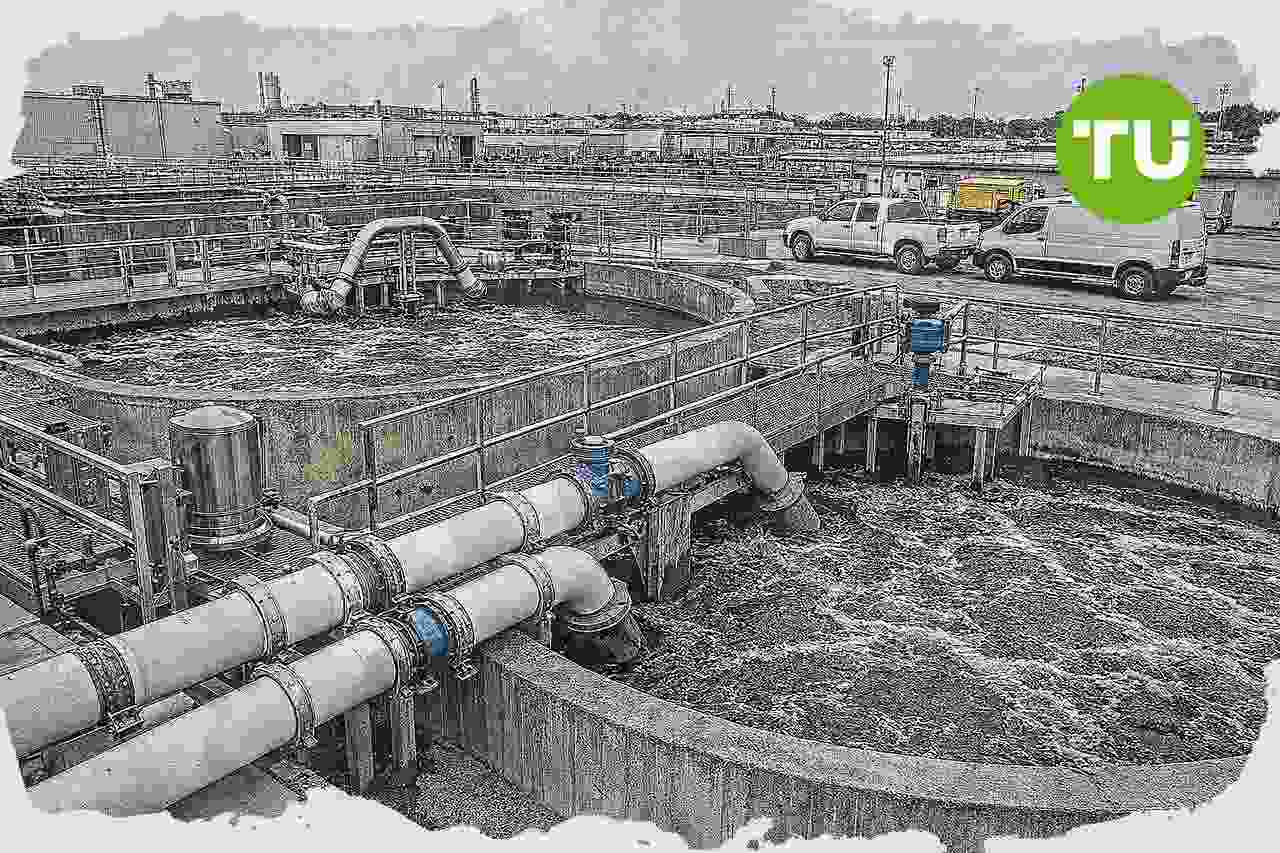
Utilities are another immediate pressure point. Burnham has promised lower water and energy bills through a 10-year plan with greater public control, but he has not fully explained how that would be funded or implemented, especially beyond his view that Thames Water should be taken into public hands through special administration if necessary.
On energy and industry, Burnham says he keeps an open mind on further North Sea oil and gas drilling, despite opposition from figures such as Ed Miliband. He is also pressing a vision of re-industrialisation in northern England, using defence procurement and public purchasing to create jobs and apprenticeships, but he has yet to spell out how far he would go beyond measures the current government is already pursuing or how he would manage the likely cost and quality trade-offs.
Fiscal strain and delivery risks across public services
Immigration, housing and welfare present some of the hardest delivery questions. Burnham has backed tougher settlement rules championed by Home Secretary Shabana Mahmood and has pledged to end the use of deprived towns and cities to house asylum seekers, yet he has not said where alternative accommodation would be provided or whether tougher action on illegal migration would extend to third-country processing or changes to human rights law.In housing, he signals support for shifting the government's 39 billion pound social and affordable homes programme more heavily toward council house building. That could give the state more direct control, but it may also reduce the total number of homes built unless additional funding is found and could slow projects already moving through the bidding process.
Burnham also says he wants to cut the welfare bill through employment support rather than crude reductions, echoing a wider Labour push for reform of sickness benefits. The challenge is that such changes usually require higher upfront spending before savings emerge later, raising fresh questions about whether they can fit within existing budgets.
Social care and transport add further financial pressure. Burnham still supports a free national care service funded through estates, a politically sensitive idea whose cost could run from billions to tens of billions of pounds a year depending on scope, while his Manchester Bee Network is popular but has required major upfront spending, ongoing subsidy and higher local taxation. In education and employment, he wants stronger technical routes and guaranteed work placements for 16 to 18-year-olds, but it remains unclear whether that expansion would be financed by limiting university access or by finding new public money.
Our earlier coverage of Andy Burnham’s Labour transition focused on the cabinet and staffing choices he is preparing ahead of a likely move into office. We noted the uncertainty around whether Rachel Reeves would remain chancellor, alongside speculation about potential replacements and the prominent role expected for Burnham’s Greater Manchester allies in senior government posts.





Latest UK News








-
 Afghanistan
-
 Albania
-
 Algeria
-
 Angola
-
 Argentina
-
 Armenia
-
 Australia
-
 Austria
-
 Azerbaijan
-
 Bahamas
-
 Bahrain
-
 Bangladesh
-
 Belarus
-
 Belgium
-
 Bolivia
-
 Botswana
-
 Brazil
-
 Brunei
-
 Bulgaria
-
 Cambodia
-
 Cameroon
-
 Canada
-
 Chile
Chile
-
 China
China
-
 Colombia
-
 Congo
Congo
-
 Costa Rica
-
 Cote d'Ivoire
-
 Croatia
-
 Cuba
Cuba
-
 Cyprus
-
 Czechia
-
 DR Congo
-
 Denmark
-
 Dominican Republic
-
 Ecuador
-
 Egypt
Egypt
-
 El Salvador
-
 Estonia
-
 Eswatini
-
 Ethiopia
-
 Finland
-
 France
-
 Georgia
-
 Germany
-
 Ghana
Ghana
-
 Greece
-
 Haiti
Haiti
-
 Hong Kong
-
 Hungary
-
 India
India
-
 Indonesia
-
 Iran, Islamic republic
-
 Iraq
Iraq
-
 Ireland
-
 Israel
-
 Italy
Italy
-
 Jamaica
-
 Japan
Japan
-
 Jordan
-
 Kazakhstan
-
 Kenya
Kenya
-
 Korea
Korea
-
 Kuwait
-
 Kyrgyzstan
-
 Laos
Laos
-
 Latvia
-
 Lebanon
-
 Lesotho
-
 Libya
Libya
-
 Lithuania
-
 Luxembourg
-
 Madagascar
-
 Malaysia
-
 Malta
Malta
-
 Mauritius
-
 Mexico
-
 Moldova
-
 Mongolia
-
 Montenegro
-
 Morocco
-
 Mozambique
-
 Myanmar
-
 Namibia
-
 Nepal
Nepal
-
 Netherlands
-
 New Zealand
-
 Nigeria
-
 North Macedonia
-
 Norway
-
 Oman
Oman
-
 Pakistan
-
 Palestine
-
 Panama
-
 Papua New Guinea
-
 Paraguay
-
 Peru
Peru
-
 Philippines
-
 Poland
-
 Portugal
-
 Puerto Rico
-
 Qatar
Qatar
-
 Reunion
-
 Romania
-
 Rwanda
-
 Saudi Arabia
-
 Serbia
-
 Singapore
-
 Slovakia
-
 Slovenia
-
 Somalia
-
 South Africa
-
 Spain
Spain
-
 Sri Lanka
-
 Sweden
-
 Switzerland
-
 Syria
Syria
-
 Taiwan
-
 Tajikistan
-
 Tanzania
-
 Thailand
-
 Trinidad and Tobago
-
 Tunisia
-
 Turkey
-
 UAE
UAE
-
 Uganda
-
 Ukraine
-
 United Kingdom
-
United States
-
 Uruguay
-
 Uzbekistan
-
 Venezuela
-
 Vietnam
-
 Yemen
Yemen
-
 Zambia
-
 Zimbabwe
- Forex
- Crypto











