
UK private schools show limited pupil decline after VAT on fees
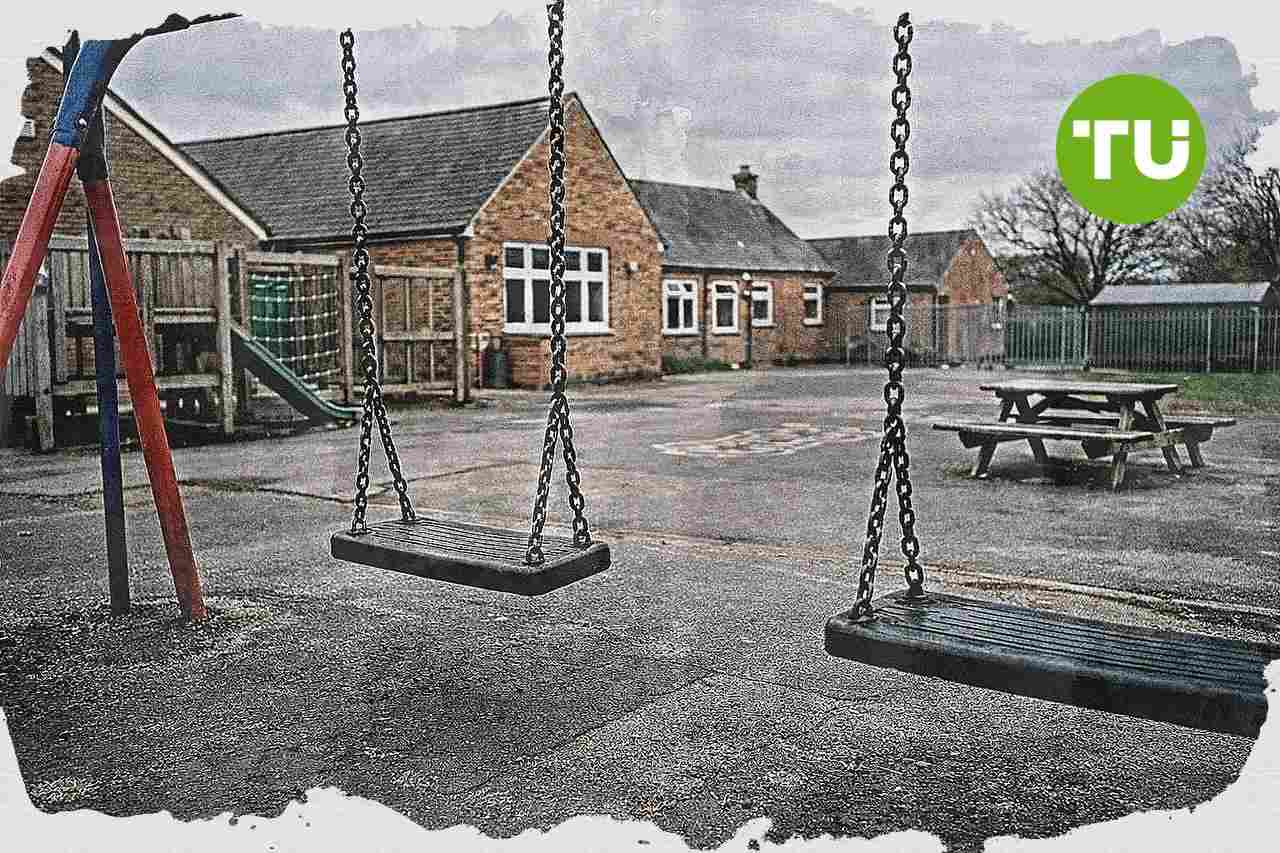
Private school enrolment in England falls less sharply than many forecasts suggested after the introduction of 20 per cent VAT on school fees. The drop totals 5.6 per cent, or just over 33,000 pupils across the last two school censuses, while families and schools absorb much of the higher cost.
Highlights
- Private pupil numbers in England fell 5.6 per cent—just over 33,000 students—less than the previously feared 10 per cent drop since VAT on fees.
- Elite independent schools report 7 per cent income growth to £42.5 million and 6 per cent spending growth to £39.9 million, with average termly day fees at £11,100.
- Pressure from VAT mainly impacts smaller and mid-market schools, prompting delayed enrolments and competition with state schools amid stagnant house prices and low birth rates.
Enrolment trends after the tax change
As reported by the Financial Times, the closure of some smaller independent schools after VAT was imposed last January has not translated into the severe sector-wide contraction that many analysts and industry voices had expected.Based on the government’s last two school censuses, privately educated pupil numbers in England are down 5.6 per cent, equivalent to just over 33,000 students. That is below earlier warnings of a 10 per cent decline over three years and far from estimates ranging from 3,000 pupils moving to state schools in the first year to 90,000 students overall.
The article notes that the picture is uneven across the UK. The Independent Schools Council says the effect is heavier in Scotland and Wales, and the English figures look weaker if schools serving children with special needs are excluded. It also says larger declines in entry-age groups may take time to feed through to total enrolment.
Even so, the reduction does not amount to a collapse, especially when set against a 1.6 per cent fall in the overall school population. Jake Anders, deputy director of the Centre for Education Policy at University College London, says demand for private education remains relatively inelastic.
Pressure shifts to marginal schools and family budgets
Families and grandparents appear to be carrying much of the additional fee burden, while some schools absorb part of the increase and cut discretionary spending. James Leggett, managing director of educational consultancy MTM, says the facilities arms race is over, suggesting operators are pulling back from costly expansion and prestige projects.At the top end of the market, leading independent schools appear more resilient. A sample of 25 elite schools posts average income growth of 7 per cent to £42.5 million in the year to August 2025, with spending rising by about 6 per cent to £39.9 million, while average termly fees for day pupils reach £11,100. That compares with £8,611 in the Independent Schools Council’s 2026 census of 1,400 member schools, reflecting a 4 per cent annual increase.
The greater strain appears to fall on smaller and mid-market schools competing for more price-sensitive families. Some parents reportedly delay private education until GCSE years or move into the catchment areas of strong state-funded schools instead, a shift supported by stagnant real house prices, low birth rates and the rise of higher-quality academies, though higher stamp duty raises the cost of moving.
Leggett advises parents considering private schools to review five-year financial records on the Charity Commission website for signs of weakness, including whether income is rising and remains above expenditure. Several closures linked in press reports to the VAT change appear to involve schools with earlier financial deficits or narrower business models, including dependence on international students or religious niches, while some schools listed as closed are still advertising places for the 2026-27 intake.
In our earlier report on UK employers’ expectations for smaller pay awards in 2027, we outlined signs that the labour market is cooling and wage momentum is easing. We noted that while slower wage growth could help reduce inflation pressure, it also risks weighing on household demand as consumer morale remains fragile amid political uncertainty.













-
 Afghanistan
-
 Albania
-
 Algeria
-
 Angola
-
 Argentina
-
 Armenia
-
 Australia
-
 Austria
-
 Azerbaijan
-
 Bahamas
-
 Bahrain
-
 Bangladesh
-
 Belarus
-
 Belgium
-
 Bolivia
-
 Botswana
-
 Brazil
-
 Brunei
-
 Bulgaria
-
 Cambodia
-
 Cameroon
-
 Canada
-
 Chile
Chile
-
 China
China
-
 Colombia
-
 Congo
Congo
-
 Costa Rica
-
 Cote d'Ivoire
-
 Croatia
-
 Cuba
Cuba
-
 Cyprus
-
 Czechia
-
 DR Congo
-
 Denmark
-
 Dominican Republic
-
 Ecuador
-
 Egypt
Egypt
-
 El Salvador
-
 Estonia
-
 Eswatini
-
 Ethiopia
-
 Finland
-
 France
-
 Georgia
-
 Germany
-
 Ghana
Ghana
-
 Greece
-
 Haiti
Haiti
-
 Hong Kong
-
 Hungary
-
 India
India
-
 Indonesia
-
 Iran, Islamic republic
-
 Iraq
Iraq
-
 Ireland
-
 Israel
-
 Italy
Italy
-
 Jamaica
-
 Japan
Japan
-
 Jordan
-
 Kazakhstan
-
 Kenya
Kenya
-
 Korea
Korea
-
 Kuwait
-
 Kyrgyzstan
-
 Laos
Laos
-
 Latvia
-
 Lebanon
-
 Lesotho
-
 Libya
Libya
-
 Lithuania
-
 Luxembourg
-
 Madagascar
-
 Malaysia
-
 Malta
Malta
-
 Mauritius
-
 Mexico
-
 Moldova
-
 Mongolia
-
 Montenegro
-
 Morocco
-
 Mozambique
-
 Myanmar
-
 Namibia
-
 Nepal
Nepal
-
 Netherlands
-
 New Zealand
-
 Nigeria
-
 North Macedonia
-
 Norway
-
 Oman
Oman
-
 Pakistan
-
 Palestine
-
 Panama
-
 Papua New Guinea
-
 Paraguay
-
 Peru
Peru
-
 Philippines
-
 Poland
-
 Portugal
-
 Puerto Rico
-
 Qatar
Qatar
-
 Reunion
-
 Romania
-
 Rwanda
-
 Saudi Arabia
-
 Serbia
-
 Singapore
-
 Slovakia
-
 Slovenia
-
 Somalia
-
 South Africa
-
 Spain
Spain
-
 Sri Lanka
-
 Sweden
-
 Switzerland
-
 Syria
Syria
-
 Taiwan
-
 Tajikistan
-
 Tanzania
-
 Thailand
-
 Trinidad and Tobago
-
 Tunisia
-
 Turkey
-
 UAE
UAE
-
 Uganda
-
 Ukraine
-
 United Kingdom
-
United States
-
 Uruguay
-
 Uzbekistan
-
 Venezuela
-
 Vietnam
-
 Yemen
Yemen
-
 Zambia
-
 Zimbabwe
- Forex
- Crypto











