
UK households face higher energy costs as electrification lags, CCC says
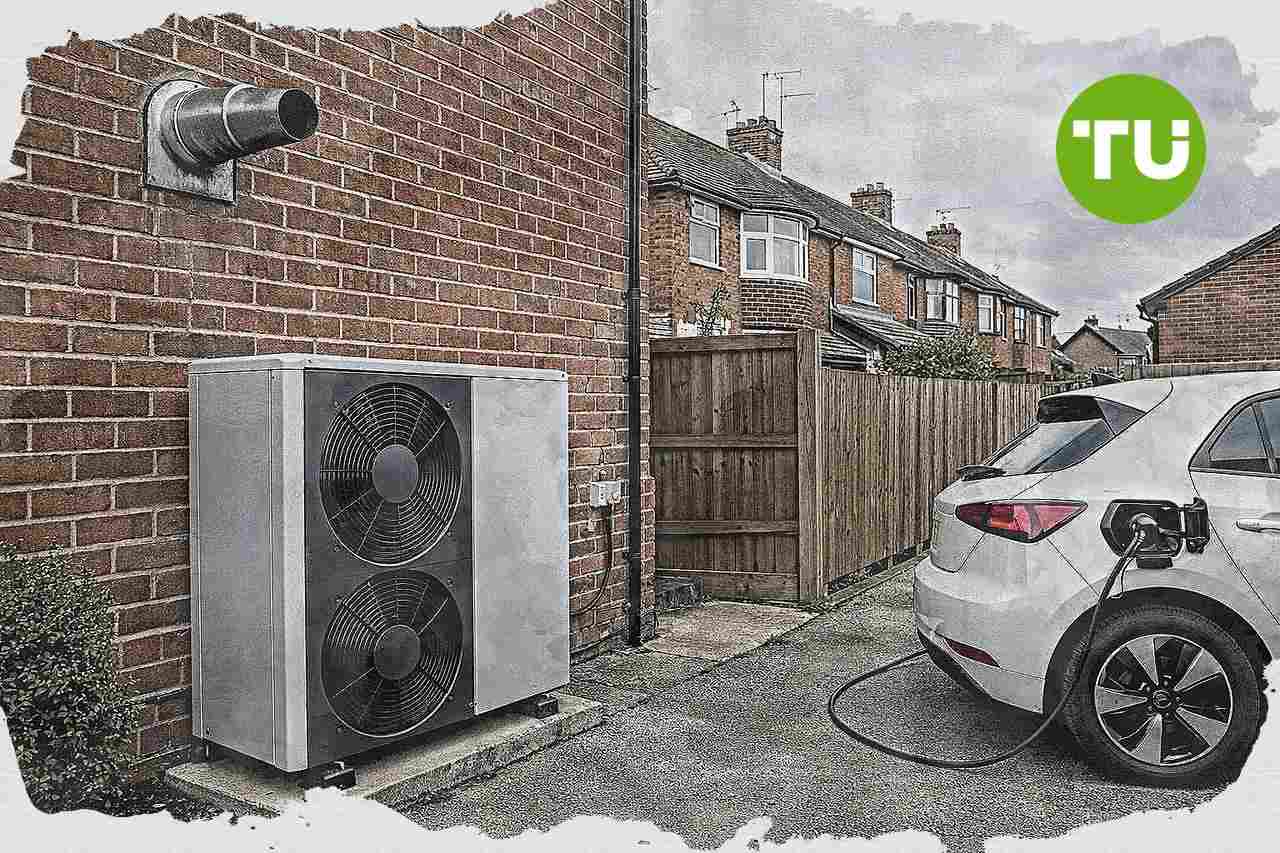
British households are facing higher energy bills as the shift to heat pumps and electric vehicles is not moving fast enough, increasing exposure to fossil fuel price shocks. The Climate Change Committee says homes that switch to electric technologies could cut annual energy costs by about £1,200, with savings rising to £1,900 for some rural properties.
Highlights
- UK households with gas boilers and petrol cars have faced energy bill increases almost four times higher than those with heat pumps and electric vehicles since the Iran war, according to the Climate Change Committee.
- Heat pump installations in the UK have slowed due to high upfront costs, despite potential long-term bill savings and ongoing grant support through the £15bn Warm Homes Plan.
- The CCC warns political uncertainty and lack of credible emissions-cutting plans threaten progress towards 2030 climate targets, despite UK greenhouse gas emissions falling 1.8% in 2025.
Committee urges faster shift to electric heating and transport
As reported by the Climate Change Committee, households with gas boilers and petrol cars have seen energy bills rise almost four times more than those using heat pumps and electric vehicles since the start of the Iran war. The committee says heat pumps can lower annual bills despite Britain's high electricity prices because they are more efficient than fossil-fuel boilers and can be operated when power is cheaper under time-of-use tariffs.The committee warns that progress is uneven. While electric vehicle uptake remains strong, installations of heat pumps have slowed, and the upfront cost of heat pumps and solar panels remains a major barrier even if households recover the investment over time.
The CCC is calling on the government to adopt a more ambitious plan to electrify the UK, including cheaper electricity prices, faster support for electric vehicles, quicker deployment of heat pumps in buildings and broader industrial electrification. CCC chair Nigel Topping says government backing is critical to keep climate targets within reach and unlock household savings, while warning that political uncertainty risks slowing investment and weakening long-term business confidence.
Policy pressure grows amid climate and energy debate
The findings arrive as climate policy in the UK is under pressure, with Reform and the Conservatives pledging to scrap net zero efforts while advocating more North Sea oil and gas production. The Department of Energy Security and Net Zero says it is trying to end the country's dependence on fossil fuels and is investing £15bn in the Warm Homes Plan, which offers grants and loans for heat pumps and solar panels.The report also coincides with London Climate Action Week, where ministers and business leaders are backing faster electrification. Energy Secretary Ed Miliband says clean electrification offers a more stable domestic alternative that is less vulnerable to foreign wars and global price shocks, while UN Secretary-General António Guterres says the challenge now is building grids, storage and infrastructure at the required speed and scale.
In London, EU energy commissioner Dan Jørgensen says he will present a plan to electrify Europe within the next few weeks, arguing that greener power is now cheaper and can reduce dependence on imported fossil fuels. The CCC report also says the UK's greenhouse gas emissions fell 1.8% in 2025, but warns that the country still lacks credible plans for many of the emissions cuts needed to meet its 2030 target.
Republican lawmakers have advanced a $58.5 billion U.S. fiscal 2027 Energy and Water appropriations bill that prioritizes energy security and grid reliability alongside broader national-security goals. Our earlier coverage noted the package’s major funding lines for DOE science and nuclear programs, as well as support for domestic supply chains and advanced reactor development intended to underpin stable, affordable power.





Latest UK News









-
 Afghanistan
-
 Albania
-
 Algeria
-
 Angola
-
 Argentina
-
 Armenia
-
 Australia
-
 Austria
-
 Azerbaijan
-
 Bahamas
-
 Bahrain
-
 Bangladesh
-
 Belarus
-
 Belgium
-
 Bolivia
-
 Botswana
-
 Brazil
-
 Brunei
-
 Bulgaria
-
 Cambodia
-
 Cameroon
-
 Canada
-
 Chile
Chile
-
 China
China
-
 Colombia
-
 Congo
Congo
-
 Costa Rica
-
 Cote d'Ivoire
-
 Croatia
-
 Cuba
Cuba
-
 Cyprus
-
 Czechia
-
 DR Congo
-
 Denmark
-
 Dominican Republic
-
 Ecuador
-
 Egypt
Egypt
-
 El Salvador
-
 Estonia
-
 Eswatini
-
 Ethiopia
-
 Finland
-
 France
-
 Georgia
-
 Germany
-
 Ghana
Ghana
-
 Greece
-
 Haiti
Haiti
-
 Hong Kong
-
 Hungary
-
 India
India
-
 Indonesia
-
 Iran, Islamic republic
-
 Iraq
Iraq
-
 Ireland
-
 Israel
-
 Italy
Italy
-
 Jamaica
-
 Japan
Japan
-
 Jordan
-
 Kazakhstan
-
 Kenya
Kenya
-
 Korea
Korea
-
 Kuwait
-
 Kyrgyzstan
-
 Laos
Laos
-
 Latvia
-
 Lebanon
-
 Lesotho
-
 Libya
Libya
-
 Lithuania
-
 Luxembourg
-
 Madagascar
-
 Malaysia
-
 Malta
Malta
-
 Mauritius
-
 Mexico
-
 Moldova
-
 Mongolia
-
 Montenegro
-
 Morocco
-
 Mozambique
-
 Myanmar
-
 Namibia
-
 Nepal
Nepal
-
 Netherlands
-
 New Zealand
-
 Nigeria
-
 North Macedonia
-
 Norway
-
 Oman
Oman
-
 Pakistan
-
 Palestine
-
 Panama
-
 Papua New Guinea
-
 Paraguay
-
 Peru
Peru
-
 Philippines
-
 Poland
-
 Portugal
-
 Puerto Rico
-
 Qatar
Qatar
-
 Reunion
-
 Romania
-
 Rwanda
-
 Saudi Arabia
-
 Serbia
-
 Singapore
-
 Slovakia
-
 Slovenia
-
 Somalia
-
 South Africa
-
 Spain
Spain
-
 Sri Lanka
-
 Sweden
-
 Switzerland
-
 Syria
Syria
-
 Taiwan
-
 Tajikistan
-
 Tanzania
-
 Thailand
-
 Trinidad and Tobago
-
 Tunisia
-
 Turkey
-
 UAE
UAE
-
 Uganda
-
 Ukraine
-
 United Kingdom
-
United States
-
 Uruguay
-
 Uzbekistan
-
 Venezuela
-
 Vietnam
-
 Yemen
Yemen
-
 Zambia
-
 Zimbabwe
- Forex
- Crypto











