

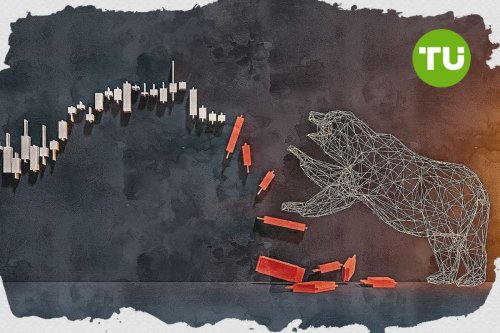
As investors weigh the risks of another asset-price surge, attention is turning to whether the Federal Reserve will again avoid acting against potential bubbles before they burst. Kevin Warsh is seen as broadly aligned with Alan Greenspan on that question, raising concern that the central bank could remain slow to confront excesses tied to the current AI-driven market boom.
Highlights
- Markets increasingly expect Kevin Warsh to maintain Greenspan's hands-off approach to asset bubbles, fueling concerns after notable past crises.
- U.S. chip stock indexes have doubled year-to-date and risen fivefold in four years, raising fears that surging AI-linked asset values are inflating systemic risk.
- Persistent above-target U.S. inflation suggests the Fed may consider a rate hike later this year, but investors worry policymakers will only address bubbles post-break.
Greenspan legacy shapes policy debate
As reported by Reuters, the debate over how the Federal Reserve should handle asset bubbles is intensifying as markets assess Kevin Warsh's likely approach after the death of former Fed Chair Alan Greenspan. Greenspan argued for much of his tenure that the central bank should not try to deflate bubbles in advance, and should instead manage the damage after a collapse.That view rested on the idea that policymakers cannot reliably distinguish between a speculative bubble and a genuine structural investment boom. Critics, however, point to the dotcom collapse and the 2007/2008 credit crisis as evidence that waiting to respond can impose severe long-term economic and political costs.
Warsh is widely assumed to share Greenspan's reluctance to lean against surging asset prices before a break occurs, although he has not addressed the issue directly. His public comments focus more on allowing technology-led investment waves to run their course, while also criticizing the Fed's balance sheet expansion since 2008 as a force that over-inflated stocks and bonds.
AI valuations and spillover risks
A central concern for investors is whether the Fed may again tolerate a bubble if current gains in AI-linked assets continue to accelerate. The article notes that U.S. chip stock indexes have doubled so far this year and have risen fivefold over the past four years, reinforcing questions about whether monetary policymakers are overlooking broader risks to prices, financial stability and the wider economy.The issue is not only whether valuations are stretched, but whether market gains are spilling into other overheated areas. South Korea offers one recent example, with reports that households are channeling stock market windfalls into a property market that is already under strain, raising the question of whether a similar pattern could emerge in the U.S. economy.
With U.S. inflation still running above target, the prospect of a rate increase later this year may represent the minimum response available to the Fed if it wants to steady markets. Even so, the broader concern remains that the central bank could continue to miss bubble-related risks until after they rupture.
In our earlier article on the AI-led selloff in U.S. tech stocks, we covered how a two-day drop erased about $1.3 trillion from Nasdaq 100 companies and revived concerns that AI-related shares had become too expensive after months of rapid gains. We also noted that Micron’s earnings were seen as a key test for confidence in the AI trade, with investors watching whether the rally can hold up amid volatility and crowded positioning.













-
 Afghanistan
-
 Albania
-
 Algeria
-
 Angola
-
 Argentina
-
 Armenia
-
 Australia
-
 Austria
-
 Azerbaijan
-
 Bahamas
-
 Bahrain
-
 Bangladesh
-
 Belarus
-
 Belgium
-
 Bolivia
-
 Botswana
-
 Brazil
-
 Brunei
-
 Bulgaria
-
 Cambodia
-
 Cameroon
-
 Canada
-
 Chile
Chile
-
 China
China
-
 Colombia
-
 Congo
Congo
-
 Costa Rica
-
 Cote d'Ivoire
-
 Croatia
-
 Cuba
Cuba
-
 Cyprus
-
 Czechia
-
 DR Congo
-
 Denmark
-
 Dominican Republic
-
 Ecuador
-
 Egypt
Egypt
-
 El Salvador
-
 Estonia
-
 Eswatini
-
 Ethiopia
-
 Finland
-
 France
-
 Georgia
-
 Germany
-
 Ghana
Ghana
-
 Greece
-
 Haiti
Haiti
-
 Hong Kong
-
 Hungary
-
 India
India
-
 Indonesia
-
 Iran, Islamic republic
-
 Iraq
Iraq
-
 Ireland
-
 Israel
-
 Italy
Italy
-
 Jamaica
-
 Japan
Japan
-
 Jordan
-
 Kazakhstan
-
 Kenya
Kenya
-
 Korea
Korea
-
 Kuwait
-
 Kyrgyzstan
-
 Laos
Laos
-
 Latvia
-
 Lebanon
-
 Lesotho
-
 Libya
Libya
-
 Lithuania
-
 Luxembourg
-
 Madagascar
-
 Malaysia
-
 Malta
Malta
-
 Mauritius
-
 Mexico
-
 Moldova
-
 Mongolia
-
 Montenegro
-
 Morocco
-
 Mozambique
-
 Myanmar
-
 Namibia
-
 Nepal
Nepal
-
 Netherlands
-
 New Zealand
-
 Nigeria
-
 North Macedonia
-
 Norway
-
 Oman
Oman
-
 Pakistan
-
 Palestine
-
 Panama
-
 Papua New Guinea
-
 Paraguay
-
 Peru
Peru
-
 Philippines
-
 Poland
-
 Portugal
-
 Puerto Rico
-
 Qatar
Qatar
-
 Reunion
-
 Romania
-
 Rwanda
-
 Saudi Arabia
-
 Serbia
-
 Singapore
-
 Slovakia
-
 Slovenia
-
 Somalia
-
 South Africa
-
 Spain
Spain
-
 Sri Lanka
-
 Sweden
-
 Switzerland
-
 Syria
Syria
-
 Taiwan
-
 Tajikistan
-
 Tanzania
-
 Thailand
-
 Trinidad and Tobago
-
 Tunisia
-
 Turkey
-
 UAE
UAE
-
 Uganda
-
 Ukraine
-
 United Kingdom
-
United States
-
 Uruguay
-
 Uzbekistan
-
 Venezuela
-
 Vietnam
-
 Yemen
Yemen
-
 Zambia
-
 Zimbabwe
- Forex
- Crypto











