
U.S. housing bill faces signing risk as Congress backs supply and affordability overhaul
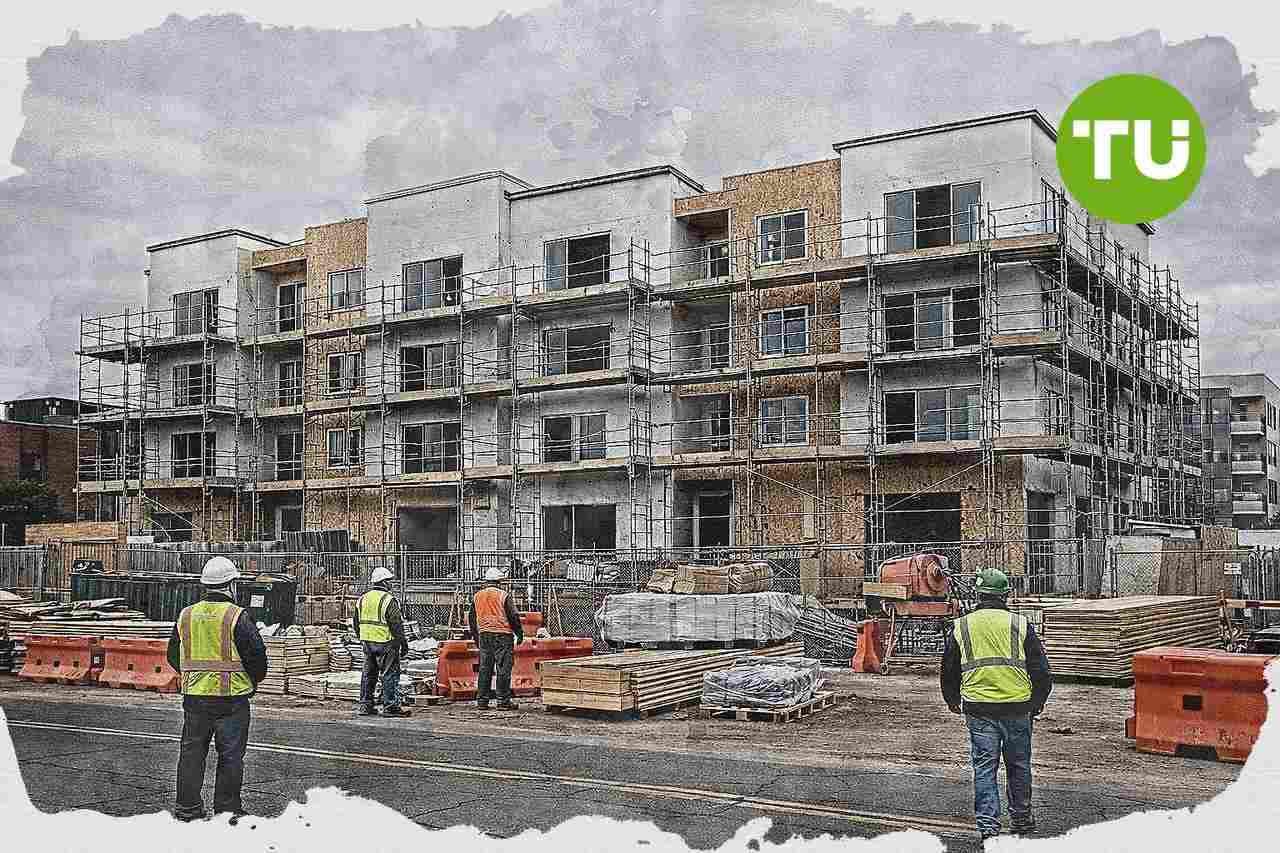
A bipartisan housing package is moving through Washington after winning overwhelming approval in the House and Senate, but its path to becoming law now depends on whether President Donald Trump signs it. The 21st Century ROAD to Housing Act aims to expand homebuilding, direct more support to disaster-hit communities, and curb some institutional buying of single-family homes.
Highlights
- A 374-page bipartisan U.S. housing bill aims to ease construction costs and expand supply through looser zoning, tax incentives, and federal grants targeting affordability.
- Trump's threat to withhold his signature pending passage of the SAVE AMERICA ACT introduces uncertainty, despite the bill's broad Congressional support ahead of midterm elections.
- The measure limits institutional investor purchases of single-family homes and expands climate aid, but analysts caution that elevated mortgage rates above 6% still dampen affordability gains.
Legislation targets supply, zoning and building costs
As reported by Business Insider, the 374-page bill is designed to make housing construction easier and cheaper over the coming decades, with supporters presenting it as a major bipartisan step on affordability before the midterm elections.Trump introduced uncertainty on Wednesday when he said he may not sign the measure, posting on Truth Social that a planned housing news conference and signing were cancelled until Congress passes the SAVE AMERICA ACT, which he called a national emergency.
A central part of the bill focuses on the U.S. housing supply shortage. Emma Waters, senior policy analyst at the Bipartisan Policy Center, said the legislation aims to narrow that gap by speeding up development and lowering costs, though she said the effect on prices is not immediate.
The measure loosens some federal zoning rules tied to affordable housing, encourages more mixed-use development, reduces restrictions on accessory dwelling units and manufactured homes, and offers tax incentives for cities building more densely populated projects. It also revises requirements on minimum lot sizes, building height and floor-area ratios, while outlining federal grants for construction and repairs, especially for lower-income households.
Climate aid and investor limits shape market impact
The bill also expands housing support for communities exposed to floods, wildfires and other natural disasters. It sets out standardized planning for resilient land use, emergency housing responses and transitional housing needs, with much of the support directed toward low-income areas.Joel Berner, senior economist at Realtor.com, said the measure authorizes a new program within the U.S. Department of Housing and Urban Development to coordinate disaster recovery efforts. He said low-income households, rural communities and veterans are named beneficiaries, while the bill also creates a pilot program to assess heat-related housing complaints in federally funded rental units.
Another section limits the number of single-family homes that large institutional investors can buy, reflecting lawmakers' argument that homes should remain accessible to households rather than corporations. Still, the article notes that major investors hold only about 2% to 3% of the country's single-family rental stock, suggesting the direct effect on affordability may be limited in many markets.
Even if the bill becomes law, analysts caution that lower prices for buyers and renters are not guaranteed. Elevated interest rates, mortgage costs above 6% for 30-year fixed loans, record-high median rents and local building restrictions all continue to weigh on affordability, although added supply could improve conditions over time.
In our earlier coverage of Trump’s cancellation of the White House signing ceremony for the bipartisan housing affordability bill, we explained that the move injected fresh uncertainty into legislation aimed at expanding affordable housing supply and curbing institutional investor activity. We also noted that listed homebuilders rallied sharply on the news, underscoring how sensitive markets can be to shifts in U.S. housing policy signals.












-
 Afghanistan
-
 Albania
-
 Algeria
-
 Angola
-
 Argentina
-
 Armenia
-
 Australia
-
 Austria
-
 Azerbaijan
-
 Bahamas
-
 Bahrain
-
 Bangladesh
-
 Belarus
-
 Belgium
-
 Bolivia
-
 Botswana
-
 Brazil
-
 Brunei
-
 Bulgaria
-
 Cambodia
-
 Cameroon
-
 Canada
-
 Chile
Chile
-
 China
China
-
 Colombia
-
 Congo
Congo
-
 Costa Rica
-
 Cote d'Ivoire
-
 Croatia
-
 Cuba
Cuba
-
 Cyprus
-
 Czechia
-
 DR Congo
-
 Denmark
-
 Dominican Republic
-
 Ecuador
-
 Egypt
Egypt
-
 El Salvador
-
 Estonia
-
 Eswatini
-
 Ethiopia
-
 Finland
-
 France
-
 Georgia
-
 Germany
-
 Ghana
Ghana
-
 Greece
-
 Haiti
Haiti
-
 Hong Kong
-
 Hungary
-
 India
India
-
 Indonesia
-
 Iran, Islamic republic
-
 Iraq
Iraq
-
 Ireland
-
 Israel
-
 Italy
Italy
-
 Jamaica
-
 Japan
Japan
-
 Jordan
-
 Kazakhstan
-
 Kenya
Kenya
-
 Korea
Korea
-
 Kuwait
-
 Kyrgyzstan
-
 Laos
Laos
-
 Latvia
-
 Lebanon
-
 Lesotho
-
 Libya
Libya
-
 Lithuania
-
 Luxembourg
-
 Madagascar
-
 Malaysia
-
 Malta
Malta
-
 Mauritius
-
 Mexico
-
 Moldova
-
 Mongolia
-
 Montenegro
-
 Morocco
-
 Mozambique
-
 Myanmar
-
 Namibia
-
 Nepal
Nepal
-
 Netherlands
-
 New Zealand
-
 Nigeria
-
 North Macedonia
-
 Norway
-
 Oman
Oman
-
 Pakistan
-
 Palestine
-
 Panama
-
 Papua New Guinea
-
 Paraguay
-
 Peru
Peru
-
 Philippines
-
 Poland
-
 Portugal
-
 Puerto Rico
-
 Qatar
Qatar
-
 Reunion
-
 Romania
-
 Rwanda
-
 Saudi Arabia
-
 Serbia
-
 Singapore
-
 Slovakia
-
 Slovenia
-
 Somalia
-
 South Africa
-
 Spain
Spain
-
 Sri Lanka
-
 Sweden
-
 Switzerland
-
 Syria
Syria
-
 Taiwan
-
 Tajikistan
-
 Tanzania
-
 Thailand
-
 Trinidad and Tobago
-
 Tunisia
-
 Turkey
-
 UAE
UAE
-
 Uganda
-
 Ukraine
-
 United Kingdom
-
United States
-
 Uruguay
-
 Uzbekistan
-
 Venezuela
-
 Vietnam
-
 Yemen
Yemen
-
 Zambia
-
 Zimbabwe
- Forex
- Crypto











