
JPMorgan expands $1.5 trillion security financing push as strategic deals grow in North America and Europe

Eight months after launching its Security and Resiliency Initiative, JPMorgan is widening a long-term effort to channel $1.5 trillion into sectors it sees as critical to U.S. economic and national security. The program now reaches beyond the U.S. after expanding to Europe in April and to Canada last week, while the bank says the work demands unusually complex deal structures and specialist hiring.
Highlights
- JPMorgan's Security and Resiliency Initiative has financed at least $150 billion globally and invested over $2 billion in equity, focusing on strategic sectors like energy infrastructure and defense.
- The initiative's complex transactions often involve public-private partnerships, bespoke financing, and multiple counterparties, reflecting a shift toward more coordinated deal structures in North America and Europe.
- More than 25 staff are working on the initiative as of June, with at least eight open roles, as JPMorgan targets specialized talent to support growth in sectors influenced by industrial policy and supply chain resilience.
Expansion plan and increasingly complex transactions
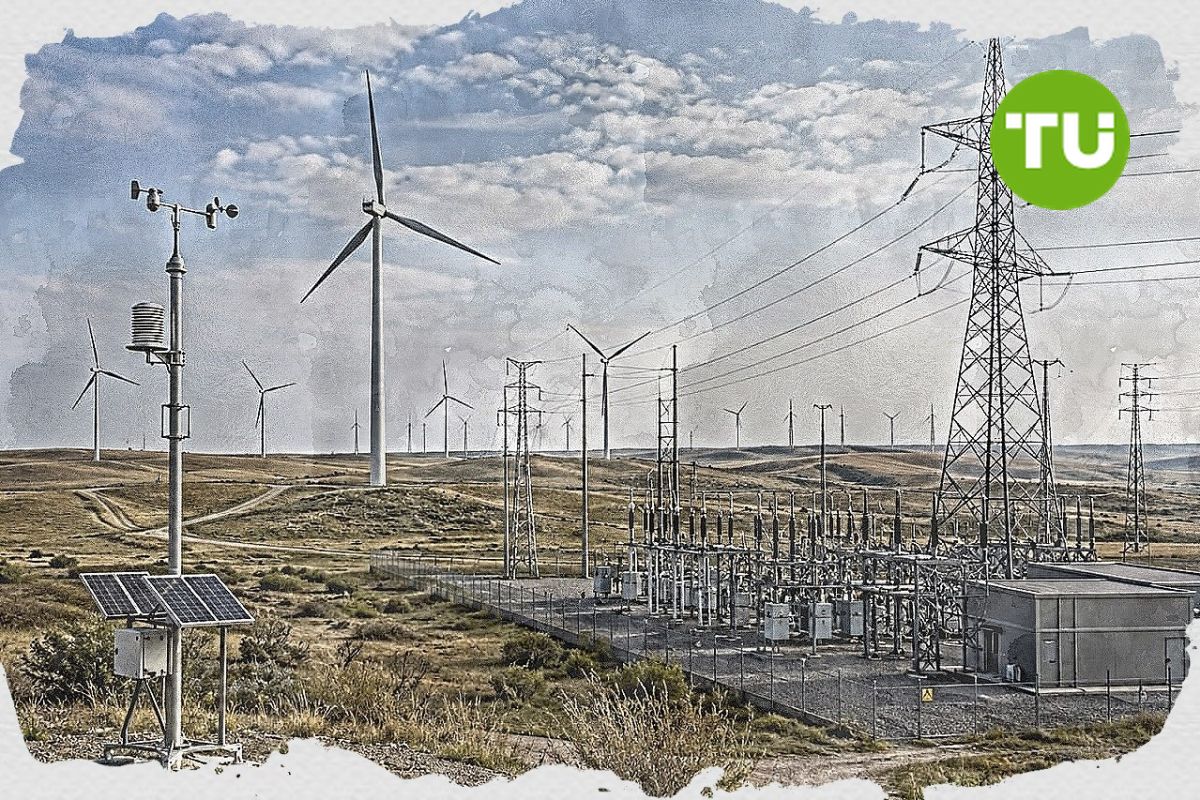
As reported by Business Insider, JPMorgan's internal Security and Resiliency Initiative is being built as a dedicated platform to finance and advise companies in areas including defense, critical minerals, artificial intelligence and energy infrastructure.Vasudha Saxena, who leads strategy for the effort, describes the unit as an "engine room" inside the country's largest bank, with a mandate to execute transactions intended to strengthen U.S. security while still meeting commercial return targets. She says the work is more difficult than most traditional dealmaking because transactions often involve government entities, private companies and additional counterparties, rather than a simple buyer and seller structure.
According to Saxena, many of the projects require bespoke financing arrangements to become commercially viable, including off-take agreements that secure future demand. JPMorgan says the initiative has financed at least $150 billion globally and invested more than $2 billion in equity so far, and cites work including advisory roles tied to Dominion Energy and financing support for VoltaGrid.
Mark Marengo, who supports the group's aerospace and defense coverage, says the current administration is taking a more proactive approach to public-private partnerships. He adds that these structures differ markedly from past transactions because of the number of participants and the degree of coordination required across public and private sectors.
Hiring drive and strategic industry impact
The bank is continuing to recruit for the initiative months after CEO Jamie Dimon publicly encouraged interested candidates to come forward. Saxena says interest in the platform has surged, and the team is bringing in people from banking, government and consulting, including some with experience connected to the 2022 CHIPS Act.By June, a little more than 25 people are working on the initiative, drawn from both inside and outside JPMorgan, and at least eight open roles remain listed on the bank's website as of June 22. Saxena says the positions are difficult and in some cases require what she calls "unicorn talent," reflecting the need for specialists who can navigate policy, industrial supply chains, labor constraints and capital markets at the same time.
The initiative highlights how large banks are positioning themselves around industrial policy and strategic supply chain investment, particularly in sectors tied to energy resilience, semiconductor manufacturing and defense capacity. For JPMorgan, the commercial test remains whether these policy-linked deals perform well enough to attract more private capital over time.
Our earlier coverage of the House Energy and Commerce Subcommittee hearing on critical mineral recovery and recycling outlined how lawmakers are pushing to strengthen domestic supply chains by extracting strategic minerals from waste streams and contaminated-site cleanup. The discussion focused on reducing regulatory barriers, improving federal coordination (including a larger EPA role), and building U.S. capacity so critical minerals are processed domestically rather than sent overseas.




Latest JPMorgan Chase News








-
 Afghanistan
-
 Albania
-
 Algeria
-
 Angola
-
 Argentina
-
 Armenia
-
 Australia
-
 Austria
-
 Azerbaijan
-
 Bahamas
-
 Bahrain
-
 Bangladesh
-
 Belarus
-
 Belgium
-
 Bolivia
-
 Botswana
-
 Brazil
-
 Brunei
-
 Bulgaria
-
 Cambodia
-
 Cameroon
-
 Canada
-
 Chile
Chile
-
 China
China
-
 Colombia
-
 Congo
Congo
-
 Costa Rica
-
 Cote d'Ivoire
-
 Croatia
-
 Cuba
Cuba
-
 Cyprus
-
 Czechia
-
 DR Congo
-
 Denmark
-
 Dominican Republic
-
 Ecuador
-
 Egypt
Egypt
-
 El Salvador
-
 Estonia
-
 Eswatini
-
 Ethiopia
-
 Finland
-
 France
-
 Georgia
-
 Germany
-
 Ghana
Ghana
-
 Greece
-
 Haiti
Haiti
-
 Hong Kong
-
 Hungary
-
 India
India
-
 Indonesia
-
 Iran, Islamic republic
-
 Iraq
Iraq
-
 Ireland
-
 Israel
-
 Italy
Italy
-
 Jamaica
-
 Japan
Japan
-
 Jordan
-
 Kazakhstan
-
 Kenya
Kenya
-
 Korea
Korea
-
 Kuwait
-
 Kyrgyzstan
-
 Laos
Laos
-
 Latvia
-
 Lebanon
-
 Lesotho
-
 Libya
Libya
-
 Lithuania
-
 Luxembourg
-
 Madagascar
-
 Malaysia
-
 Malta
Malta
-
 Mauritius
-
 Mexico
-
 Moldova
-
 Mongolia
-
 Montenegro
-
 Morocco
-
 Mozambique
-
 Myanmar
-
 Namibia
-
 Nepal
Nepal
-
 Netherlands
-
 New Zealand
-
 Nigeria
-
 North Macedonia
-
 Norway
-
 Oman
Oman
-
 Pakistan
-
 Palestine
-
 Panama
-
 Papua New Guinea
-
 Paraguay
-
 Peru
Peru
-
 Philippines
-
 Poland
-
 Portugal
-
 Puerto Rico
-
 Qatar
Qatar
-
 Reunion
-
 Romania
-
 Rwanda
-
 Saudi Arabia
-
 Serbia
-
 Singapore
-
 Slovakia
-
 Slovenia
-
 Somalia
-
 South Africa
-
 Spain
Spain
-
 Sri Lanka
-
 Sweden
-
 Switzerland
-
 Syria
Syria
-
 Taiwan
-
 Tajikistan
-
 Tanzania
-
 Thailand
-
 Trinidad and Tobago
-
 Tunisia
-
 Turkey
-
 UAE
UAE
-
 Uganda
-
 Ukraine
-
 United Kingdom
-
United States
-
 Uruguay
-
 Uzbekistan
-
 Venezuela
-
 Vietnam
-
 Yemen
Yemen
-
 Zambia
-
 Zimbabwe
- Forex
- Crypto











