
Crown Estate profit falls as offshore wind lease income declines
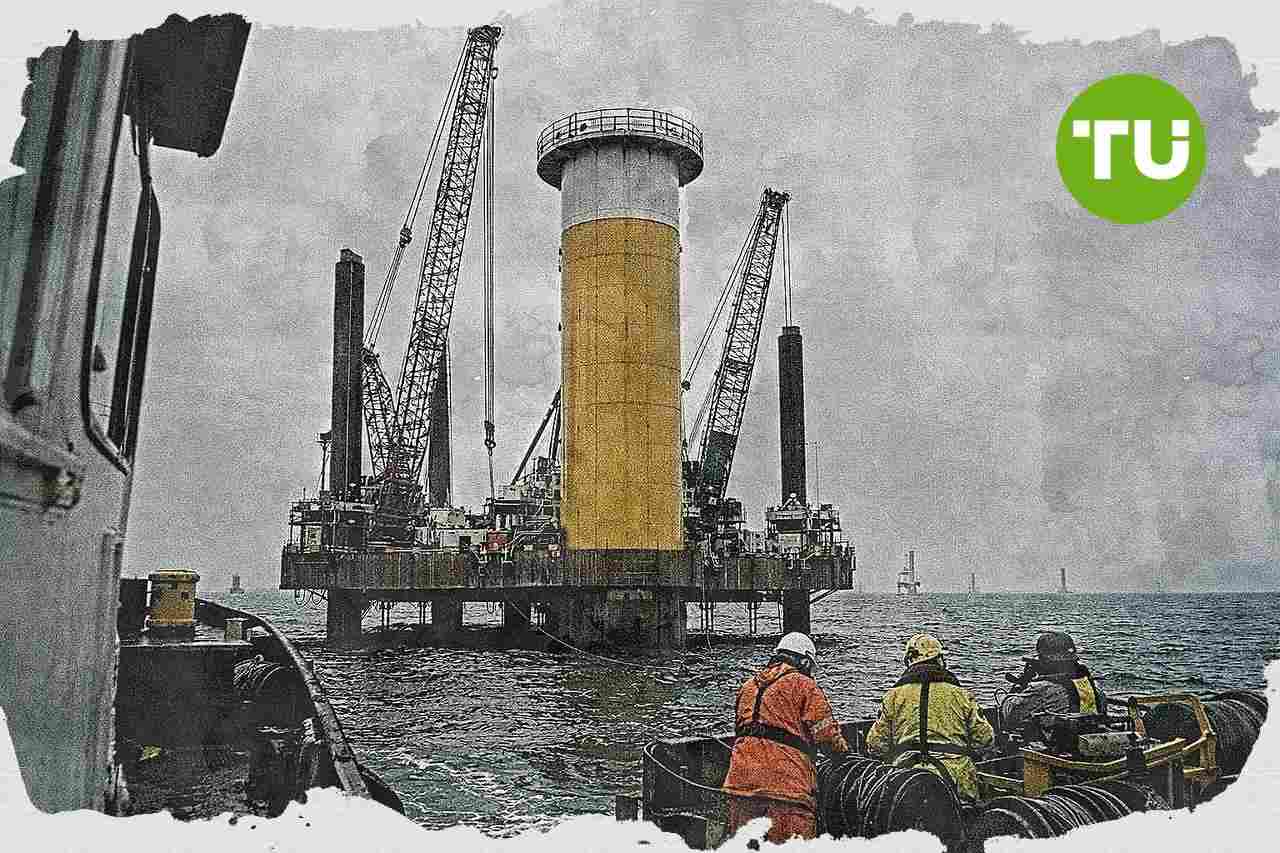
Britain's Crown Estate reports lower annual profit as income from offshore wind leases eases after an earlier surge from a major auction round. The drop reduces the amount transferred to the UK Treasury for 2025/2026, while the estate says its underlying property operations and asset values continue to grow.
Highlights
- The Crown Estate's annual net operating profit falls 13% to £1.245 billion as offshore wind lease income declines due to lower option fees.
- Future offshore wind leasing rounds are expected to generate lower option fees than the 2021 Round 4, reflecting increased development costs and challenging market conditions.
- The Treasury's payment from the Crown Estate drops to £487 million for 2025/2026, while the property portfolio valuation rises to £14.5 billion from £13.4 billion.
Annual results reflect lower wind lease fees
As reported by Reuters, the Crown Estate says annual net operating profit is £1.245 billion, down 13% from the previous year, mainly because revenue from offshore wind leases has fallen. The independently run commercial business manages King Charles' public property, including large land holdings and most of Britain's seabed.Most of the £875 million in profit comes from option fees linked to offshore wind leasing Round 4, which was held in 2021 and saw energy groups including Total and BP secure lease options to build wind farms. As operators move into the construction phase and pay smaller fees, revenue from those leases declines significantly from the previous year.
Chief Executive Dan Labbad says he expects option fees in future leasing rounds to be lower than in Round 4 because market conditions have changed sharply. He says the offshore wind sector is operating in a very different environment after development costs have risen since 2021.
Treasury payments and sector outlook
The Crown Estate hands most of its profits to the UK Treasury, and parliament then uses a formula based on Crown Estate revenue to determine funding for the royal family's official duties, with a two-year lag. For 2025/2026, the Treasury receives £487 million, down from about £1.1 billion a year earlier.Excluding the Round 4 fees, operating profit rises 5% to £370 million, while the property portfolio valuation increases to £14.5 billion from £13.4 billion a year earlier. Last year the Crown Estate receives powers to retain more of the money it generates for new investment, and in March it says it will hold another offshore wind leasing round next year.
The results also reflect broader pressure on the offshore wind industry, where project costs have surged and U.S. President Donald Trump has sought to halt development and criticised the technology. That backdrop points to a less lucrative auction environment for future seabed leasing even as the estate's core property business remains resilient.
Our earlier coverage of the Senate Banking Committee hearing on President Donald Trump’s oversight nominees focused on concerns about whether key economic and regulatory officials would act independently amid rising household costs. We noted that lawmakers questioned the nominees’ willingness to acknowledge inflation pressures and highlighted how leadership choices at the CEA, NCUA and HUD could influence affordability, consumer oversight and housing-market policy.





Latest UK News







-
 Afghanistan
-
 Albania
-
 Algeria
-
 Angola
-
 Argentina
-
 Armenia
-
 Australia
-
 Austria
-
 Azerbaijan
-
 Bahamas
-
 Bahrain
-
 Bangladesh
-
 Belarus
-
 Belgium
-
 Bolivia
-
 Botswana
-
 Brazil
-
 Brunei
-
 Bulgaria
-
 Cambodia
-
 Cameroon
-
 Canada
-
 Chile
Chile
-
 China
China
-
 Colombia
-
 Congo
Congo
-
 Costa Rica
-
 Cote d'Ivoire
-
 Croatia
-
 Cuba
Cuba
-
 Cyprus
-
 Czechia
-
 DR Congo
-
 Denmark
-
 Dominican Republic
-
 Ecuador
-
 Egypt
Egypt
-
 El Salvador
-
 Estonia
-
 Eswatini
-
 Ethiopia
-
 Finland
-
 France
-
 Georgia
-
 Germany
-
 Ghana
Ghana
-
 Greece
-
 Haiti
Haiti
-
 Hong Kong
-
 Hungary
-
 India
India
-
 Indonesia
-
 Iran, Islamic republic
-
 Iraq
Iraq
-
 Ireland
-
 Israel
-
 Italy
Italy
-
 Jamaica
-
 Japan
Japan
-
 Jordan
-
 Kazakhstan
-
 Kenya
Kenya
-
 Korea
Korea
-
 Kuwait
-
 Kyrgyzstan
-
 Laos
Laos
-
 Latvia
-
 Lebanon
-
 Lesotho
-
 Libya
Libya
-
 Lithuania
-
 Luxembourg
-
 Madagascar
-
 Malaysia
-
 Malta
Malta
-
 Mauritius
-
 Mexico
-
 Moldova
-
 Mongolia
-
 Montenegro
-
 Morocco
-
 Mozambique
-
 Myanmar
-
 Namibia
-
 Nepal
Nepal
-
 Netherlands
-
 New Zealand
-
 Nigeria
-
 North Macedonia
-
 Norway
-
 Oman
Oman
-
 Pakistan
-
 Palestine
-
 Panama
-
 Papua New Guinea
-
 Paraguay
-
 Peru
Peru
-
 Philippines
-
 Poland
-
 Portugal
-
 Puerto Rico
-
 Qatar
Qatar
-
 Reunion
-
 Romania
-
 Rwanda
-
 Saudi Arabia
-
 Serbia
-
 Singapore
-
 Slovakia
-
 Slovenia
-
 Somalia
-
 South Africa
-
 Spain
Spain
-
 Sri Lanka
-
 Sweden
-
 Switzerland
-
 Syria
Syria
-
 Taiwan
-
 Tajikistan
-
 Tanzania
-
 Thailand
-
 Trinidad and Tobago
-
 Tunisia
-
 Turkey
-
 UAE
UAE
-
 Uganda
-
 Ukraine
-
 United Kingdom
-
United States
-
 Uruguay
-
 Uzbekistan
-
 Venezuela
-
 Vietnam
-
 Yemen
Yemen
-
 Zambia
-
 Zimbabwe
- Forex
- Crypto











