
SARB may cut interest rates to 7% as U.S. tariffs loom
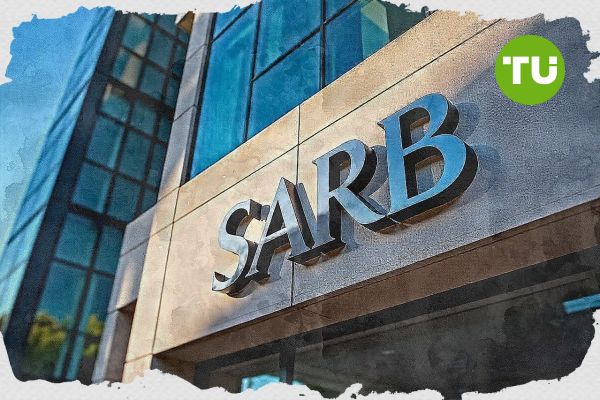
The South African Reserve Bank (SARB) is expected to cut interest rates for the second consecutive time this year, extending its longest easing cycle since 2019. This decision may come as the country braces for the impact of stricter U.S. trade tariffs, which are expected to add further pressure on South Africa’s already struggling economy.
In a Bloomberg survey, the majority of economists expect Governor Lesetja Kganyago to announce a reduction in the benchmark interest rate to 7% from 7.25%. Traders are pricing in an 84% chance of a quarter-point cut. The monetary policy committee, a six-member body, is also expected to be unanimous in its decision to lower the rates, signaling a broad consensus on the need for further easing.
Economic impact of trade tariffs and SARB’s response
The anticipated rate cut is seen as a response to South Africa's sluggish economic growth and the heightened risk posed by the U.S. tariffs, which could stifle international trade and dampen investor sentiment. While the tariff details are still awaited, economists are watching closely as the U.S. tariffs are expected to exacerbate challenges in the South African economy, particularly in terms of inflation and consumer spending.
This expected easing comes after months of concerns about the country’s weak growth prospects, with inflation remaining relatively high, despite some easing in recent months. Lower interest rates could provide temporary relief to consumers and businesses, making credit more affordable and stimulating spending and investment.
What’s next for South Africa’s economy
As South Africa prepares for these critical tariff changes and the interest rate decision, the economic outlook remains uncertain. The SARB's actions will likely play a crucial role in mitigating some of the negative effects of global trade disruptions. Still, experts remain cautious about the long-term effects on the broader economy.
South Africa’s central bank is likely to continue its vigilant stance, monitoring global trade developments, inflation trends, and domestic growth indicators to adapt its policies moving forward. The tariff developments, combined with the interest rate adjustment, will likely shape the trajectory of South Africa’s economic recovery in the second half of 2025.
South Africa’s SARB is set to cut interest rates to 7%, responding to U.S. trade tariffs and domestic growth struggles. The expected move comes as the economy faces mounting pressures, and analysts are keeping a close eye on the impact of the U.S. tariffs on local trade and inflation.
We wrote earlier that South Africa seeks trade deal with U.S. ahead of August 1 tariff deadline.





Latest South Africa News








-
 Afghanistan
-
 Albania
-
 Algeria
-
 Angola
-
 Argentina
-
 Armenia
-
 Australia
-
 Austria
-
 Azerbaijan
-
 Bahamas
-
 Bahrain
-
 Bangladesh
-
 Belarus
-
 Belgium
-
 Bolivia
-
 Botswana
-
 Brazil
-
 Brunei
-
 Bulgaria
-
 Cambodia
-
 Cameroon
-
 Canada
-
 Chile
Chile
-
 China
China
-
 Colombia
-
 Congo
Congo
-
 Costa Rica
-
 Cote d'Ivoire
-
 Croatia
-
 Cuba
Cuba
-
 Cyprus
-
 Czechia
-
 DR Congo
-
 Denmark
-
 Dominican Republic
-
 Ecuador
-
 Egypt
Egypt
-
 El Salvador
-
 Estonia
-
 Eswatini
-
 Ethiopia
-
 Finland
-
 France
-
 Georgia
-
 Germany
-
 Ghana
Ghana
-
 Greece
-
 Haiti
Haiti
-
 Hong Kong
-
 Hungary
-
 India
India
-
 Indonesia
-
 Iran, Islamic republic
-
 Iraq
Iraq
-
 Ireland
-
 Israel
-
 Italy
Italy
-
 Jamaica
-
 Japan
Japan
-
 Jordan
-
 Kazakhstan
-
 Kenya
Kenya
-
 Korea
Korea
-
 Kuwait
-
 Kyrgyzstan
-
 Laos
Laos
-
 Latvia
-
 Lebanon
-
 Lesotho
-
 Libya
Libya
-
 Lithuania
-
 Luxembourg
-
 Madagascar
-
 Malaysia
-
 Malta
Malta
-
 Mauritius
-
 Mexico
-
 Moldova
-
 Mongolia
-
 Montenegro
-
 Morocco
-
 Mozambique
-
 Myanmar
-
 Namibia
-
 Nepal
Nepal
-
 Netherlands
-
 New Zealand
-
 Nigeria
-
 North Macedonia
-
 Norway
-
 Oman
Oman
-
 Pakistan
-
 Palestine
-
 Panama
-
 Papua New Guinea
-
 Paraguay
-
 Peru
Peru
-
 Philippines
-
 Poland
-
 Portugal
-
 Puerto Rico
-
 Qatar
Qatar
-
 Reunion
-
 Romania
-
 Rwanda
-
 Saudi Arabia
-
 Serbia
-
 Singapore
-
 Slovakia
-
 Slovenia
-
 Somalia
-
 South Africa
-
 Spain
Spain
-
 Sri Lanka
-
 Sweden
-
 Switzerland
-
 Syria
Syria
-
 Taiwan
-
 Tajikistan
-
 Tanzania
-
 Thailand
-
 Trinidad and Tobago
-
 Tunisia
-
 Turkey
-
 UAE
UAE
-
 Uganda
-
 Ukraine
-
 United Kingdom
-
United States
-
 Uruguay
-
 Uzbekistan
-
 Venezuela
-
 Vietnam
-
 Yemen
Yemen
-
 Zambia
-
 Zimbabwe
- Forex
- Crypto












