
UK government cuts VAT on household electricity bills from October
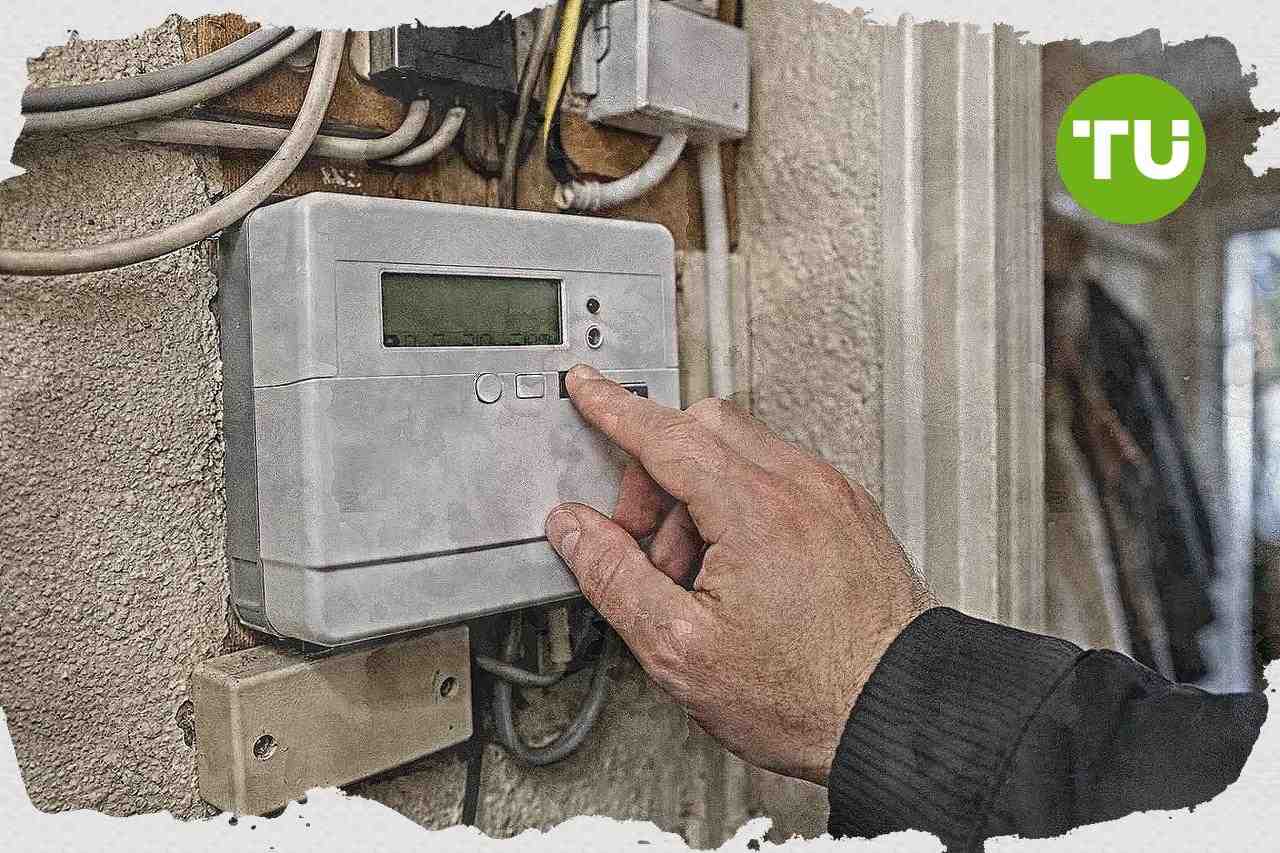
Ahead of the next Ofgem price cap, the UK government is removing VAT from domestic electricity bills from October 1 to ease pressure on household budgets this winter. The measure lowers the tax rate from 5% to 0% for this financial year and is expected to reduce the annual price cap by about £45.
Highlights
- UK government will cut VAT on household electricity bills from October, funding the measure this year by cancelling the £1.8 billion Digital ID programme.
- The VAT reduction is expected to lower CPI inflation by 0.10 percentage points and RPI by 0.14 percentage points, directly benefiting consumers and small businesses.
- The policy, estimated to cost £850 million in 2026-27 based on projected electricity prices, will also provide comparable funding for the Northern Ireland Executive.
Tax cut funded for current financial year
As reported by GOV.UK, the government says the VAT cut on household electricity bills takes effect in time to feed through to the next Ofgem price cap and forms part of its immediate response to living-cost pressures.The measure is funded for this financial year through the cancellation of the £1.8 billion Digital ID programme. The government says any further action, including longer-term funding decisions, will be taken at the Budget alongside an Office for Budget Responsibility forecast and must remain consistent with its fiscal rules.
Suppliers are expected to pass the VAT reduction on to all customers, including those on fixed tariffs, as happened with the £150 reduction in energy bill costs announced at the last Budget.
Inflation and wider support effects
The government says the change is expected to reduce CPI inflation by around 0.10 percentage points and RPI by around 0.14 percentage points, while extending support to more consumers by focusing on electricity bills.Small businesses that qualify for domestic energy VAT relief and are not registered for VAT, as well as charities and residential care homes eligible for the reduced rate, also benefit. The Northern Ireland Executive will receive comparable funding to support households with the cost of living, with the policy estimated to cost around £850 million in 2026-27 based on estimated electricity prices; updated costs are due at the Budget.
In our earlier article on the UK’s tightening fiscal headroom ahead of the next Budget, we explained how higher borrowing costs and fresh spending pressures were narrowing the scope for new support measures. We also noted that with limited tax-room under existing fiscal rules, the government would need to make difficult trade-offs on how to fund priorities such as defence and cost-of-living relief.


Latest OFSI News







-
 Afghanistan
-
 Albania
-
 Algeria
-
 Angola
-
 Argentina
-
 Armenia
-
 Australia
-
 Austria
-
 Azerbaijan
-
 Bahamas
-
 Bahrain
-
 Bangladesh
-
 Belarus
-
 Belgium
-
 Bolivia
-
 Botswana
-
 Brazil
-
 Brunei
-
 Bulgaria
-
 Cambodia
-
 Cameroon
-
 Canada
-
 Chile
Chile
-
 China
China
-
 Colombia
-
 Congo
Congo
-
 Costa Rica
-
 Cote d'Ivoire
-
 Croatia
-
 Cuba
Cuba
-
 Cyprus
-
 Czechia
-
 DR Congo
-
 Denmark
-
 Dominican Republic
-
 Ecuador
-
 Egypt
Egypt
-
 El Salvador
-
 Estonia
-
 Eswatini
-
 Ethiopia
-
 Finland
-
 France
-
 Georgia
-
 Germany
-
 Ghana
Ghana
-
 Greece
-
 Haiti
Haiti
-
 Hong Kong
-
 Hungary
-
 India
India
-
 Indonesia
-
 Iran, Islamic republic
-
 Iraq
Iraq
-
 Ireland
-
 Israel
-
 Italy
Italy
-
 Jamaica
-
 Japan
Japan
-
 Jordan
-
 Kazakhstan
-
 Kenya
Kenya
-
 Korea
Korea
-
 Kuwait
-
 Kyrgyzstan
-
 Laos
Laos
-
 Latvia
-
 Lebanon
-
 Lesotho
-
 Libya
Libya
-
 Lithuania
-
 Luxembourg
-
 Madagascar
-
 Malaysia
-
 Malta
Malta
-
 Mauritius
-
 Mexico
-
 Moldova
-
 Mongolia
-
 Montenegro
-
 Morocco
-
 Mozambique
-
 Myanmar
-
 Namibia
-
 Nepal
Nepal
-
 Netherlands
-
 New Zealand
-
 Nigeria
-
 North Macedonia
-
 Norway
-
 Oman
Oman
-
 Pakistan
-
 Palestine
-
 Panama
-
 Papua New Guinea
-
 Paraguay
-
 Peru
Peru
-
 Philippines
-
 Poland
-
 Portugal
-
 Puerto Rico
-
 Qatar
Qatar
-
 Reunion
-
 Romania
-
 Rwanda
-
 Saudi Arabia
-
 Serbia
-
 Singapore
-
 Slovakia
-
 Slovenia
-
 Somalia
-
 South Africa
-
 Spain
Spain
-
 Sri Lanka
-
 Sweden
-
 Switzerland
-
 Syria
Syria
-
 Taiwan
-
 Tajikistan
-
 Tanzania
-
 Thailand
-
 Trinidad and Tobago
-
 Tunisia
-
 Turkey
-
 UAE
UAE
-
 Uganda
-
 Ukraine
-
 United Kingdom
-
United States
-
 Uruguay
-
 Uzbekistan
-
 Venezuela
-
 Vietnam
-
 Yemen
Yemen
-
 Zambia
-
 Zimbabwe
- Forex
- Crypto












