
Asian and European stocks jump as oil falls 13%

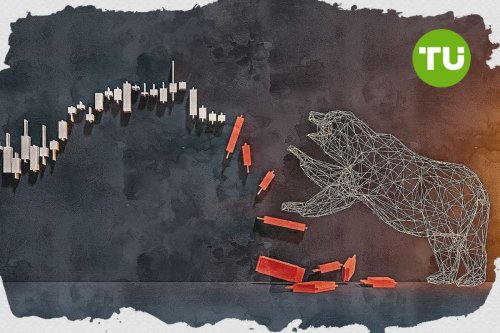
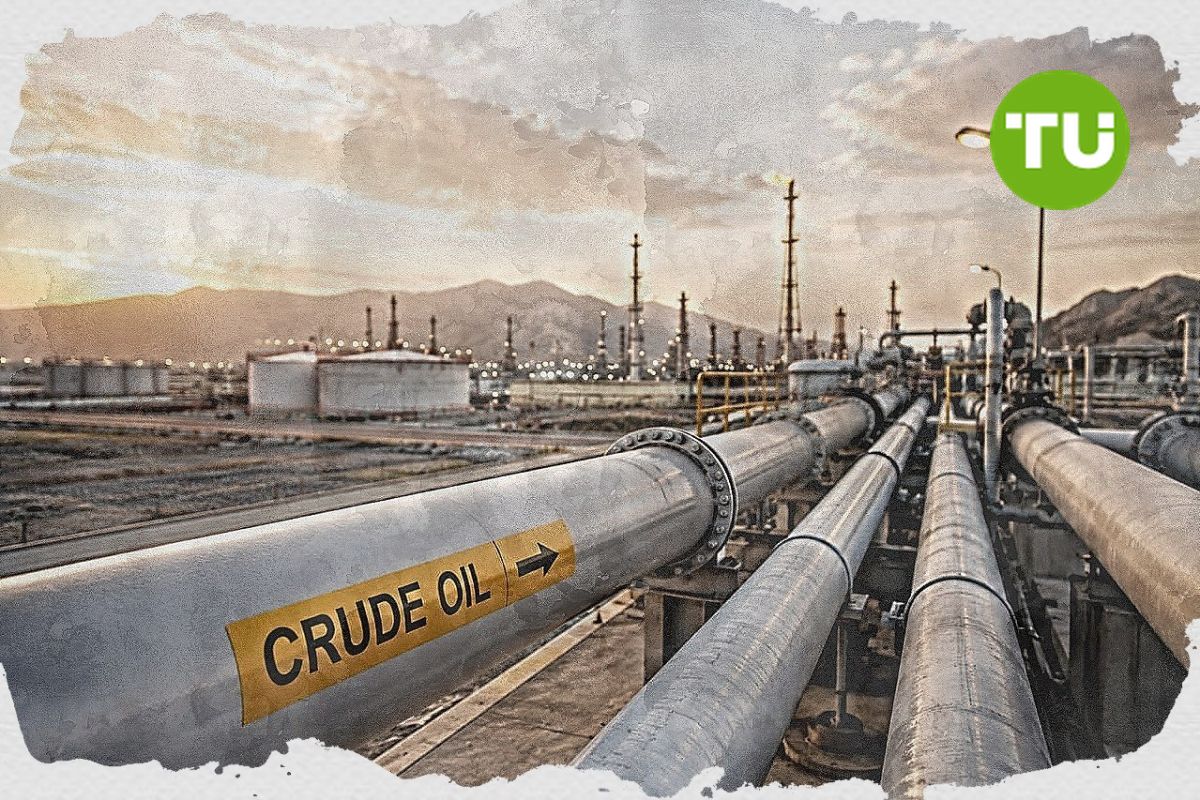
Asian and European stock markets surged on Wednesday after the United States and Iran agreed to a two-week ceasefire. The main trigger was an equally sharp drop in oil prices: Brent fell about 13.5% to $94.56 a barrel, while WTI lost roughly 14% to 15%, dropping to the $95.7-$96.5 range.
Highlights
- Brent fell about 13.5% to $94.56, while WTI dropped roughly 14% to 15% into the $95.7-$96.5 range.
- In Asia, the Kospi led with a 6.9% gain, while in Europe the DAX rose 4.7%.
- The market is buying the de-escalation, but still sees the ceasefire as temporary and is closely watching the Strait of Hormuz and the talks in Islamabad.
According to Bitcoin.com, the market reacted the way it usually does to de-escalation in the Middle East: the energy risk premium eased, and investors moved back into equities, especially in countries and sectors that are sensitive to fuel prices.
Oil down, stocks up
In Asia, South Korea Kospi posted the strongest gain, rising 6.9% to close at 5,872.34 points. Japan Nikkei 225 climbed 5.4%, the Hang Seng added 3.1%, the Shanghai Composite rose 2.7%, and Australia S&P/ASX 200 gained 2.6%. Europe also saw broad-based gains: the DAX rose as much as 4.7%, the CAC 40 nearly 4%, the FTSE 100 between 2.3% and 2.5%, while the pan-European Stoxx 600 advanced 3.6%, marking its best day in about a year.
The rally was especially strong in industries that suffer most from expensive energy. Shares of airlines and travel operators jumped sharply in Europe: Lufthansa rose 11.5%, IAG gained 9%, and TUI added 11.6%. At the same time, the oil and gas sector moved the other way: BP was down 7.5% and Shell fell 6.8%, since a collapse in crude prices means pressure on future revenue for energy producers.
The main driver is Hormuz and a pause in the conflict
The U.S.-Iran agreement includes a two-week ceasefire and the reopening of the strait, through which about one-fifth of global oil supplies pass. Pakistan played a mediating role in the talks: Prime Minister Shehbaz Sharif asked Donald Trump to extend the deadline by another two weeks, and follow-up US-Iran talks are expected to take place in Islamabad.
It was the prospect of shipping resuming through the strait that immediately eased some of the inflation and logistics fears that had been weighing on markets in recent weeks. Against that backdrop, bond yields fell, the dollar weakened, and investors began buying cyclical stocks again. But even after the collapse in oil prices, they remain well above prewar levels: MarketWatch notes that Brent is still about one-third above its level before the conflict began, while WTI remains more than 40% higher.
What the next two weeks will show
Sentiment is not celebratory but cautiously optimistic: the ceasefire is limited to two weeks, and investors will be watching whether traffic through Hormuz normalizes and whether the pause leads to a more lasting peace.
For investors, today rally matters above all as a reminder that in 2026, stock prices in Asia and Europe are still shaped not only by corporate earnings and central bank rates, but also by whether this geopolitical pause on one of the world most critical energy routes proves durable.
It was earlier reported that oil slips below $100 as U.S.-Iran pause cools tensions.




Latest Nikkei 225 News








-
 Afghanistan
-
 Albania
-
 Algeria
-
 Angola
-
 Argentina
-
 Armenia
-
 Australia
-
 Austria
-
 Azerbaijan
-
 Bahamas
-
 Bahrain
-
 Bangladesh
-
 Belarus
-
 Belgium
-
 Bolivia
-
 Botswana
-
 Brazil
-
 Brunei
-
 Bulgaria
-
 Cambodia
-
 Cameroon
-
 Canada
-
 Chile
Chile
-
 China
China
-
 Colombia
-
 Congo
Congo
-
 Costa Rica
-
 Cote d'Ivoire
-
 Croatia
-
 Cuba
Cuba
-
 Cyprus
-
 Czechia
-
 DR Congo
-
 Denmark
-
 Dominican Republic
-
 Ecuador
-
 Egypt
Egypt
-
 El Salvador
-
 Estonia
-
 Eswatini
-
 Ethiopia
-
 Finland
-
 France
-
 Georgia
-
 Germany
-
 Ghana
Ghana
-
 Greece
-
 Haiti
Haiti
-
 Hong Kong
-
 Hungary
-
 India
India
-
 Indonesia
-
 Iran, Islamic republic
-
 Iraq
Iraq
-
 Ireland
-
 Israel
-
 Italy
Italy
-
 Jamaica
-
 Japan
Japan
-
 Jordan
-
 Kazakhstan
-
 Kenya
Kenya
-
 Korea
Korea
-
 Kuwait
-
 Kyrgyzstan
-
 Laos
Laos
-
 Latvia
-
 Lebanon
-
 Lesotho
-
 Libya
Libya
-
 Lithuania
-
 Luxembourg
-
 Madagascar
-
 Malaysia
-
 Malta
Malta
-
 Mauritius
-
 Mexico
-
 Moldova
-
 Mongolia
-
 Montenegro
-
 Morocco
-
 Mozambique
-
 Myanmar
-
 Namibia
-
 Nepal
Nepal
-
 Netherlands
-
 New Zealand
-
 Nigeria
-
 North Macedonia
-
 Norway
-
 Oman
Oman
-
 Pakistan
-
 Palestine
-
 Panama
-
 Papua New Guinea
-
 Paraguay
-
 Peru
Peru
-
 Philippines
-
 Poland
-
 Portugal
-
 Puerto Rico
-
 Qatar
Qatar
-
 Reunion
-
 Romania
-
 Rwanda
-
 Saudi Arabia
-
 Serbia
-
 Singapore
-
 Slovakia
-
 Slovenia
-
 Somalia
-
 South Africa
-
 Spain
Spain
-
 Sri Lanka
-
 Sweden
-
 Switzerland
-
 Syria
Syria
-
 Taiwan
-
 Tajikistan
-
 Tanzania
-
 Thailand
-
 Trinidad and Tobago
-
 Tunisia
-
 Turkey
-
 UAE
UAE
-
 Uganda
-
 Ukraine
-
 United Kingdom
-
United States
-
 Uruguay
-
 Uzbekistan
-
 Venezuela
-
 Vietnam
-
 Yemen
Yemen
-
 Zambia
-
 Zimbabwe
- Forex
- Crypto











