Alexander Stahel Biography, Career, Net Worth, and Key Insight


Alexander Stahel’s Profile Summary
|
Company
|
Commodity Private Equity Fund |
|---|---|
|
Position
|
Founder / CIO |
|
Source of wealth
|
Private equity investments, energy sector holdings, portfolio management through Burggraben Holding, and consulting services. |
|
Also known as
|
Industrial strategist |
|
Age
|
56 |
|
Education
|
Master’s degree in Mechanical Engineering from ETH Zurich (ETH Zurich, 1990–1995) |
|
Citizenship
|
Switzerland |
|
Residence
|
Zug, Switzerland |
|
Family
|
Not publicly disclosed |
|
Website, Social Media
|
https://x.com/BurggrabenH |
Biography
Alexander Stahel is a Swiss investor, energy strategist, and portfolio manager best known as the founder and Chief Investment Officer of Burggraben Holding AG, an investment firm focused on long-term value creation in the energy and industrial sectors. Born in Switzerland in the early 1970s, Stahel earned his master’s degree in mechanical engineering from the Swiss Federal Institute of Technology (ETH Zurich) before pursuing a career that merged his technical expertise with financial and strategic analysis. His engineering background provided him with a deep understanding of industrial systems, resource economics, and energy production.Stahel began his professional career in the late 1990s, working in private equity and industrial investment roles across Europe. Over time, he developed a focus on the intersection of technology, energy, and capital markets, identifying opportunities in underappreciated cyclical industries. He founded Burggraben Holding in 2014, with the goal of building a research-driven, long-term investment platform emphasizing operational excellence, sustainability, and disciplined capital allocation. His firm is particularly known for its in-depth analysis of global energy transitions and the dynamics between traditional hydrocarbons and renewable technologies.
Beyond his investment work, Stahel is a frequent commentator on global energy markets, resource scarcity, and geopolitical shifts. He regularly shares insights through research papers, interviews, and social media, offering perspectives on how macroeconomic policy and technological innovation influence the energy landscape. His commentary blends technical precision with strategic foresight, appealing to both institutional investors and policymakers.
Through his contributions to energy investing, macro analysis, and thought leadership, Alexander Stahel has become a well-known figure in the international investment and energy strategy community. His recognition stems from his analytical approach and independent insights, though he is not regarded as an authoritative or dominant voice in the broader financial industry.
-
How did Alexander Stahel make money?
Alexander Stahel makes money in the following areas:
Private equity investments, energy sector holdings, portfolio management through Burggraben Holding, and consulting services.
What is Alexander Stahel also known as?
Alexander Stahel is known as a Swiss energy investor, industrial strategist, and co-founder of Burggraben Holding AG. He is recognized for his research-driven investment approach and his focus on long-term value creation within energy and industrial sectors. Stahel often engages in public discussions about global energy transitions, sustainability, and capital discipline in resource allocation, contributing to thought leadership in the field.Prominent achievements
Founder and CIO of Burggraben Holding AGFocused on value investing in the energy sector
Known for in-depth commodity market analysis
X (Twitter) followers: ~111.6K+
Trading Strategy
Long-term fundamental investing in energy and industrial sectors
What are Alexander Stahel’s key insights?
Alexander Stahel’s business philosophy centers on long-term value creation through deep research, operational understanding, and sustainability in industrial and energy investments. He believes that combining engineering insight with financial discipline allows for superior capital allocation. Stahel advocates for patient investing in businesses with structural advantages and strong governance, often within cyclical sectors. His insights emphasize the need for foresight in navigating global energy transitions while maintaining a pragmatic, data-driven approach to value investing.
Personal life
Not publicly disclosed
Latest Alexander Stahel News
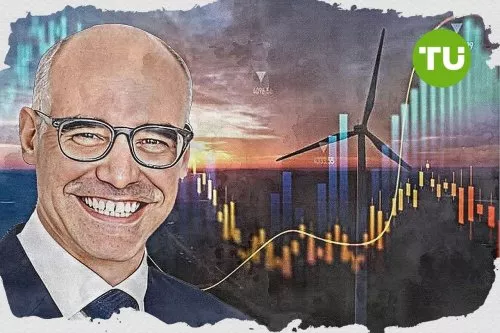
Alexander Stahel: China faces unprecedented balance sheet recession affecting households and companies
Financial markets brace for volatility, Alexander Stahel warns
Alexander Stahel: Middle East oil freight costs reach $30 a barrel
$28 pricing to hire ships for Basrah Heavy pickup, Alexander Stahel notes
Alexander Stahel: Poland enacts energy windfall tax as Europe faces refining shortfall
Iran set to lose most oil income by December, Alexander Stahel predicts
Other profiles in category
Editors' Top Picks and Insights




Popular Financial Guides

-
 Afghanistan
-
 Albania
-
 Algeria
-
 Angola
-
 Argentina
-
 Armenia
-
 Australia
-
 Austria
-
 Azerbaijan
-
 Bahamas
-
 Bahrain
-
 Bangladesh
-
 Belarus
-
 Belgium
-
 Bolivia
-
 Botswana
-
 Brazil
-
 Brunei
-
 Bulgaria
-
 Cambodia
-
 Cameroon
-
 Canada
-
 Chile
Chile
-
 China
China
-
 Colombia
-
 Congo
Congo
-
 Costa Rica
-
 Cote d'Ivoire
-
 Croatia
-
 Cuba
Cuba
-
 Cyprus
-
 Czechia
-
 DR Congo
-
 Denmark
-
 Dominican Republic
-
 Ecuador
-
 Egypt
Egypt
-
 El Salvador
-
 Estonia
-
 Eswatini
-
 Ethiopia
-
 Finland
-
 France
-
 Georgia
-
 Germany
-
 Ghana
Ghana
-
 Greece
-
 Haiti
Haiti
-
 Hong Kong
-
 Hungary
-
 India
India
-
 Indonesia
-
 Iran, Islamic republic
-
 Iraq
Iraq
-
 Ireland
-
 Israel
-
 Italy
Italy
-
 Jamaica
-
 Japan
Japan
-
 Jordan
-
 Kazakhstan
-
 Kenya
Kenya
-
 Korea
Korea
-
 Kuwait
-
 Kyrgyzstan
-
 Laos
Laos
-
 Latvia
-
 Lebanon
-
 Lesotho
-
 Libya
Libya
-
 Lithuania
-
 Luxembourg
-
 Madagascar
-
 Malaysia
-
 Malta
Malta
-
 Mauritius
-
 Mexico
-
 Moldova
-
 Mongolia
-
 Montenegro
-
 Morocco
-
 Mozambique
-
 Myanmar
-
 Namibia
-
 Nepal
Nepal
-
 Netherlands
-
 New Zealand
-
 Nigeria
-
 North Macedonia
-
 Norway
-
 Oman
Oman
-
 Pakistan
-
 Palestine
-
 Panama
-
 Papua New Guinea
-
 Paraguay
-
 Peru
Peru
-
 Philippines
-
 Poland
-
 Portugal
-
 Puerto Rico
-
 Qatar
Qatar
-
 Reunion
-
 Romania
-
 Rwanda
-
 Saudi Arabia
-
 Serbia
-
 Singapore
-
 Slovakia
-
 Slovenia
-
 Somalia
-
 South Africa
-
 Spain
Spain
-
 Sri Lanka
-
 Sweden
-
 Switzerland
-
 Syria
Syria
-
 Taiwan
-
 Tajikistan
-
 Tanzania
-
 Thailand
-
 Trinidad and Tobago
-
 Tunisia
-
 Turkey
-
 UAE
UAE
-
 Uganda
-
 Ukraine
-
 United Kingdom
-
United States
-
 Uruguay
-
 Uzbekistan
-
 Venezuela
-
 Vietnam
-
 Yemen
Yemen
-
 Zambia
-
 Zimbabwe
- Forex
- Crypto












