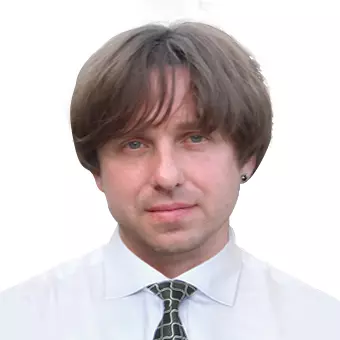
Ryan Shea Biography, Career, Net Worth, and Key Insight



Ryan Shea’s Profile Summary
|
Company
|
Opus Wallet |
|---|---|
|
Position
|
Founder and CEO |
|
Source of wealth
|
Co-founder of Stacks, angel investments in startups like OpenSea, CEO of Opus |
|
Also known as
|
Entrepreneur, Angel Investor, Founder of Opus |
|
Age
|
Unknown |
|
Education
|
Princeton University – studied Mechanical and Aerospace Engineering with a minor in Computer Science |
|
Citizenship
|
United States |
|
Residence
|
New York City, United States |
|
Family
|
Married to Melanie |
|
Website, Social Media
|
https://www.stacks.co/ |
Biography
Ryan Shea is an American entrepreneur, software engineer, and investor, primarily known for co-founding Stacks, a layer-2 blockchain platform for Bitcoin that enables smart contracts, decentralized finance (DeFi), and non-fungible tokens (NFTs). After earning a degree in Mechanical and Aerospace Engineering from Princeton University with a minor in Computer Science, Shea co-founded Blockstack (later renamed Stacks) in 2013. This project, designed to bring decentralized applications to Bitcoin, grew into a major player in the blockchain industry, achieving significant milestones like being the first SEC-approved token offering in 2019. In addition to his work at Stacks, Shea has also founded Opus, a company focused on simplifying cryptocurrency wallets, and has made angel investments in several unicorn startups, such as OpenSea and Anchorage. Shea is based in New York City and is deeply interested in philosophy, ideology, and technological advancements in crypto-
How did Ryan Shea make money?
Ryan Shea makes money in the following areas:
Co-founder of Stacks, angel investments in startups like OpenSea, CEO of Opus
-
What is Ryan Shea net worth?
As of 2026, there is no publicly available and reliable information regarding Ryan Shea’s net worth.
What is Ryan Shea also known as?
Ryan Shea has built a reputation beyond his work with Stacks as a serial entrepreneur and investor. In addition to co-founding Stacks, he is the founder and CEO of Opus, a company aiming to provide the world’s simplest cryptocurrency wallet. Shea is also an active angel investor, having contributed to the early growth of high-profile companies in the crypto space, including OpenSea and Anchorage. His interests extend into various philosophical domains, where he explores how ideology influences human behaviorProminent achievements
Co-founded Stacks, a top 100 cryptocurrency and the largest smart contract platform for Bitcoin, helped launch the first SEC-qualified token offering, founded Opus, invested in billion-dollar startups like OpenSeaWhat are Ryan Shea’s key insights?
Ryan Shea focuses on innovation and simplifying user experiences in blockchain technology. His philosophy centers on decentralization, privacy, and enabling user control over data. He believes in building products that empower individuals and businesses without relying on centralized platforms. Shea is also highly curious, advocating lifelong learning and exploration of how ideologies shape human behavior
Personal life
Ryan Shea is married to his wife Melanie; no further details about children or extended family are publicly available
Useful insights
Evaluate the team behind the project
If you’re interested in picking top crypto projects, learning from the experience of successful Crypto developers and Crypto Angel Investors can help you avoid common pitfalls. One of the key elements to consider when evaluating a crypto project is the team behind it. Here’s how to assess it effectively
-
Research the founders and developers
Crypto Angel Investors often stress the importance of knowing the people behind the project. A credible project usually has a transparent team with a strong background in blockchain technology or relevant industries. Make sure to look into their previous work, LinkedIn profiles, and their reputation in the crypto community.
-
Look for a track record of success
Many top Crypto Angel Investors, such as Anthony Pompliano, emphasize the value of a team's track record. If the developers or founders have successfully built or contributed to previous projects, it's a positive sign that they know how to deliver. Trustworthy teams are often recognized for their expertise and credibility in the space.
-
Assess transparency and communication
Good projects maintain transparent communication with their community, often using platforms like GitHub, Twitter, or Discord. If the team regularly updates their followers on milestones, developments, and challenges, it’s usually a sign of reliability. From my experience, projects with open lines of communication are more likely to succeed long-term.
Other profiles in category
Popular Crypto Guides
Editors' Top Picks and Insights

Aliens, Satoshi, and Bitcoin: How the extraterrestrial theory emerged

Blockchain nation in crisis: How a power struggle split Liberland

Shifting priorities: Governments back mining as businesses turn to AI
Intel's comeback: Apple, Trump and the AI bet

Bitcoin price prediction based on RSI: Is BTC poised for a new rally?

Toncoin becomes Gram: Why Durov restored token's original name
Latest Crypto News

Japan-linked crypto fraud network tied to fentanyl precursor case, Nikkei finds
DeXe price dips amid rising selling pressure

CME Group challenges CFTC approval of Kalshi perpetual futures in U.S. court

-
 Afghanistan
-
 Albania
-
 Algeria
-
 Angola
-
 Argentina
-
 Armenia
-
 Australia
-
 Austria
-
 Azerbaijan
-
 Bahamas
-
 Bahrain
-
 Bangladesh
-
 Belarus
-
 Belgium
-
 Bolivia
-
 Botswana
-
 Brazil
-
 Brunei
-
 Bulgaria
-
 Cambodia
-
 Cameroon
-
 Canada
-
 Chile
Chile
-
 China
China
-
 Colombia
-
 Congo
Congo
-
 Costa Rica
-
 Cote d'Ivoire
-
 Croatia
-
 Cuba
Cuba
-
 Cyprus
-
 Czechia
-
 DR Congo
-
 Denmark
-
 Dominican Republic
-
 Ecuador
-
 Egypt
Egypt
-
 El Salvador
-
 Estonia
-
 Eswatini
-
 Ethiopia
-
 Finland
-
 France
-
 Georgia
-
 Germany
-
 Ghana
Ghana
-
 Greece
-
 Haiti
Haiti
-
 Hong Kong
-
 Hungary
-
 India
India
-
 Indonesia
-
 Iran, Islamic republic
-
 Iraq
Iraq
-
 Ireland
-
 Israel
-
 Italy
Italy
-
 Jamaica
-
 Japan
Japan
-
 Jordan
-
 Kazakhstan
-
 Kenya
Kenya
-
 Korea
Korea
-
 Kuwait
-
 Kyrgyzstan
-
 Laos
Laos
-
 Latvia
-
 Lebanon
-
 Lesotho
-
 Libya
Libya
-
 Lithuania
-
 Luxembourg
-
 Madagascar
-
 Malaysia
-
 Malta
Malta
-
 Mauritius
-
 Mexico
-
 Moldova
-
 Mongolia
-
 Montenegro
-
 Morocco
-
 Mozambique
-
 Myanmar
-
 Namibia
-
 Nepal
Nepal
-
 Netherlands
-
 New Zealand
-
 Nigeria
-
 North Macedonia
-
 Norway
-
 Oman
Oman
-
 Pakistan
-
 Palestine
-
 Panama
-
 Papua New Guinea
-
 Paraguay
-
 Peru
Peru
-
 Philippines
-
 Poland
-
 Portugal
-
 Puerto Rico
-
 Qatar
Qatar
-
 Reunion
-
 Romania
-
 Rwanda
-
 Saudi Arabia
-
 Serbia
-
 Singapore
-
 Slovakia
-
 Slovenia
-
 Somalia
-
 South Africa
-
 Spain
Spain
-
 Sri Lanka
-
 Sweden
-
 Switzerland
-
 Syria
Syria
-
 Taiwan
-
 Tajikistan
-
 Tanzania
-
 Thailand
-
 Trinidad and Tobago
-
 Tunisia
-
 Turkey
-
 UAE
UAE
-
 Uganda
-
 Ukraine
-
 United Kingdom
-
United States
-
 Uruguay
-
 Uzbekistan
-
 Venezuela
-
 Vietnam
-
 Yemen
Yemen
-
 Zambia
-
 Zimbabwe
- Forex
- Crypto












