
U.S.-Iran talks set foundation for Hormuz reopening and conflict de-escalation
Fresh diplomacy between Washington and Tehran is focusing on energy security and regional stability as the Strait of Hormuz remains largely shut after more than 100 days of war. The talks come as President Donald Trump faces mounting pressure to curb high oil and petrol prices in the U.S. before November’s midterm elections.
Highlights
- U.S. Vice President JD Vance reports a 'successful foundation' set at Bürgenstock talks with Iran on reopening the Strait of Hormuz and de-escalating conflict.
- Iran agrees to demine and open main shipping lanes but re-closes the Strait of Hormuz on Saturday following Israeli attacks on Lebanon, with no new nuclear commitments.
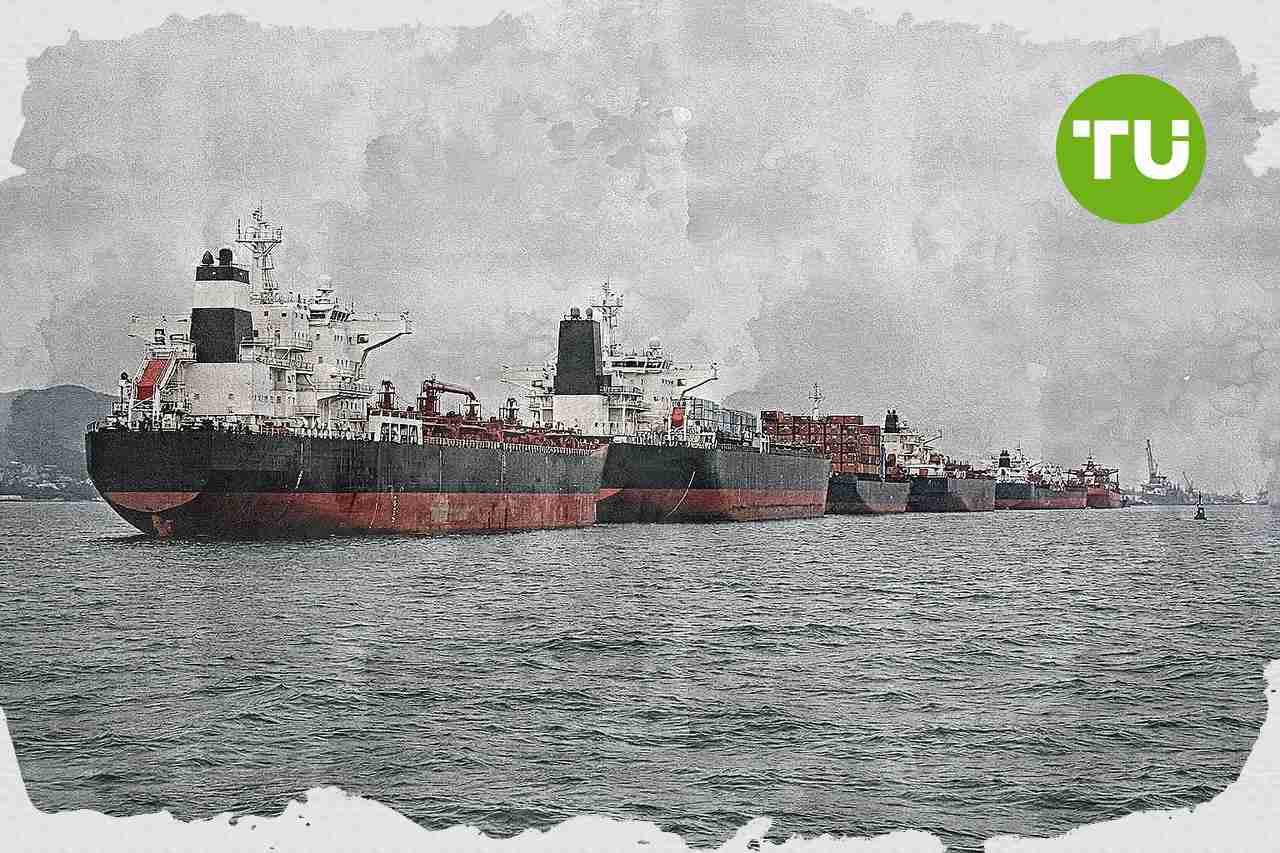
- 441 large tanker-sized vessels are waiting off Sohar and Fujairah as the closure maintains significant pressure on global shipping and energy markets.
Talks focus on shipping corridor and war
As reported by Financial Times, U.S. Vice President JD Vance says a “successful foundation” is set at the first round of high-level talks with Iran on Monday in Bürgenstock, where he is dispatched to pursue Washington’s main goals of reopening the Strait of Hormuz and ending the conflict.Vance says the discussions are centred on building a “mechanism” to keep the strait open and that progress is also made on ending the fighting between Israel and Hizbollah in Lebanon. “We set the foundation,” Vance tells reporters. “We haven’t built the house, but we’ve laid a successful foundation to get to a good place for the American people.”
Iran’s foreign ministry tells state news agency IRNA that Tehran “did not engage in negotiations regarding the nuclear file during the 18-hour talks and did not accept any new commitments.” Despite agreeing to open up and demine the main shipping lanes of the strait, Iran declares it closed again on Saturday following attacks by Israel on Lebanon.
Oil market pressure and vessel backlog
The state of the waterway is keeping pressure on global shipping and energy markets, with more than 400 large ships holding position off the eastern side of the strait as of Monday while they wait for a wider reopening.Financial Times analysis of European Space Agency satellite data counts 441 large tanker-sized vessels clustered off Sohar and Fujairah, the main ports on the eastern side. Several shipping companies say they are gathering vessels near the Gulf to take advantage of a full reopening once transit conditions improve.
In our earlier article on WTI’s decline as the Iran risk premium eased, we noted that the market was pricing in progress in U.S.–Iran talks and a potential pause in U.S. sanctions on Iranian crude. That outlook supported expectations of more Iranian barrels returning and an improvement in shipments through the Strait of Hormuz, even as falling U.S. inventories helped limit the downside.




Latest Iran war News







-
 Afghanistan
-
 Albania
-
 Algeria
-
 Angola
-
 Argentina
-
 Armenia
-
 Australia
-
 Austria
-
 Azerbaijan
-
 Bahamas
-
 Bahrain
-
 Bangladesh
-
 Belarus
-
 Belgium
-
 Bolivia
-
 Botswana
-
 Brazil
-
 Brunei
-
 Bulgaria
-
 Cambodia
-
 Cameroon
-
 Canada
-
 Chile
Chile
-
 China
China
-
 Colombia
-
 Congo
Congo
-
 Costa Rica
-
 Cote d'Ivoire
-
 Croatia
-
 Cuba
Cuba
-
 Cyprus
-
 Czechia
-
 DR Congo
-
 Denmark
-
 Dominican Republic
-
 Ecuador
-
 Egypt
Egypt
-
 El Salvador
-
 Estonia
-
 Eswatini
-
 Ethiopia
-
 Finland
-
 France
-
 Georgia
-
 Germany
-
 Ghana
Ghana
-
 Greece
-
 Haiti
Haiti
-
 Hong Kong
-
 Hungary
-
 India
India
-
 Indonesia
-
 Iran, Islamic republic
-
 Iraq
Iraq
-
 Ireland
-
 Israel
-
 Italy
Italy
-
 Jamaica
-
 Japan
Japan
-
 Jordan
-
 Kazakhstan
-
 Kenya
Kenya
-
 Korea
Korea
-
 Kuwait
-
 Kyrgyzstan
-
 Laos
Laos
-
 Latvia
-
 Lebanon
-
 Lesotho
-
 Libya
Libya
-
 Lithuania
-
 Luxembourg
-
 Madagascar
-
 Malaysia
-
 Malta
Malta
-
 Mauritius
-
 Mexico
-
 Moldova
-
 Mongolia
-
 Montenegro
-
 Morocco
-
 Mozambique
-
 Myanmar
-
 Namibia
-
 Nepal
Nepal
-
 Netherlands
-
 New Zealand
-
 Nigeria
-
 North Macedonia
-
 Norway
-
 Oman
Oman
-
 Pakistan
-
 Palestine
-
 Panama
-
 Papua New Guinea
-
 Paraguay
-
 Peru
Peru
-
 Philippines
-
 Poland
-
 Portugal
-
 Puerto Rico
-
 Qatar
Qatar
-
 Reunion
-
 Romania
-
 Rwanda
-
 Saudi Arabia
-
 Serbia
-
 Singapore
-
 Slovakia
-
 Slovenia
-
 Somalia
-
 South Africa
-
 Spain
Spain
-
 Sri Lanka
-
 Sweden
-
 Switzerland
-
 Syria
Syria
-
 Taiwan
-
 Tajikistan
-
 Tanzania
-
 Thailand
-
 Trinidad and Tobago
-
 Tunisia
-
 Turkey
-
 UAE
UAE
-
 Uganda
-
 Ukraine
-
 United Kingdom
-
United States
-
 Uruguay
-
 Uzbekistan
-
 Venezuela
-
 Vietnam
-
 Yemen
Yemen
-
 Zambia
-
 Zimbabwe
- Forex
- Crypto











