

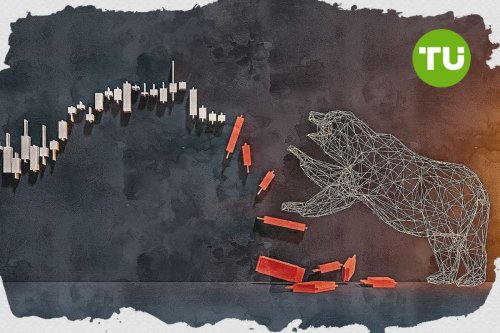
Zinc (ZS) is trading at $3,438, down 1.71% on the day and tracking lower amid subdued volatility. The asset remains below its short- and medium-term moving averages, but above a key long-term average.
 3441.06
3656.65
3441.06
3656.65
Highlights
- The US has started easing Iran sanctions as part of a diplomatic agreement, improving prospects for regional zinc exports.
- Increased zinc supply from the Middle East is likely to depress global prices and reshape short-term trade flows.
- ZS/USD faces near-term bearish momentum with a 75% probability of further declines into the 3,360–3,516 trading range.
US sanctions easing boosts zinc supply as Middle East tensions ease
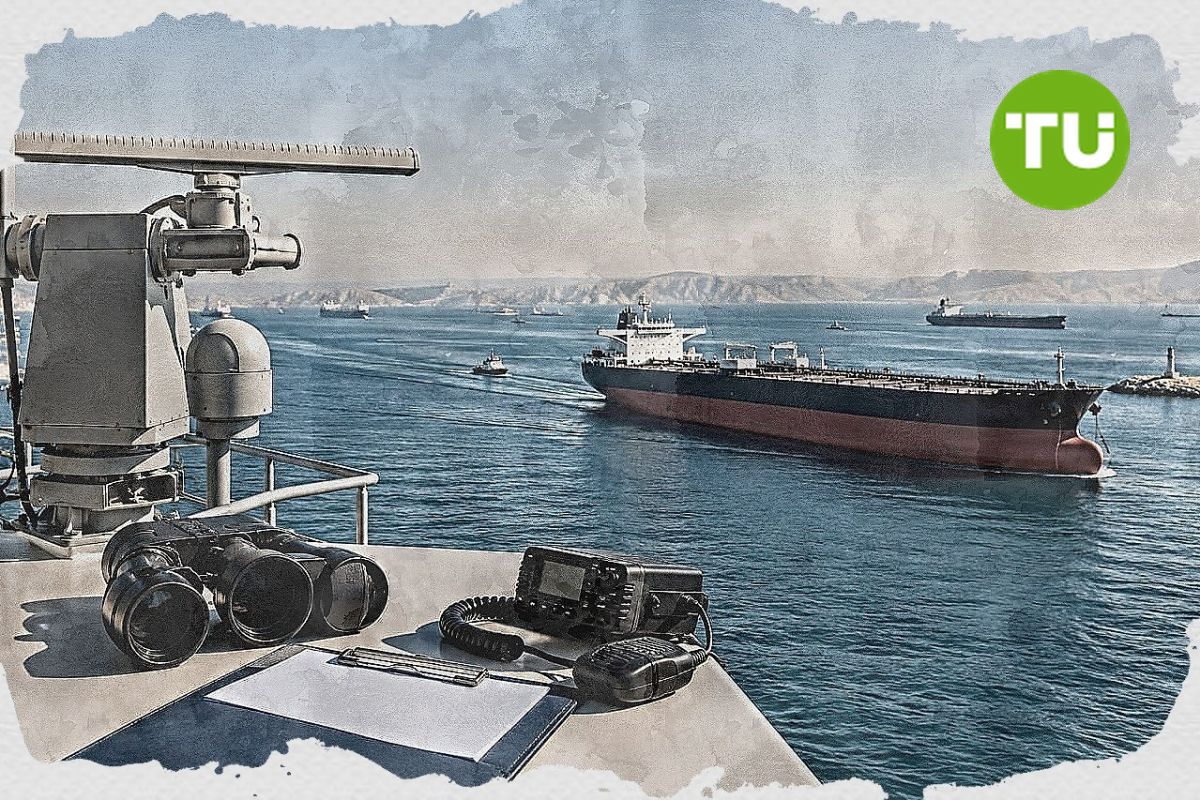
On June 22, 2026, the US Treasury Department’s Office of Foreign Assets Control began to relax US sanctions, marking the first phase of the US-Iran Memorandum of Understanding to resolve recent Middle Eastern hostilities, according to Sanctionsnews Bakermckenzie. The easing of sanctions is expected to improve trade flows and expand market access for zinc, enabling greater supply from the region. This development introduces additional near-term supply to the global market, exerting pressure on prices in the current trading environment.
Downside momentum dominates as ZS tests resistance below key averages
On the H4 chart, ZS is trading below the MA-20 at $3,548 and the MA-50 at $3,574, but remains above the daily MA-200 at $3,268. The Ichimoku Kijun level on the daily timeframe sits at $3,563, acting as immediate resistance. Short-term technical indicators show momentum signals to the downside: MACD is on Sell, RSI is at 35.36, CCI is on Sell, and BBP signals an oversold market, while both ADX and Stoch RSI are Neutral and AO is also Neutral. Sellers dominate intraday momentum as reflected by BBP.
Consolidation likely as breakout risks skew toward downside
Over the next 2–3 trading days, ZS is expected to trade within the $3,360 to $3,516 range, representing a typical volatility band relative to current levels. The probability for an upward breakout stands at 25%, while downside continuation is more likely at 75%. The baseline scenario sees the price consolidating within this corridor, with a bullish scenario triggered by a break above resistance and a bearish scenario following a breach of support.
Earlier, analysts noted that robust cross-border trade agreements and the easing of international barriers have played a significant role in supporting commodities markets and facilitating market access. The recent relaxation of U.S. sanctions under the US-Iran Memorandum of Understanding adds a new supply-side dimension for zinc, heightening near-term downside risks and making support at the daily MA-200 a critical level for traders to monitor.




Latest Soybeans News







-
 Afghanistan
-
 Albania
-
 Algeria
-
 Angola
-
 Argentina
-
 Armenia
-
 Australia
-
 Austria
-
 Azerbaijan
-
 Bahamas
-
 Bahrain
-
 Bangladesh
-
 Belarus
-
 Belgium
-
 Bolivia
-
 Botswana
-
 Brazil
-
 Brunei
-
 Bulgaria
-
 Cambodia
-
 Cameroon
-
 Canada
-
 Chile
Chile
-
 China
China
-
 Colombia
-
 Congo
Congo
-
 Costa Rica
-
 Cote d'Ivoire
-
 Croatia
-
 Cuba
Cuba
-
 Cyprus
-
 Czechia
-
 DR Congo
-
 Denmark
-
 Dominican Republic
-
 Ecuador
-
 Egypt
Egypt
-
 El Salvador
-
 Estonia
-
 Eswatini
-
 Ethiopia
-
 Finland
-
 France
-
 Georgia
-
 Germany
-
 Ghana
Ghana
-
 Greece
-
 Haiti
Haiti
-
 Hong Kong
-
 Hungary
-
 India
India
-
 Indonesia
-
 Iran, Islamic republic
-
 Iraq
Iraq
-
 Ireland
-
 Israel
-
 Italy
Italy
-
 Jamaica
-
 Japan
Japan
-
 Jordan
-
 Kazakhstan
-
 Kenya
Kenya
-
 Korea
Korea
-
 Kuwait
-
 Kyrgyzstan
-
 Laos
Laos
-
 Latvia
-
 Lebanon
-
 Lesotho
-
 Libya
Libya
-
 Lithuania
-
 Luxembourg
-
 Madagascar
-
 Malaysia
-
 Malta
Malta
-
 Mauritius
-
 Mexico
-
 Moldova
-
 Mongolia
-
 Montenegro
-
 Morocco
-
 Mozambique
-
 Myanmar
-
 Namibia
-
 Nepal
Nepal
-
 Netherlands
-
 New Zealand
-
 Nigeria
-
 North Macedonia
-
 Norway
-
 Oman
Oman
-
 Pakistan
-
 Palestine
-
 Panama
-
 Papua New Guinea
-
 Paraguay
-
 Peru
Peru
-
 Philippines
-
 Poland
-
 Portugal
-
 Puerto Rico
-
 Qatar
Qatar
-
 Reunion
-
 Romania
-
 Rwanda
-
 Saudi Arabia
-
 Serbia
-
 Singapore
-
 Slovakia
-
 Slovenia
-
 Somalia
-
 South Africa
-
 Spain
Spain
-
 Sri Lanka
-
 Sweden
-
 Switzerland
-
 Syria
Syria
-
 Taiwan
-
 Tajikistan
-
 Tanzania
-
 Thailand
-
 Trinidad and Tobago
-
 Tunisia
-
 Turkey
-
 UAE
UAE
-
 Uganda
-
 Ukraine
-
 United Kingdom
-
United States
-
 Uruguay
-
 Uzbekistan
-
 Venezuela
-
 Vietnam
-
 Yemen
Yemen
-
 Zambia
-
 Zimbabwe
- Forex
- Crypto











