

Philippines fuel retailers raise gasoline prices, cut diesel and kerosene this week

Philippine motorists face another mixed round of pump price adjustments this week as gasoline reverses two straight weeks of rollbacks while diesel and kerosene move lower. The changes come as global oil market volatility linked to Middle East developments continues to reshape supply expectations and regional refining economics.
Highlights
- Philippines gasoline prices will rise by P3.50 per liter this week, while diesel and kerosene will fall by P1 and P1.90 per liter.
- Department of Energy data as of Oct. 30 shows fuel inventories can cover 73.61 million liters of daily demand for approximately 52.95 days.
- Gasoline balances remain tight in Asia despite Chinese export quota releases, as crude prices rebound on heightened Middle East supply risks.
Weekly pump price adjustments and supply backdrop
As reported by BusinessWorld, citing the Department of Energy, gasoline prices are set to rise by P3.50 per liter, while diesel and kerosene prices are set to fall by P1 and P1.90 per liter, respectively, based on the agency's advisory issued on Monday.The latest adjustment ends two consecutive weeks of gasoline rollbacks, while diesel declines after two straight weeks of increases. The Department of Energy says the price movements reflect shifts in the global oil market, with continuing developments in the Middle East affecting supply and pricing.
The agency says it continues to take steps to strengthen oil supply and protect public welfare. As of Oct. 30, Department of Energy data shows the country's fuel inventory is enough to cover average daily demand of 73.61 million liters for about 52.95 days.
Inventory cover stands at 52.95 days for gasoline, 56.66 days for diesel, 148.55 days for kerosene, 58.88 days for jet fuel, 63.30 days for fuel oil, and 35.12 days for liquefied petroleum gas.
Oil market drivers and industry implications
Leo P. Bellas, president of Jetti Petroleum, Inc., says diesel prices have softened because the supply outlook has eased, helped by stock releases and higher exports from China and Russia.He says Asian gasoline balances remain tight despite the release of Chinese export quotas, as higher imported crude costs continue to weigh on regional refining economics. He adds that crude oil prices have rebounded amid rising supply risks, with markets anticipating a possible escalation of the Iran conflict following the U.S. midterm elections.
For consumers and transport-dependent businesses, the latest adjustment points to continued divergence across fuel products. Gasoline users face higher operating costs this week, while diesel and kerosene consumers get some relief as international supply conditions shift.
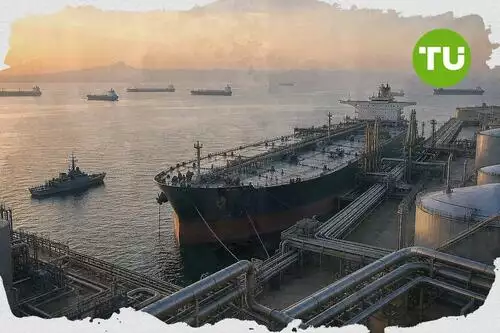
In our earlier report on the conflict-driven surge in oil shipping costs, we examined how attacks and heightened risks around key routes such as the Strait of Hormuz and the Red Sea have pushed tanker and insurance rates sharply higher. We also noted that these freight costs are increasingly being priced into crude and fuel, squeezing import-dependent markets and feeding through to pump prices and broader consumer inflation.






Latest Brent News



-
 Afghanistan
-
 Albania
-
 Algeria
-
 Angola
-
 Argentina
-
 Armenia
-
 Australia
-
 Austria
-
 Azerbaijan
-
 Bahamas
-
 Bahrain
-
 Bangladesh
-
 Belarus
-
 Belgium
-
 Bolivia
-
 Botswana
-
 Brazil
-
 Brunei
-
 Bulgaria
-
 Cambodia
-
 Cameroon
-
 Canada
-
 Chile
-
 China
-
 Colombia
-
 Congo
-
 Costa Rica
-
 Cote d'Ivoire
-
 Croatia
-
 Cuba
-
 Cyprus
-
 Czechia
-
 DR Congo
-
 Denmark
-
 Dominican Republic
-
 Ecuador
-
 Egypt
-
 El Salvador
-
 Estonia
-
 Eswatini
-
 Ethiopia
-
 Finland
-
 France
-
 Georgia
-
 Germany
-
 Ghana
-
 Greece
-
 Haiti
-
 Hong Kong
-
 Hungary
-
 India
-
 Indonesia
-
 Iran, Islamic republic
-
 Iraq
-
 Ireland
-
 Israel
-
 Italy
-
 Jamaica
-
 Japan
-
 Jordan
-
 Kazakhstan
-
 Kenya
-
 Korea
-
 Kuwait
-
 Kyrgyzstan
-
 Laos
-
 Latvia
-
 Lebanon
-
 Lesotho
-
 Libya
-
 Lithuania
-
 Luxembourg
-
 Madagascar
-
 Malaysia
-
 Malta
-
 Mauritius
-
 Mexico
-
 Moldova
-
 Mongolia
-
 Montenegro
-
 Morocco
-
 Mozambique
-
 Myanmar
-
 Namibia
-
 Nepal
-
 Netherlands
-
 New Zealand
-
 Nigeria
-
 North Macedonia
-
 Norway
-
 Oman
-
 Pakistan
-
 Palestine
-
 Panama
-
 Papua New Guinea
-
 Paraguay
-
 Peru
-
 Philippines
-
 Poland
-
 Portugal
-
 Puerto Rico
-
 Qatar
-
 Reunion
-
 Romania
-
 Rwanda
-
 Saudi Arabia
-
 Serbia
-
 Singapore
-
 Slovakia
-
 Slovenia
-
 Somalia
-
 South Africa
-
 Spain
-
 Sri Lanka
-
 Sweden
-
 Switzerland
-
 Syria
-
 Taiwan
-
 Tajikistan
-
 Tanzania
-
 Thailand
-
 Trinidad and Tobago
-
 Tunisia
-
 Turkey
-
 UAE
-
 Uganda
-
 Ukraine
-
 United Kingdom
-
United States
-
 Uruguay
-
 Uzbekistan
-
 Venezuela
-
 Vietnam
-
 Yemen
-
 Zambia
-
 Zimbabwe
- Forex
- Crypto












