
Brazil restricts use of crypto assets in cross-border payments
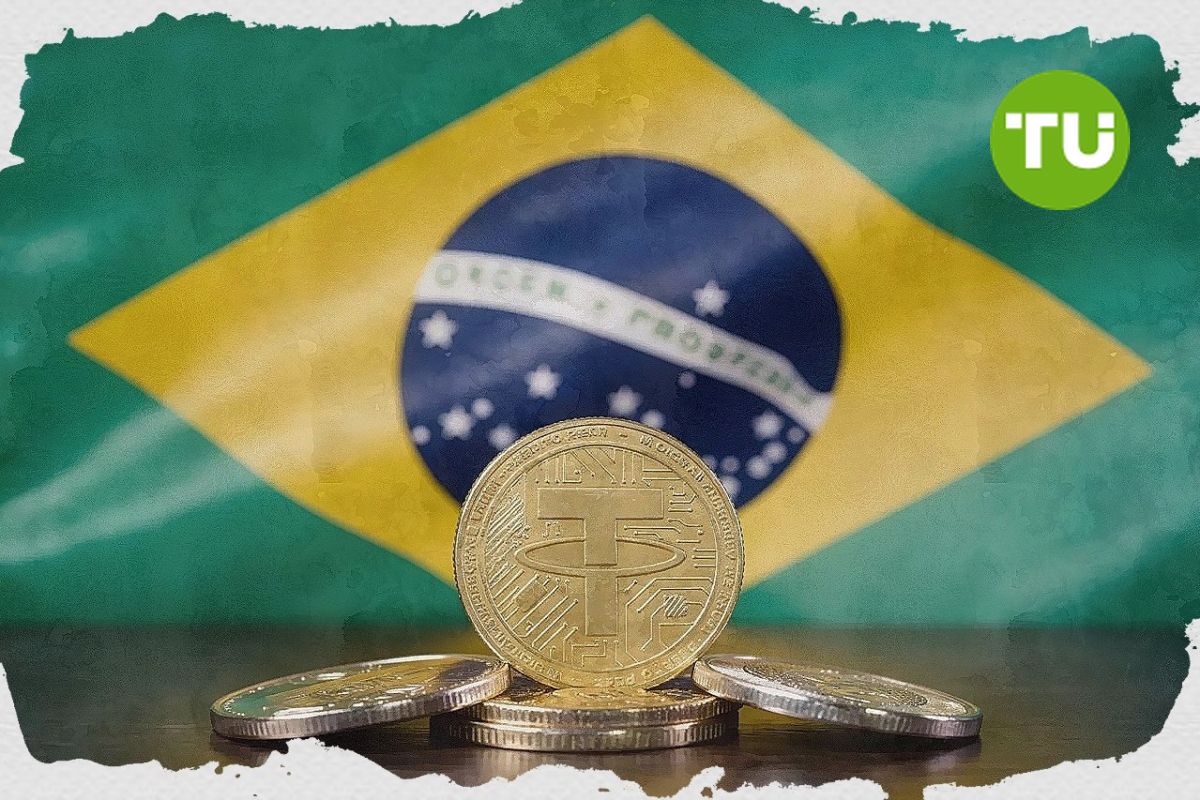
Brazil’s central bank will ban the use of virtual assets in some regulated international payment and transfer services starting May 4. The new rules apply to the eFX system, which covers cross-border payments and transfers.
Banco Central do Brasil published Resolution BCB No. 561, which changes the rules for eFX providers. Under the document, payments or receipts between an eFX provider and its foreign counterparty must be carried out only through a foreign exchange transaction or through the movement of funds in a non-resident account in Brazilian reais. The use of virtual assets in this channel is prohibited.
This is not a full crypto ban
The new decision does not mean a complete ban on cryptocurrency transfers in Brazil. It specifically restricts the use of crypto assets and stablecoins within the regulated eFX channel.In this way, the central bank is trying to keep international payment flows within the controlled foreign exchange infrastructure. For the regulator, this is not only a crypto market issue, but also a matter of capital controls, taxation, and anti-money laundering risks.
The restriction also applies to transitional rules for eFX providers that do not yet fall under approved categories. Such companies may continue operating only if they apply for authorization by May 31, 2027, but their payments and receipts also cannot be carried out through virtual assets.
Why Brazil is tightening control
Brazil is gradually integrating the crypto market into financial and foreign exchange regulation. In November 2025, the central bank already introduced rules for virtual asset service providers, including authorization requirements and rules for operations linked to the foreign exchange market.The regulator is paying particular attention to stablecoins. Earlier, Central Bank of Brazil Governor Gabriel Galipolo said that the use of crypto assets in the country had risen sharply over the past two to three years, with about 90% of flows linked to stablecoins. This raised concerns over taxation, money laundering, and the backing of such assets.
What this means for the market
For crypto companies, Brazil’s decision means stricter rules for working with international payments. Providers that want to operate within the eFX framework must use traditional foreign exchange mechanisms, rather than crypto assets or stablecoins, to settle with foreign counterparties.The move also shows that regulators are becoming more cautious about the role of stablecoins in cross-border payments. Brazil is not abandoning crypto regulation and is not banning digital assets as a class, but it wants to prevent stablecoins from becoming a parallel payment channel outside central bank oversight.
This fits a broader global trend. In the US, banks have also been pushing back against yield-bearing stablecoins, warning that such products could draw deposits away from the traditional banking system. Together, these debates show that regulators and financial institutions are increasingly focused not only on crypto trading risks, but also on how stablecoins could affect payments, bank deposits, and monetary control.
Ultimately, the new rules may increase pressure on crypto providers working with international transfers, but they also give the sector a clearer regulatory framework. For investors, this means that stablecoins in Brazil remain a promising but increasingly controlled segment of the crypto market.





Latest Crypto News










-
 Afghanistan
-
 Albania
-
 Algeria
-
 Angola
-
 Argentina
-
 Armenia
-
 Australia
-
 Austria
-
 Azerbaijan
-
 Bahamas
-
 Bahrain
-
 Bangladesh
-
 Belarus
-
 Belgium
-
 Bolivia
-
 Botswana
-
 Brazil
-
 Brunei
-
 Bulgaria
-
 Cambodia
-
 Cameroon
-
 Canada
-
 Chile
Chile
-
 China
China
-
 Colombia
-
 Congo
Congo
-
 Costa Rica
-
 Cote d'Ivoire
-
 Croatia
-
 Cuba
Cuba
-
 Cyprus
-
 Czechia
-
 DR Congo
-
 Denmark
-
 Dominican Republic
-
 Ecuador
-
 Egypt
Egypt
-
 El Salvador
-
 Estonia
-
 Eswatini
-
 Ethiopia
-
 Finland
-
 France
-
 Georgia
-
 Germany
-
 Ghana
Ghana
-
 Greece
-
 Haiti
Haiti
-
 Hong Kong
-
 Hungary
-
 India
India
-
 Indonesia
-
 Iran, Islamic republic
-
 Iraq
Iraq
-
 Ireland
-
 Israel
-
 Italy
Italy
-
 Jamaica
-
 Japan
Japan
-
 Jordan
-
 Kazakhstan
-
 Kenya
Kenya
-
 Korea
Korea
-
 Kuwait
-
 Kyrgyzstan
-
 Laos
Laos
-
 Latvia
-
 Lebanon
-
 Lesotho
-
 Libya
Libya
-
 Lithuania
-
 Luxembourg
-
 Madagascar
-
 Malaysia
-
 Malta
Malta
-
 Mauritius
-
 Mexico
-
 Moldova
-
 Mongolia
-
 Montenegro
-
 Morocco
-
 Mozambique
-
 Myanmar
-
 Namibia
-
 Nepal
Nepal
-
 Netherlands
-
 New Zealand
-
 Nigeria
-
 North Macedonia
-
 Norway
-
 Oman
Oman
-
 Pakistan
-
 Palestine
-
 Panama
-
 Papua New Guinea
-
 Paraguay
-
 Peru
Peru
-
 Philippines
-
 Poland
-
 Portugal
-
 Puerto Rico
-
 Qatar
Qatar
-
 Reunion
-
 Romania
-
 Rwanda
-
 Saudi Arabia
-
 Serbia
-
 Singapore
-
 Slovakia
-
 Slovenia
-
 Somalia
-
 South Africa
-
 Spain
Spain
-
 Sri Lanka
-
 Sweden
-
 Switzerland
-
 Syria
Syria
-
 Taiwan
-
 Tajikistan
-
 Tanzania
-
 Thailand
-
 Trinidad and Tobago
-
 Tunisia
-
 Turkey
-
 UAE
UAE
-
 Uganda
-
 Ukraine
-
 United Kingdom
-
United States
-
 Uruguay
-
 Uzbekistan
-
 Venezuela
-
 Vietnam
-
 Yemen
Yemen
-
 Zambia
-
 Zimbabwe
- Forex
- Crypto


