
El Salvador's $1.4 billion IMF accord embraces voluntary Bitcoin acceptance
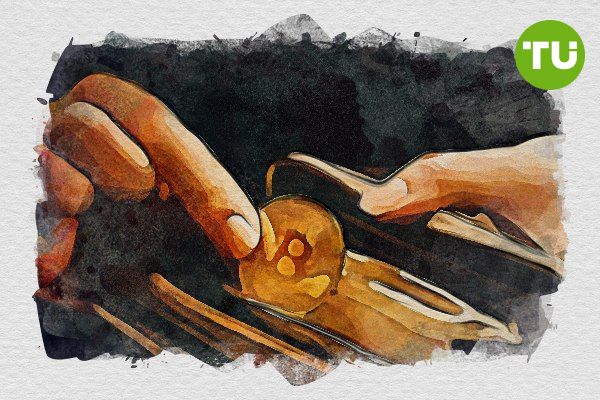
El Salvador has finalized a $1.4 billion agreement with the International Monetary Fund (IMF), signaling a pivotal shift in its Bitcoin policy.
While the nation retains Bitcoin as legal tender, the deal introduces voluntary private sector acceptance and restricts public sector involvement, reshaping the cryptocurrency's role in the economy.
Under the agreement, Bitcoin adoption in the private sector will be optional, while public institutions will curtail Bitcoin-related transactions. Taxes, for instance, will only be accepted in U.S. dollars. Additionally, the state-backed Chivo e-wallet, introduced to facilitate Bitcoin usage, will gradually scale back operations, focusing instead on broader fiscal and economic reforms.
The policy revision aligns with the IMF’s recommendations to stabilize El Salvador's financial standing. Public debt, which stood at 85% of GDP in 2024, is projected to decrease, supported by fiscal consolidation measures that aim for a 3.5% improvement in the primary balance over three years.
Broader financial support and economic impacts
In addition to the IMF loan, El Salvador anticipates receiving $3.5 billion in supplemental funding from the World Bank and regional development banks. This financial package is expected to underpin the country’s economic reforms and reduce its reliance on Bitcoin-driven initiatives.
The announcement coincides with Bitcoin’s recent market volatility. After peaking at $108,000, the cryptocurrency's price fell to just above $100,000 amid the Federal Reserve’s hawkish stance on interest rates.
Despite the policy shift, El Salvador's economy demonstrates resilience, bolstered by strong remittance inflows, a booming tourism sector, and improving security conditions. These factors are likely to sustain economic momentum as the nation balances crypto integration with fiscal responsibility.
El Salvador’s recalibrated Bitcoin strategy marks a significant moment in the global cryptocurrency landscape. As the nation adopts a more cautious approach, its success in navigating these changes could serve as a model for other countries exploring digital asset integration.
Previously, El Salvador granted Bitget a license to provide Bitcoin services.







-
 Afghanistan
-
 Albania
-
 Algeria
-
 Angola
-
 Argentina
-
 Armenia
-
 Australia
-
 Austria
-
 Azerbaijan
-
 Bahamas
-
 Bahrain
-
 Bangladesh
-
 Belarus
-
 Belgium
-
 Bolivia
-
 Botswana
-
 Brazil
-
 Brunei
-
 Bulgaria
-
 Cambodia
-
 Cameroon
-
 Canada
-
 Chile
Chile
-
 China
China
-
 Colombia
-
 Congo
Congo
-
 Costa Rica
-
 Cote d'Ivoire
-
 Croatia
-
 Cuba
Cuba
-
 Cyprus
-
 Czechia
-
 DR Congo
-
 Denmark
-
 Dominican Republic
-
 Ecuador
-
 Egypt
Egypt
-
 El Salvador
-
 Estonia
-
 Eswatini
-
 Ethiopia
-
 Finland
-
 France
-
 Georgia
-
 Germany
-
 Ghana
Ghana
-
 Greece
-
 Haiti
Haiti
-
 Hong Kong
-
 Hungary
-
 India
India
-
 Indonesia
-
 Iran, Islamic republic
-
 Iraq
Iraq
-
 Ireland
-
 Israel
-
 Italy
Italy
-
 Jamaica
-
 Japan
Japan
-
 Jordan
-
 Kazakhstan
-
 Kenya
Kenya
-
 Korea
Korea
-
 Kuwait
-
 Kyrgyzstan
-
 Laos
Laos
-
 Latvia
-
 Lebanon
-
 Lesotho
-
 Libya
Libya
-
 Lithuania
-
 Luxembourg
-
 Madagascar
-
 Malaysia
-
 Malta
Malta
-
 Mauritius
-
 Mexico
-
 Moldova
-
 Mongolia
-
 Montenegro
-
 Morocco
-
 Mozambique
-
 Myanmar
-
 Namibia
-
 Nepal
Nepal
-
 Netherlands
-
 New Zealand
-
 Nigeria
-
 North Macedonia
-
 Norway
-
 Oman
Oman
-
 Pakistan
-
 Palestine
-
 Panama
-
 Papua New Guinea
-
 Paraguay
-
 Peru
Peru
-
 Philippines
-
 Poland
-
 Portugal
-
 Puerto Rico
-
 Qatar
Qatar
-
 Reunion
-
 Romania
-
 Rwanda
-
 Saudi Arabia
-
 Serbia
-
 Singapore
-
 Slovakia
-
 Slovenia
-
 Somalia
-
 South Africa
-
 Spain
Spain
-
 Sri Lanka
-
 Sweden
-
 Switzerland
-
 Syria
Syria
-
 Taiwan
-
 Tajikistan
-
 Tanzania
-
 Thailand
-
 Trinidad and Tobago
-
 Tunisia
-
 Turkey
-
 UAE
UAE
-
 Uganda
-
 Ukraine
-
 United Kingdom
-
United States
-
 Uruguay
-
 Uzbekistan
-
 Venezuela
-
 Vietnam
-
 Yemen
Yemen
-
 Zambia
-
 Zimbabwe
- Forex
- Crypto












