
Germany’s DekaBank secures approval for crypto custody services
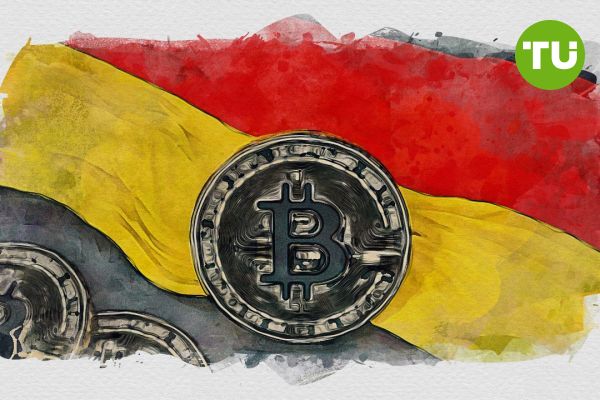
Germany’s DekaBank has joined the growing ranks of financial institutions venturing into cryptocurrency. After securing a crypto custody license from BaFin, Germany’s financial regulator, and the European Central Bank (ECB), DekaBank is poised to offer regulated crypto services.
The move aligns with the European Union’s evolving regulatory framework under MiCA (Markets in Crypto-Assets) and Germany’s recently passed Supervision of Crypto Markets Act (KMAG).
The license allows DekaBank to handle crypto custody services under traditional banking regulations, positioning it alongside Commerzbank as one of Germany’s few major banks entering this space. This follows DekaBank’s earlier success in July, when it received approval to operate as a crypto securities registrar, enabling blockchain-based digital securities issuance.
With the regulatory clarity provided by KMAG, which harmonizes Germany’s crypto rules with the broader MiCA framework, DekaBank plans to expand its services across the EU starting in 2025. The bank’s involvement in initiatives like the SWIAT blockchain platform, used for issuing a €300 million digital bond by Siemens, highlights its growing role in digital finance.
Germany’s steady approach to crypto
Germany has long been a leader in crypto regulation. It recognized cryptocurrencies as financial instruments in 2013 and mandated BaFin licensing for exchanges in 2020. While this deliberate pace has sometimes slowed innovation, it has also ensured market stability and investor confidence.
The country’s favorable tax policies further incentivize long-term crypto investments, as digital assets held for over a year are exempt from capital gains tax. Private investors in Germany are embracing this clarity, with 54% allocating more than 20% of their assets to digital currencies. Bitcoin remains the most popular choice, followed by Ethereum and Solana.
DekaBank’s entry into the crypto market underscores the increasing convergence of traditional finance and digital assets. As regulatory frameworks like MiCA take shape, Germany’s approach could serve as a blueprint for other nations seeking to balance innovation with oversight.
Read also: Dogecoin price could double after entering the Gaussian channel










-
 Afghanistan
-
 Albania
-
 Algeria
-
 Angola
-
 Argentina
-
 Armenia
-
 Australia
-
 Austria
-
 Azerbaijan
-
 Bahamas
-
 Bahrain
-
 Bangladesh
-
 Belarus
-
 Belgium
-
 Bolivia
-
 Botswana
-
 Brazil
-
 Brunei
-
 Bulgaria
-
 Cambodia
-
 Cameroon
-
 Canada
-
 Chile
Chile
-
 China
China
-
 Colombia
-
 Congo
Congo
-
 Costa Rica
-
 Cote d'Ivoire
-
 Croatia
-
 Cuba
Cuba
-
 Cyprus
-
 Czechia
-
 DR Congo
-
 Denmark
-
 Dominican Republic
-
 Ecuador
-
 Egypt
Egypt
-
 El Salvador
-
 Estonia
-
 Eswatini
-
 Ethiopia
-
 Finland
-
 France
-
 Georgia
-
 Germany
-
 Ghana
Ghana
-
 Greece
-
 Haiti
Haiti
-
 Hong Kong
-
 Hungary
-
 India
India
-
 Indonesia
-
 Iran, Islamic republic
-
 Iraq
Iraq
-
 Ireland
-
 Israel
-
 Italy
Italy
-
 Jamaica
-
 Japan
Japan
-
 Jordan
-
 Kazakhstan
-
 Kenya
Kenya
-
 Korea
Korea
-
 Kuwait
-
 Kyrgyzstan
-
 Laos
Laos
-
 Latvia
-
 Lebanon
-
 Lesotho
-
 Libya
Libya
-
 Lithuania
-
 Luxembourg
-
 Madagascar
-
 Malaysia
-
 Malta
Malta
-
 Mauritius
-
 Mexico
-
 Moldova
-
 Mongolia
-
 Montenegro
-
 Morocco
-
 Mozambique
-
 Myanmar
-
 Namibia
-
 Nepal
Nepal
-
 Netherlands
-
 New Zealand
-
 Nigeria
-
 North Macedonia
-
 Norway
-
 Oman
Oman
-
 Pakistan
-
 Palestine
-
 Panama
-
 Papua New Guinea
-
 Paraguay
-
 Peru
Peru
-
 Philippines
-
 Poland
-
 Portugal
-
 Puerto Rico
-
 Qatar
Qatar
-
 Reunion
-
 Romania
-
 Rwanda
-
 Saudi Arabia
-
 Serbia
-
 Singapore
-
 Slovakia
-
 Slovenia
-
 Somalia
-
 South Africa
-
 Spain
Spain
-
 Sri Lanka
-
 Sweden
-
 Switzerland
-
 Syria
Syria
-
 Taiwan
-
 Tajikistan
-
 Tanzania
-
 Thailand
-
 Trinidad and Tobago
-
 Tunisia
-
 Turkey
-
 UAE
UAE
-
 Uganda
-
 Ukraine
-
 United Kingdom
-
United States
-
 Uruguay
-
 Uzbekistan
-
 Venezuela
-
 Vietnam
-
 Yemen
Yemen
-
 Zambia
-
 Zimbabwe
- Forex
- Crypto












