
U.S. inflation outlook faces new risk as Iran war drives oil-price volatility
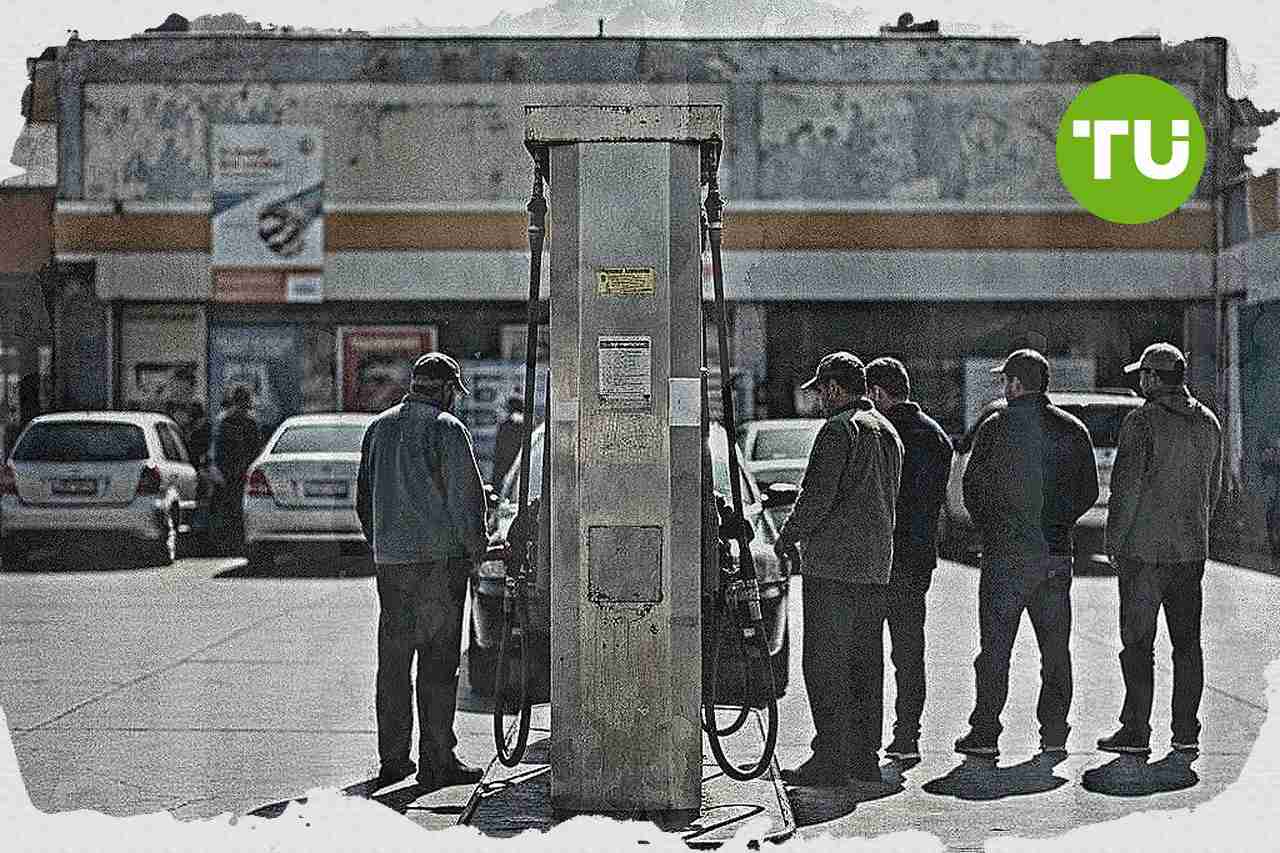
Oil’s sharp swing after disruption in the Strait of Hormuz is reviving U.S. inflation concerns just as markets await the next consumer price index update. Business Insider reported that crude briefly topped $100 a barrel after the effective closure of the chokepoint cut off Persian Gulf shipments before retreating to about $85 on Tuesday as President Donald Trump signaled the conflict could soon end. Economists and strategists cited by the outlet said February CPI data due Wednesday will not capture the shock, with any impact more likely to show up starting in March readings.
Highlights
- March CPI is expected to show a notable energy-driven increase, with risks of broader inflationary impact if oil prices remain elevated.
- Higher oil prices could exacerbate affordability strains for U.S. consumers, particularly lower- and middle-income households, if regional conflict persists.
- Each sustained $10 rise in oil could lift U.S. inflation by 0.15–0.3 percentage points and reduce growth by 0.1–0.2 percentage points, per estimates cited by Business Insider.
Oil shock timing and CPI pass-through
J.P. Morgan chief U.S. economist Michael Feroli told Business Insider that energy prices should transmit into inflation data more directly than tariffs, which can take longer to filter through. He said a “pretty decent increase” in March CPI is likely absent a sharp reversal in oil prices, while the outlook for April and later is less certain. Feroli added that the hit to core inflation may be limited, though categories such as airfares could see some pass-through and there remains a risk the impact is larger than in recent decades.Moody’s Analytics economist Matt Colyar said the war-driven spike is unlikely to appear in this week’s inflation report but could lift the headline figure in the March CPI report scheduled for April. He argued gasoline prices are especially salient for households and can quickly influence inflation expectations. Colyar also highlighted spillovers because energy is a key input for manufacturing, agriculture, and airlines, raising the odds of broader price pressures if elevated costs persist.
Consumer affordability and uneven household impact
Bankrate senior economic analyst Mark Hamrick warned that higher oil prices could worsen affordability strains that are already a major concern for U.S. consumers. He said the burden could be uneven, with lower- and middle-income households forced to allocate more of their budgets to gas. Hamrick added that the duration and scale of the conflict are uncertain, raising the risk that inflationary shocks linger if disruptions persist across the region.Carnegie Mellon University Tepper School of Business economics professor Laurence Ales described two main channels: higher energy costs that firms may partially pass on to consumers, and a demand effect as households cut discretionary spending when gasoline prices rise. Ales said the cost channel is well documented but typically small in magnitude. He added that reduced non-essential spending could, over time, put downward pressure on some prices even as fuel costs stay elevated.
Macro risks and market implications
Cato Institute analyst Tad DeHaven said the U.S. is less directly dependent on Hormuz than many countries, but Americans still feel global oil pricing through higher gasoline, diesel and jet fuel costs, plus broader transportation and business expenses. He said a brief disruption would likely produce a temporary inflation bump but warned that the economy needs stability and could be compromised in the short term. The overall consumer impact, he said, hinges on how long the conflict disrupts energy flows.American Enterprise Institute senior fellow Desmond Lachman offered estimates cited by Business Insider suggesting each sustained $10 rise in international oil prices could lift U.S. inflation by 0.15 to 0.3 percentage points and reduce growth by 0.1 to 0.2 percentage points. He said if oil settles around $100 a barrel, gas prices could add more than 1 percentage point to inflation and subtract 0.5 to 0.75 percentage points from growth. Edward Jones investment strategy analyst Brock Weimer added that headline inflation is likely to face upward pressure with oil at its highest level since 2022, though he noted geopolitical shocks have historically produced only short-term effects on financial markets.
We previously reported on a sharp rise in U.S. gasoline prices driven by the Iran-related conflict, which lifted crude and heightened supply risks around the Strait of Hormuz. That report explained why the inflation impact could prove temporary if a weakening labor market limits second-round effects, while still flagging the near-term risk of higher pump prices spilling into broader household costs.




Latest JPMorgan Chase News







-
 Afghanistan
-
 Albania
-
 Algeria
-
 Angola
-
 Argentina
-
 Armenia
-
 Australia
-
 Austria
-
 Azerbaijan
-
 Bahamas
-
 Bahrain
-
 Bangladesh
-
 Belarus
-
 Belgium
-
 Bolivia
-
 Botswana
-
 Brazil
-
 Brunei
-
 Bulgaria
-
 Cambodia
-
 Cameroon
-
 Canada
-
 Chile
Chile
-
 China
China
-
 Colombia
-
 Congo
Congo
-
 Costa Rica
-
 Cote d'Ivoire
-
 Croatia
-
 Cuba
Cuba
-
 Cyprus
-
 Czechia
-
 DR Congo
-
 Denmark
-
 Dominican Republic
-
 Ecuador
-
 Egypt
Egypt
-
 El Salvador
-
 Estonia
-
 Eswatini
-
 Ethiopia
-
 Finland
-
 France
-
 Georgia
-
 Germany
-
 Ghana
Ghana
-
 Greece
-
 Haiti
Haiti
-
 Hong Kong
-
 Hungary
-
 India
India
-
 Indonesia
-
 Iran, Islamic republic
-
 Iraq
Iraq
-
 Ireland
-
 Israel
-
 Italy
Italy
-
 Jamaica
-
 Japan
Japan
-
 Jordan
-
 Kazakhstan
-
 Kenya
Kenya
-
 Korea
Korea
-
 Kuwait
-
 Kyrgyzstan
-
 Laos
Laos
-
 Latvia
-
 Lebanon
-
 Lesotho
-
 Libya
Libya
-
 Lithuania
-
 Luxembourg
-
 Madagascar
-
 Malaysia
-
 Malta
Malta
-
 Mauritius
-
 Mexico
-
 Moldova
-
 Mongolia
-
 Montenegro
-
 Morocco
-
 Mozambique
-
 Myanmar
-
 Namibia
-
 Nepal
Nepal
-
 Netherlands
-
 New Zealand
-
 Nigeria
-
 North Macedonia
-
 Norway
-
 Oman
Oman
-
 Pakistan
-
 Palestine
-
 Panama
-
 Papua New Guinea
-
 Paraguay
-
 Peru
Peru
-
 Philippines
-
 Poland
-
 Portugal
-
 Puerto Rico
-
 Qatar
Qatar
-
 Reunion
-
 Romania
-
 Rwanda
-
 Saudi Arabia
-
 Serbia
-
 Singapore
-
 Slovakia
-
 Slovenia
-
 Somalia
-
 South Africa
-
 Spain
Spain
-
 Sri Lanka
-
 Sweden
-
 Switzerland
-
 Syria
Syria
-
 Taiwan
-
 Tajikistan
-
 Tanzania
-
 Thailand
-
 Trinidad and Tobago
-
 Tunisia
-
 Turkey
-
 UAE
UAE
-
 Uganda
-
 Ukraine
-
 United Kingdom
-
United States
-
 Uruguay
-
 Uzbekistan
-
 Venezuela
-
 Vietnam
-
 Yemen
Yemen
-
 Zambia
-
 Zimbabwe
- Forex
- Crypto











