
U.S. recession risk rises as oil price shock and market fragilities build, El-Erian says
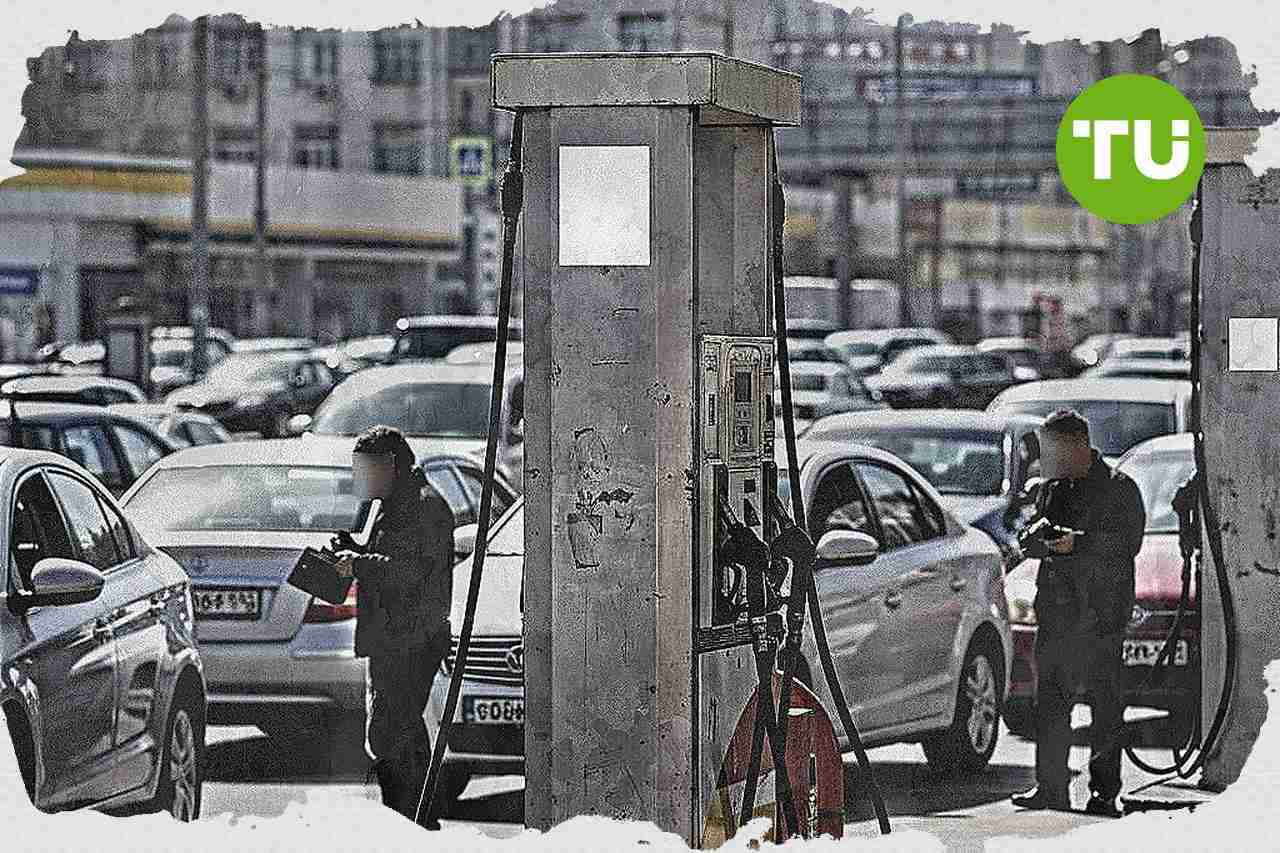
Recession odds in the U.S. are climbing as the U.S.-Iran war keeps crude prices elevated and adds to inflation risks, according to comments Mohamed El-Erian gives Business Insider. The economist says he now puts the probability of a downturn at about 35%, up from roughly 25%, warning that spillovers from the conflict could hit consumers, corporate costs and financial conditions at a time when growth and hiring already appear to be softening.
Highlights
- Brent crude has held near $100 a barrel for over a week, increasing the risk of more structural inflation and eroding U.S. purchasing power.
- El-Erian highlights market fragilities—such as private credit redemptions, weakening bond demand, and high equity valuations—as factors amplifying financial accident risks amid energy-driven inflation.
- U.S. recession risk rises as the war drags on; fourth-quarter GDP was revised down to 0.7% annualized, 92,000 jobs lost in February, and consumer spending remains flat.
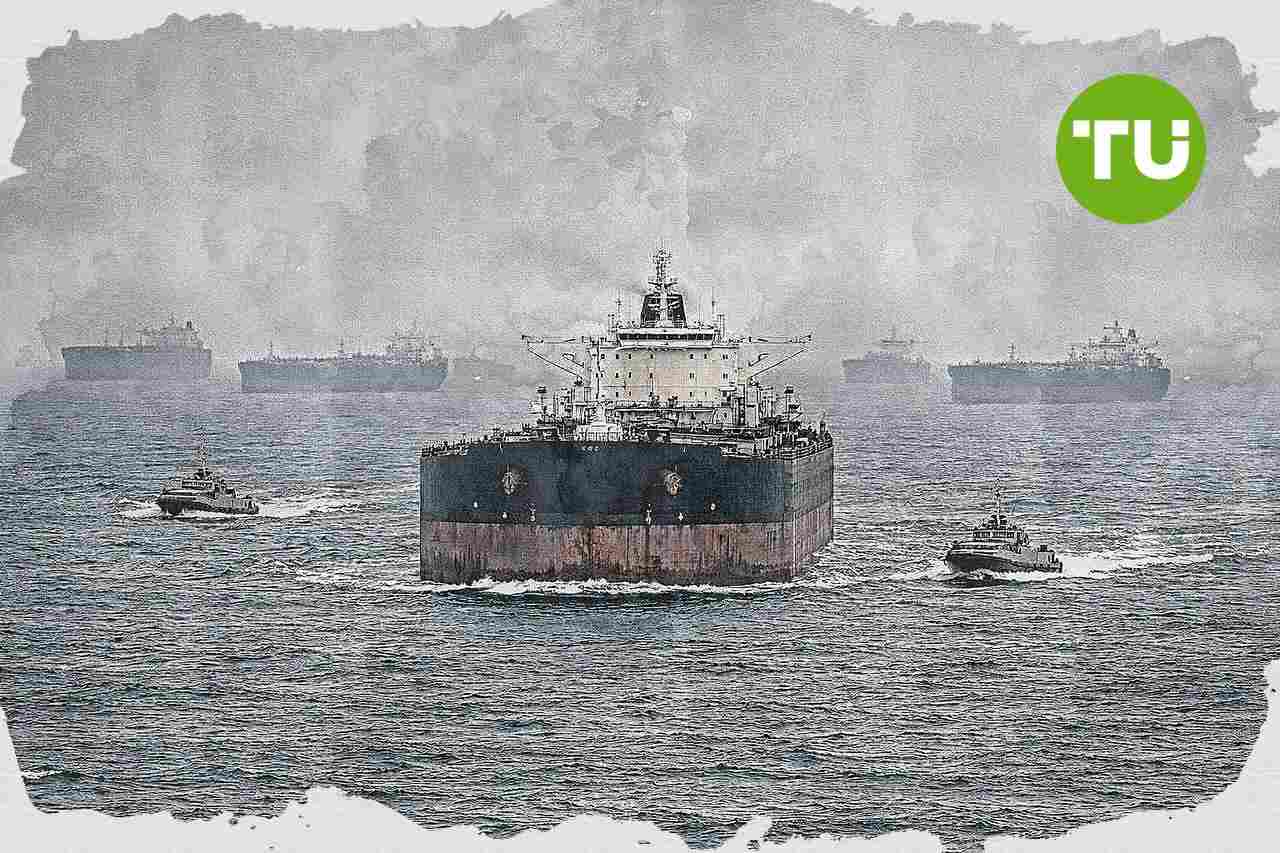
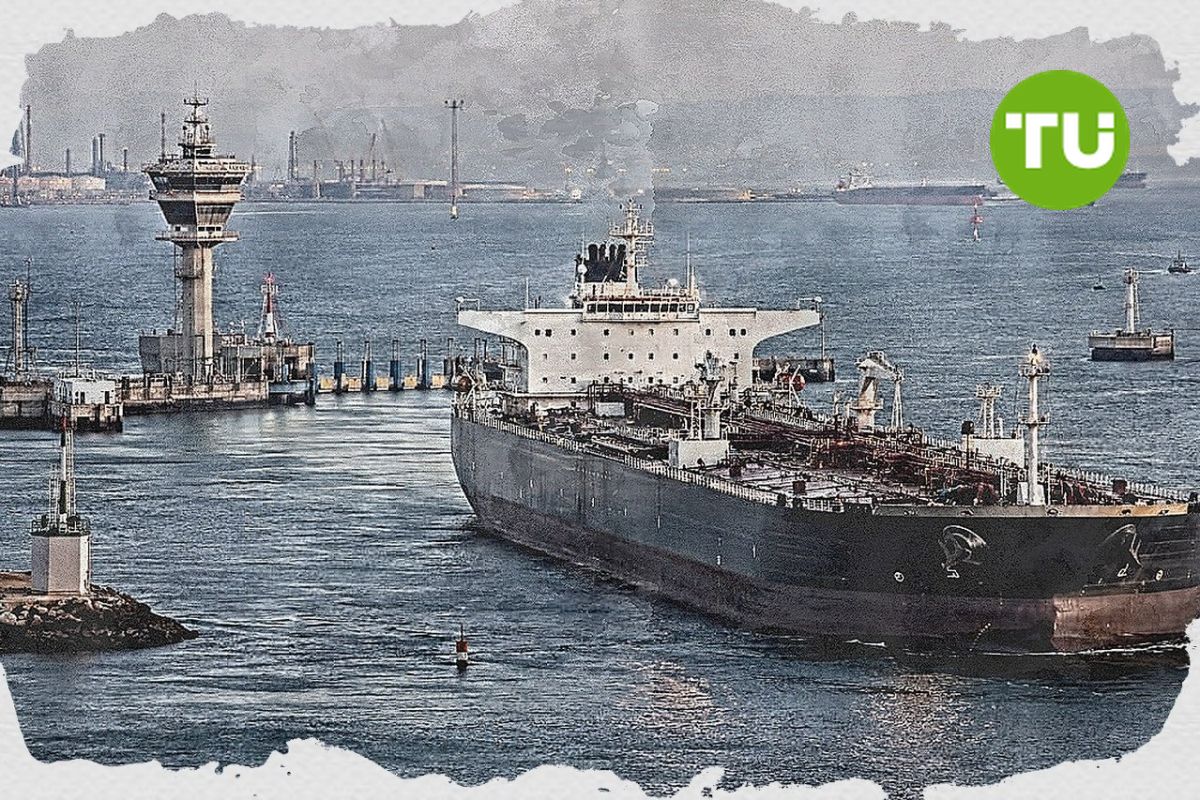
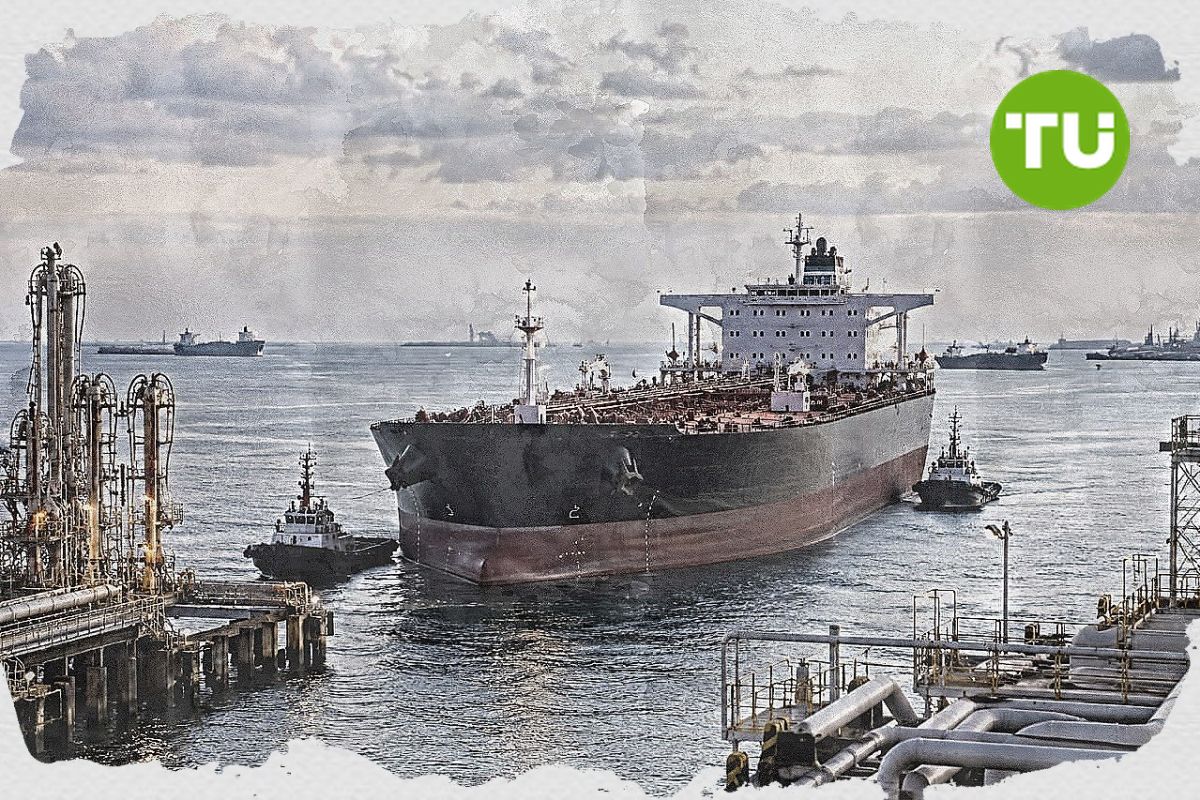
According to Business Insider, El-Erian says the main channel he is watching starts with higher oil prices feeding broader inflation and eroding purchasing power. Brent crude is hovering around $100 a barrel for more than a week, a move he says threatens to make inflation more structural because of oil’s role across supply chains. He describes a two-phase downside scenario in which inflation pressures first lift household and business costs, then translate into slower growth and higher unemployment. He adds that the longer the conflict lasts, the greater the risk that this dynamic tips the economy into a demand shock.
Financial accident concerns and softening U.S. data
Beyond inflation, El-Erian says hotter prices can interact with existing market “fragilities” and raise the odds of a financial accident that tightens credit availability. He points to redemption requests in private credit, weaker global demand for government bonds and elevated stock market valuations as vulnerabilities that could amplify a shock. Investors are already grappling with a third straight week of higher crude, and he says persistent energy-driven inflation could push consumers to pull back spending further. He also flags the risk of stagflation if growth slows while inflation keeps rising, especially if Middle East supply disruptions intensify.Why the outlook worsens if the war drags on
The economist says recession risk keeps swelling as long as the war continues, because the probability of additional oil spikes increases with prolonged disruption. He also argues the impact could land as the U.S. economy shows signs of weakening momentum, with fourth-quarter GDP revised down to a 0.7% annualized pace from an initial 1.4% estimate. In the labor market, the U.S. loses 92,000 jobs in February, and he notes hiring has trended lower for the past five years. Consumer spending is also relatively flat, with personal consumption rising 0.4% in January, Commerce Department data show. El-Erian adds that he remains focused on potential contagion from private credit as investor scrutiny of liquidity in the sector grows.We previously reported that U.S. stock index futures slipped as oil held above $100 a barrel, reviving concerns that an energy shock could complicate the fight against inflation. Our publication noted that the move put renewed focus on the Federal Reserve’s policy outlook, with markets bracing for a more hawkish tone and fewer expected rate cuts as Middle East tensions kept energy-supply risks in play.



Latest Iran war News





-
 Afghanistan
-
 Albania
-
 Algeria
-
 Angola
-
 Argentina
-
 Armenia
-
 Australia
-
 Austria
-
 Azerbaijan
-
 Bahamas
-
 Bahrain
-
 Bangladesh
-
 Belarus
-
 Belgium
-
 Bolivia
-
 Botswana
-
 Brazil
-
 Brunei
-
 Bulgaria
-
 Cambodia
-
 Cameroon
-
 Canada
-
 Chile
Chile
-
 China
China
-
 Colombia
-
 Congo
Congo
-
 Costa Rica
-
 Cote d'Ivoire
-
 Croatia
-
 Cuba
Cuba
-
 Cyprus
-
 Czechia
-
 DR Congo
-
 Denmark
-
 Dominican Republic
-
 Ecuador
-
 Egypt
Egypt
-
 El Salvador
-
 Estonia
-
 Eswatini
-
 Ethiopia
-
 Finland
-
 France
-
 Georgia
-
 Germany
-
 Ghana
Ghana
-
 Greece
-
 Haiti
Haiti
-
 Hong Kong
-
 Hungary
-
 India
India
-
 Indonesia
-
 Iran, Islamic republic
-
 Iraq
Iraq
-
 Ireland
-
 Israel
-
 Italy
Italy
-
 Jamaica
-
 Japan
Japan
-
 Jordan
-
 Kazakhstan
-
 Kenya
Kenya
-
 Korea
Korea
-
 Kuwait
-
 Kyrgyzstan
-
 Laos
Laos
-
 Latvia
-
 Lebanon
-
 Lesotho
-
 Libya
Libya
-
 Lithuania
-
 Luxembourg
-
 Madagascar
-
 Malaysia
-
 Malta
Malta
-
 Mauritius
-
 Mexico
-
 Moldova
-
 Mongolia
-
 Montenegro
-
 Morocco
-
 Mozambique
-
 Myanmar
-
 Namibia
-
 Nepal
Nepal
-
 Netherlands
-
 New Zealand
-
 Nigeria
-
 North Macedonia
-
 Norway
-
 Oman
Oman
-
 Pakistan
-
 Palestine
-
 Panama
-
 Papua New Guinea
-
 Paraguay
-
 Peru
Peru
-
 Philippines
-
 Poland
-
 Portugal
-
 Puerto Rico
-
 Qatar
Qatar
-
 Reunion
-
 Romania
-
 Rwanda
-
 Saudi Arabia
-
 Serbia
-
 Singapore
-
 Slovakia
-
 Slovenia
-
 Somalia
-
 South Africa
-
 Spain
Spain
-
 Sri Lanka
-
 Sweden
-
 Switzerland
-
 Syria
Syria
-
 Taiwan
-
 Tajikistan
-
 Tanzania
-
 Thailand
-
 Trinidad and Tobago
-
 Tunisia
-
 Turkey
-
 UAE
UAE
-
 Uganda
-
 Ukraine
-
 United Kingdom
-
United States
-
 Uruguay
-
 Uzbekistan
-
 Venezuela
-
 Vietnam
-
 Yemen
Yemen
-
 Zambia
-
 Zimbabwe
- Forex
- Crypto












