
Global freight sector faces limited relief from U.S.-Iran ceasefire framework
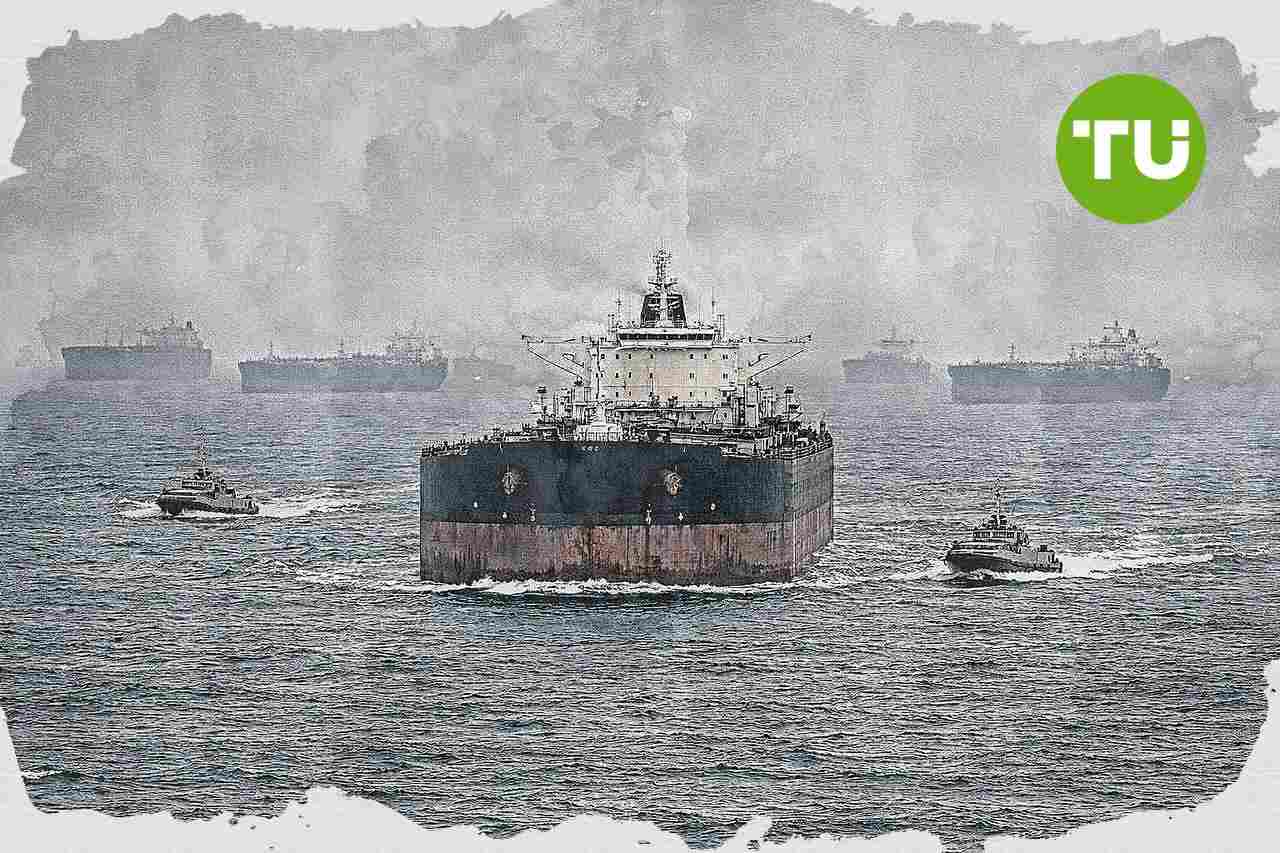
Years of disruption continue to weigh on the global freight market as shipping routes face repeated geopolitical shocks. The latest U.S.-Iran ceasefire framework offers only limited near-term certainty because key details remain unresolved and the Strait of Hormuz stays central to energy and transport flows.
Highlights
- Freight markets remain volatile as Trump’s ceasefire framework with Iran leaves shipping, energy, and cargo sectors exposed to ongoing geopolitical uncertainty.
- The Strait of Hormuz, handling about 20% of global oil, remains a strategic chokepoint influencing global gasoline prices and U.S. inflation.
- Negotiations over Iran’s enriched uranium and a possible extension of the 60-day deadline may prolong elevated freight risks into the U.S. November midterm elections.
Hormuz uncertainty keeps pressure on shipping
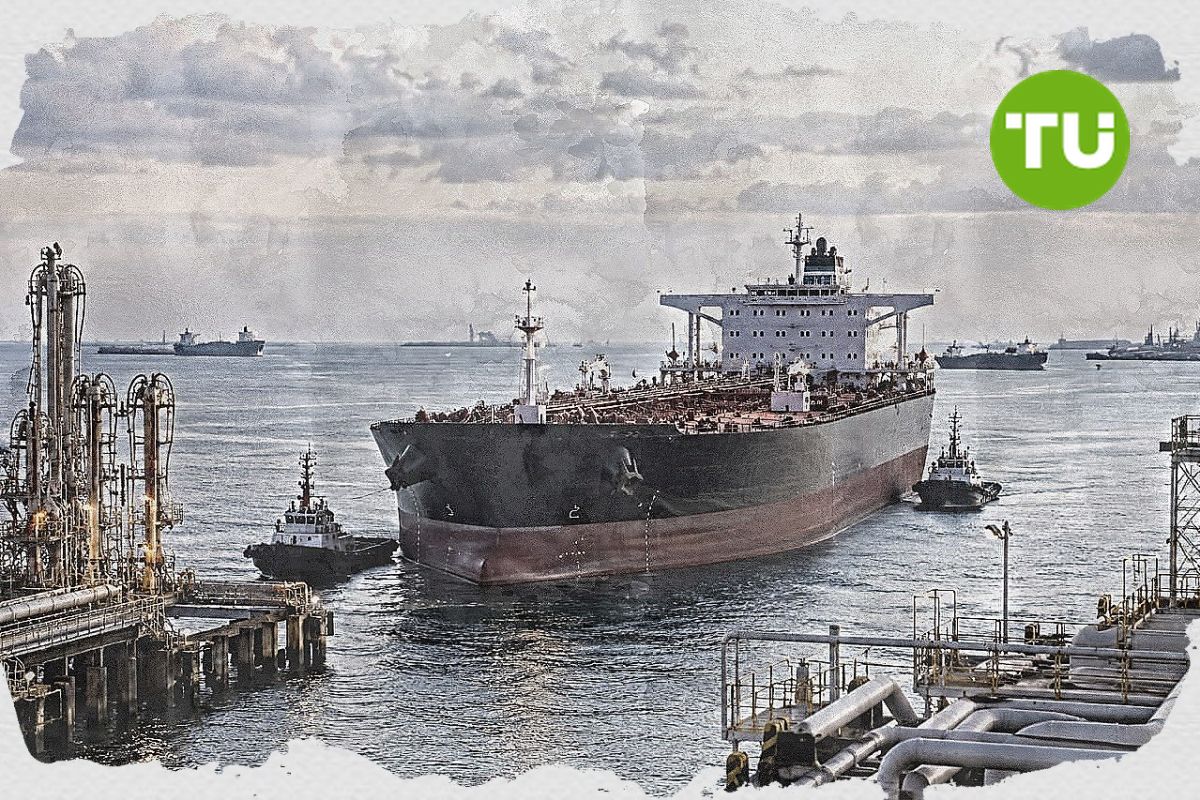
As reported by Bloomberg, the freight market is still operating through a prolonged period of instability that stretches from the pandemic boom and bust to Russia's invasion of Ukraine, Houthi attacks that nearly shut down the Suez Canal, last year's tariff escalation and the current blockade of the Strait of Hormuz.The disruption is not likely to ease quickly. President Donald Trump's ceasefire agreement with Iran remains a framework rather than a final settlement, leaving difficult negotiations for later while keeping carriers, cargo owners and energy markets exposed to further uncertainty.
Oil route risks shape broader market impact
Trump is focused on reopening the Strait of Hormuz as quickly as possible because the waterway handles about 20% of global oil production and has direct implications for gasoline prices and inflation in the U.S. That makes the shipping lane's status a wider economic issue, not just a freight concern.A broader agreement with Iran is likely to be difficult to secure, especially on the issue of Tehran giving up its stockpile of enriched uranium. If the 60-day deadline for working out those terms is extended, potentially through the November midterm elections, the freight industry is likely to face a longer period of elevated planning risk and volatile operating conditions.
Our earlier report on delayed U.S.-Iran follow-up talks explained how quickly oil prices can rebound when diplomacy stalls and the Strait of Hormuz remains uncertain. It noted that even with some tanker traffic resuming, major carriers had not fully normalized transits and insurance costs stayed elevated, keeping a geopolitical premium in crude prices.











-
 Afghanistan
-
 Albania
-
 Algeria
-
 Angola
-
 Argentina
-
 Armenia
-
 Australia
-
 Austria
-
 Azerbaijan
-
 Bahamas
-
 Bahrain
-
 Bangladesh
-
 Belarus
-
 Belgium
-
 Bolivia
-
 Botswana
-
 Brazil
-
 Brunei
-
 Bulgaria
-
 Cambodia
-
 Cameroon
-
 Canada
-
 Chile
Chile
-
 China
China
-
 Colombia
-
 Congo
Congo
-
 Costa Rica
-
 Cote d'Ivoire
-
 Croatia
-
 Cuba
Cuba
-
 Cyprus
-
 Czechia
-
 DR Congo
-
 Denmark
-
 Dominican Republic
-
 Ecuador
-
 Egypt
Egypt
-
 El Salvador
-
 Estonia
-
 Eswatini
-
 Ethiopia
-
 Finland
-
 France
-
 Georgia
-
 Germany
-
 Ghana
Ghana
-
 Greece
-
 Haiti
Haiti
-
 Hong Kong
-
 Hungary
-
 India
India
-
 Indonesia
-
 Iran, Islamic republic
-
 Iraq
Iraq
-
 Ireland
-
 Israel
-
 Italy
Italy
-
 Jamaica
-
 Japan
Japan
-
 Jordan
-
 Kazakhstan
-
 Kenya
Kenya
-
 Korea
Korea
-
 Kuwait
-
 Kyrgyzstan
-
 Laos
Laos
-
 Latvia
-
 Lebanon
-
 Lesotho
-
 Libya
Libya
-
 Lithuania
-
 Luxembourg
-
 Madagascar
-
 Malaysia
-
 Malta
Malta
-
 Mauritius
-
 Mexico
-
 Moldova
-
 Mongolia
-
 Montenegro
-
 Morocco
-
 Mozambique
-
 Myanmar
-
 Namibia
-
 Nepal
Nepal
-
 Netherlands
-
 New Zealand
-
 Nigeria
-
 North Macedonia
-
 Norway
-
 Oman
Oman
-
 Pakistan
-
 Palestine
-
 Panama
-
 Papua New Guinea
-
 Paraguay
-
 Peru
Peru
-
 Philippines
-
 Poland
-
 Portugal
-
 Puerto Rico
-
 Qatar
Qatar
-
 Reunion
-
 Romania
-
 Rwanda
-
 Saudi Arabia
-
 Serbia
-
 Singapore
-
 Slovakia
-
 Slovenia
-
 Somalia
-
 South Africa
-
 Spain
Spain
-
 Sri Lanka
-
 Sweden
-
 Switzerland
-
 Syria
Syria
-
 Taiwan
-
 Tajikistan
-
 Tanzania
-
 Thailand
-
 Trinidad and Tobago
-
 Tunisia
-
 Turkey
-
 UAE
UAE
-
 Uganda
-
 Ukraine
-
 United Kingdom
-
United States
-
 Uruguay
-
 Uzbekistan
-
 Venezuela
-
 Vietnam
-
 Yemen
Yemen
-
 Zambia
-
 Zimbabwe
- Forex
- Crypto












