
U.S. utilities ramp up grid spending as AI power demand lifts customer bill pressure
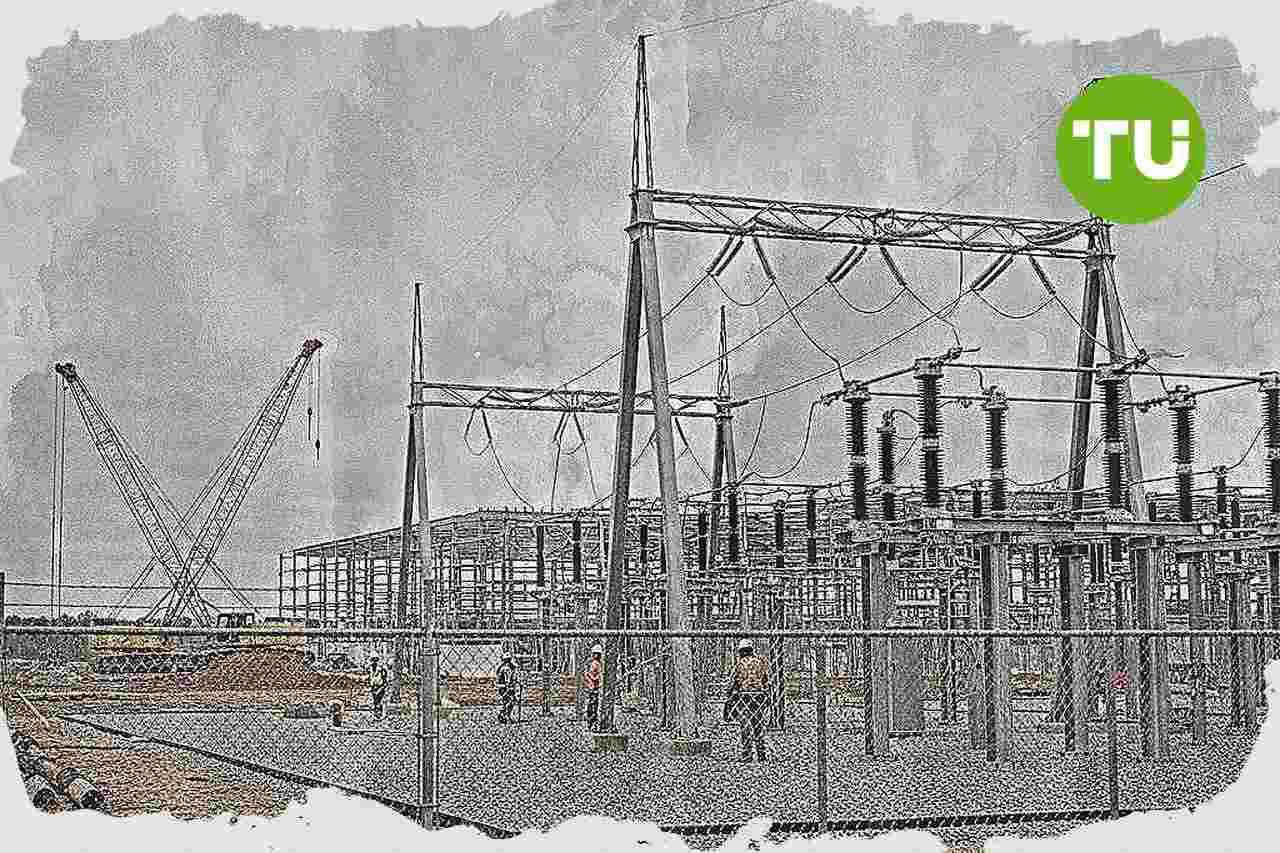
According to a new report from consumer education nonprofit PowerLines, investor-owned utilities in the U.S. are on track to spend $1.4 trillion on capital expenditures by 2030 as they expand power plants and transmission lines for rising data center demand and aging grid needs. The report says the projected total for the next five years exceeds the $1.3 trillion the industry reported spending over the last decade. Utilities are also seeking regulatory approval to recover a large share of those costs from customers, adding to concerns over household electric bills.
Highlights
- Duke Energy plans $102.2 billion in capital expenditures by 2030, outpacing Southern Company's $81.2 billion and American Electric Power's $72 billion, driven by AI-related electricity demand.
- U.S. electric and gas utilities aim to raise customer bills by $31 billion in 2025—over double 2024's requests—to recoup infrastructure spending tied to data center growth.
- Microsoft, Meta and OpenAI signed President Donald Trump's Ratepayer Protection Pledge in May, signaling concern over passing AI data center power costs to consumers amid rising demand.
Utility investment plans through 2030
Duke Energy plans to spend $102.2 billion in capital expenditures by 2030, the highest total among investor-owned utilities cited in the report. The company serves Florida, Indiana, Ohio, Kentucky, North Carolina, and South Carolina, where electricity demand is increasing with data center development. Southern Company plans to spend $81.2 billion, while American Electric Power expects to invest $72 billion by 2030.A PowerLines analysis of 51 utility earnings calls finds that the increase in spending is concentrated among a relatively small group of major operators. Utilities say they need extensive new infrastructure to serve large data center customers that use significant amounts of electricity for training and running AI systems. Southern's footprint includes projects tied to a Meta campus in Huntsville, Alabama, and Microsoft's growing network in Georgia.Rate cases and customer bill concerns across the U.S.
In the U.S., investor-owned utilities often ask state regulators to allow them to recoup infrastructure spending from customers through higher rates. PowerLines says electric and gas utilities seek to raise customer bills by $31 billion in 2025, more than double the amount sought in 2024. That cost recovery model is driving a broader debate over who should bear the expense of the AI buildout.American Electric Power was already in dispute with the data center industry last year over a proposed tariff in Ohio. Regulators approved the tariff in July, requiring financial commitments from data centers seeking a grid connection through AEP Ohio. The case has become one example of how regulators and utilities are trying to allocate rising grid costs.Tech sector response to AI-related power costs
Last month, Microsoft, Meta and OpenAI signed President Donald Trump's Ratepayer Protection Pledge, a voluntary agreement intended to prevent tech companies from pushing consumer electricity bills higher because of data center power needs. The pledge reflects increasing political and industry scrutiny of how AI infrastructure expansion affects utility customers. As electricity demand from data centers rises, the balance between grid investment, utility returns and consumer protection remains a central issue for the power sector.We previously reported on Meta’s AI-driven growth outlook and META’s bullish-but-overbought technical setup. That analysis highlighted the company’s push to scale AI capabilities alongside expectations for stronger advertising revenue, while noting near-term risks and the potential for consolidation.





Latest National Grid News






-
 Afghanistan
-
 Albania
-
 Algeria
-
 Angola
-
 Argentina
-
 Armenia
-
 Australia
-
 Austria
-
 Azerbaijan
-
 Bahamas
-
 Bahrain
-
 Bangladesh
-
 Belarus
-
 Belgium
-
 Bolivia
-
 Botswana
-
 Brazil
-
 Brunei
-
 Bulgaria
-
 Cambodia
-
 Cameroon
-
 Canada
-
 Chile
Chile
-
 China
China
-
 Colombia
-
 Congo
Congo
-
 Costa Rica
-
 Cote d'Ivoire
-
 Croatia
-
 Cuba
Cuba
-
 Cyprus
-
 Czechia
-
 DR Congo
-
 Denmark
-
 Dominican Republic
-
 Ecuador
-
 Egypt
Egypt
-
 El Salvador
-
 Estonia
-
 Eswatini
-
 Ethiopia
-
 Finland
-
 France
-
 Georgia
-
 Germany
-
 Ghana
Ghana
-
 Greece
-
 Haiti
Haiti
-
 Hong Kong
-
 Hungary
-
 India
India
-
 Indonesia
-
 Iran, Islamic republic
-
 Iraq
Iraq
-
 Ireland
-
 Israel
-
 Italy
Italy
-
 Jamaica
-
 Japan
Japan
-
 Jordan
-
 Kazakhstan
-
 Kenya
Kenya
-
 Korea
Korea
-
 Kuwait
-
 Kyrgyzstan
-
 Laos
Laos
-
 Latvia
-
 Lebanon
-
 Lesotho
-
 Libya
Libya
-
 Lithuania
-
 Luxembourg
-
 Madagascar
-
 Malaysia
-
 Malta
Malta
-
 Mauritius
-
 Mexico
-
 Moldova
-
 Mongolia
-
 Montenegro
-
 Morocco
-
 Mozambique
-
 Myanmar
-
 Namibia
-
 Nepal
Nepal
-
 Netherlands
-
 New Zealand
-
 Nigeria
-
 North Macedonia
-
 Norway
-
 Oman
Oman
-
 Pakistan
-
 Palestine
-
 Panama
-
 Papua New Guinea
-
 Paraguay
-
 Peru
Peru
-
 Philippines
-
 Poland
-
 Portugal
-
 Puerto Rico
-
 Qatar
Qatar
-
 Reunion
-
 Romania
-
 Rwanda
-
 Saudi Arabia
-
 Serbia
-
 Singapore
-
 Slovakia
-
 Slovenia
-
 Somalia
-
 South Africa
-
 Spain
Spain
-
 Sri Lanka
-
 Sweden
-
 Switzerland
-
 Syria
Syria
-
 Taiwan
-
 Tajikistan
-
 Tanzania
-
 Thailand
-
 Trinidad and Tobago
-
 Tunisia
-
 Turkey
-
 UAE
UAE
-
 Uganda
-
 Ukraine
-
 United Kingdom
-
United States
-
 Uruguay
-
 Uzbekistan
-
 Venezuela
-
 Vietnam
-
 Yemen
Yemen
-
 Zambia
-
 Zimbabwe
- Forex
- Crypto












