

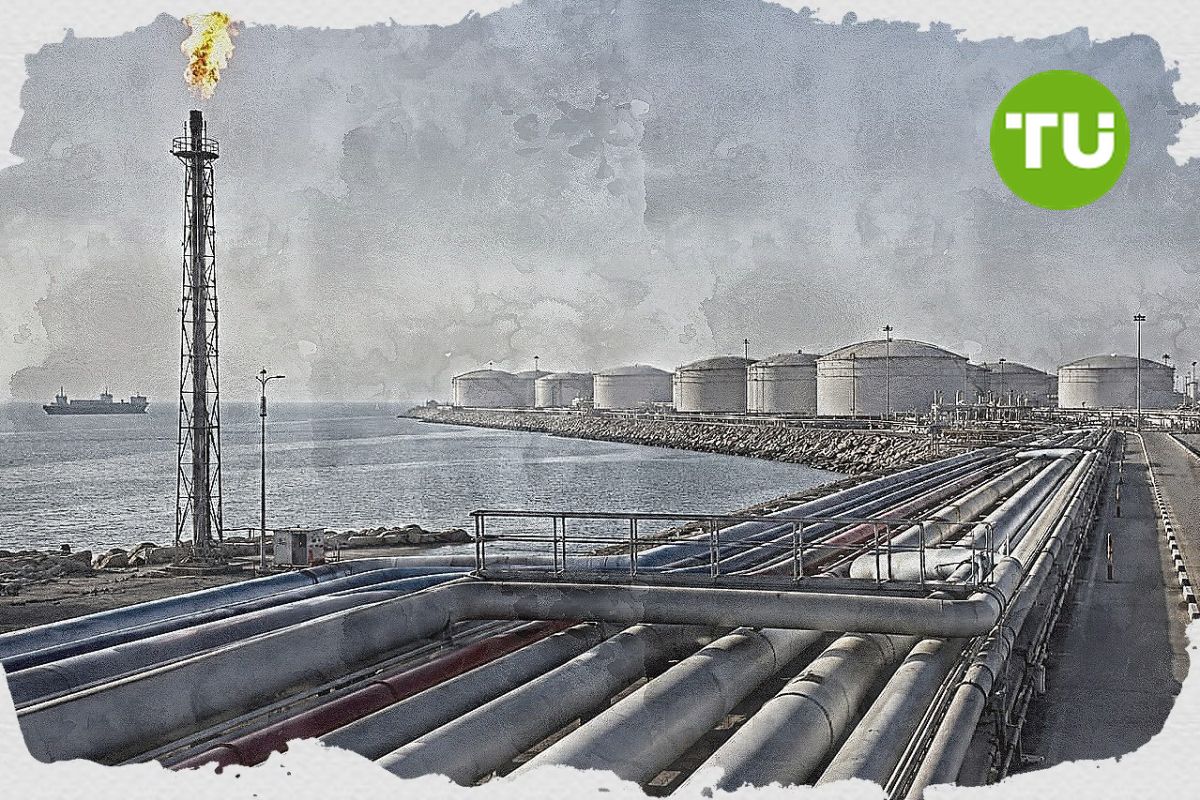
U.S. crude oil continues to trade under the influence of developments in the Middle East, with the market still centred on Iran and the Strait of Hormuz, which have become the focal point of global price dynamics.

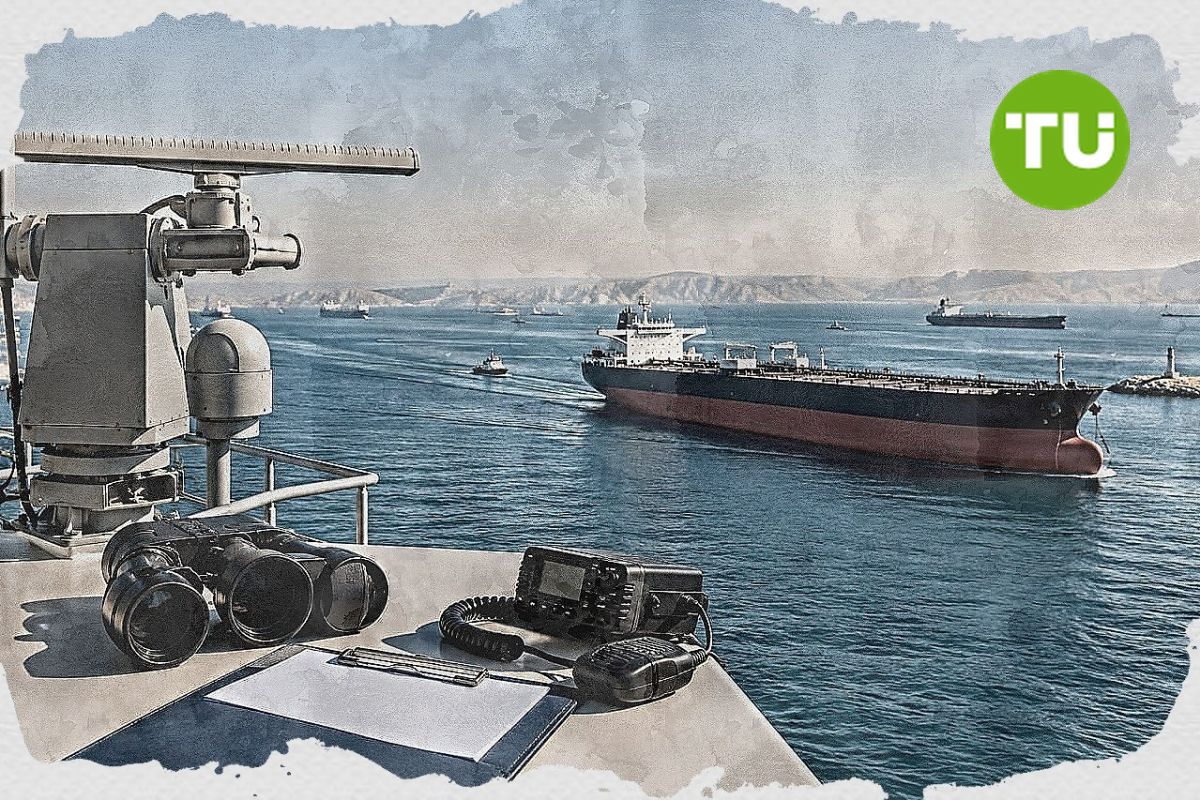
Around 20% of the world’s seaborne oil flows through the Strait of Hormuz, and the key shipping lanes from the Persian Gulf run through this corridor. Any threat of closure or disruption to vessel traffic immediately triggers a sharp jump in prices, while news of ceasefires, negotiations, or partial de‑escalation usually leads to a swift correction. As a result, the market looks less like a trend‑driven one and more like a reactive, news‑driven environment, where sentiment is driven by fresh headlines rather than pure fundamentals.
An embedded “war premium” still lingers in oil prices. Even in the absence of large‑scale combat operations, investors are pricing in the risk of supply disruptions, and such premiums typically persist as long as the conflict is perceived as unresolved. That is why crude is holding at relatively high levels, close to the 90 dollars per barrel zone, yet has not entered a sustained, directional uptrend. Instead, prices repeatedly spike and retreat within a broad range, rather than calmly breaking through key levels.
At the same time, part of the risk has shifted from the purely psychological to the physical realm. Iranian exports are constrained, logistics in the region remain unstable, and incidents such as vessel seizures or clashes near the Strait periodically block access to some crude volumes. This is no longer just traders’ “fear”; it reflects real supply disruptions, where a portion of oil simply does not reach the market, supporting an underlying deficit in the short term.
On balance, several forces are now at play: the risk of tangible supply disruptions, the lingering geopolitical premium, pressure on demand from high energy costs, and a continuous stream of news about negotiations, strikes, and local escalations. The net result is a market that appears extremely sensitive to headlines and prone to sharp, impulsive moves within a wide trading range, rather than a smooth, fundamental trend. The core idea is that, at present, oil is driven more by geopolitics and risk perception than by the classic interplay of economic‑cycle‑driven supply and demand.
Disappointment in the oil market over the lack of progress in U.S.–Iran talks has already manifested as a price rise, pushing U.S. crude up to test resistance around 91.50 dollars per barrel. However, after Donald Trump extended the suspension of hostilities, prices retraced to support near 87.00 dollars per barrel. Elevated volatility is likely to persist in the near term. If resistance at 91.50 is broken, the next target comes into view around 95.00 dollars per barrel, whereas a break below the 87.00 support zone would open the way toward the 85.50–85.00 dollars per barrel area.




Latest WTI News





-
 Afghanistan
-
 Albania
-
 Algeria
-
 Angola
-
 Argentina
-
 Armenia
-
 Australia
-
 Austria
-
 Azerbaijan
-
 Bahamas
-
 Bahrain
-
 Bangladesh
-
 Belarus
-
 Belgium
-
 Bolivia
-
 Botswana
-
 Brazil
-
 Brunei
-
 Bulgaria
-
 Cambodia
-
 Cameroon
-
 Canada
-
 Chile
Chile
-
 China
China
-
 Colombia
-
 Congo
Congo
-
 Costa Rica
-
 Cote d'Ivoire
-
 Croatia
-
 Cuba
Cuba
-
 Cyprus
-
 Czechia
-
 DR Congo
-
 Denmark
-
 Dominican Republic
-
 Ecuador
-
 Egypt
Egypt
-
 El Salvador
-
 Estonia
-
 Eswatini
-
 Ethiopia
-
 Finland
-
 France
-
 Georgia
-
 Germany
-
 Ghana
Ghana
-
 Greece
-
 Haiti
Haiti
-
 Hong Kong
-
 Hungary
-
 India
India
-
 Indonesia
-
 Iran, Islamic republic
-
 Iraq
Iraq
-
 Ireland
-
 Israel
-
 Italy
Italy
-
 Jamaica
-
 Japan
Japan
-
 Jordan
-
 Kazakhstan
-
 Kenya
Kenya
-
 Korea
Korea
-
 Kuwait
-
 Kyrgyzstan
-
 Laos
Laos
-
 Latvia
-
 Lebanon
-
 Lesotho
-
 Libya
Libya
-
 Lithuania
-
 Luxembourg
-
 Madagascar
-
 Malaysia
-
 Malta
Malta
-
 Mauritius
-
 Mexico
-
 Moldova
-
 Mongolia
-
 Montenegro
-
 Morocco
-
 Mozambique
-
 Myanmar
-
 Namibia
-
 Nepal
Nepal
-
 Netherlands
-
 New Zealand
-
 Nigeria
-
 North Macedonia
-
 Norway
-
 Oman
Oman
-
 Pakistan
-
 Palestine
-
 Panama
-
 Papua New Guinea
-
 Paraguay
-
 Peru
Peru
-
 Philippines
-
 Poland
-
 Portugal
-
 Puerto Rico
-
 Qatar
Qatar
-
 Reunion
-
 Romania
-
 Rwanda
-
 Saudi Arabia
-
 Serbia
-
 Singapore
-
 Slovakia
-
 Slovenia
-
 Somalia
-
 South Africa
-
 Spain
Spain
-
 Sri Lanka
-
 Sweden
-
 Switzerland
-
 Syria
Syria
-
 Taiwan
-
 Tajikistan
-
 Tanzania
-
 Thailand
-
 Trinidad and Tobago
-
 Tunisia
-
 Turkey
-
 UAE
UAE
-
 Uganda
-
 Ukraine
-
 United Kingdom
-
United States
-
 Uruguay
-
 Uzbekistan
-
 Venezuela
-
 Vietnam
-
 Yemen
Yemen
-
 Zambia
-
 Zimbabwe
- Forex
- Crypto











