
House Energy and Commerce Committee advances bill to repeal federal building energy rule
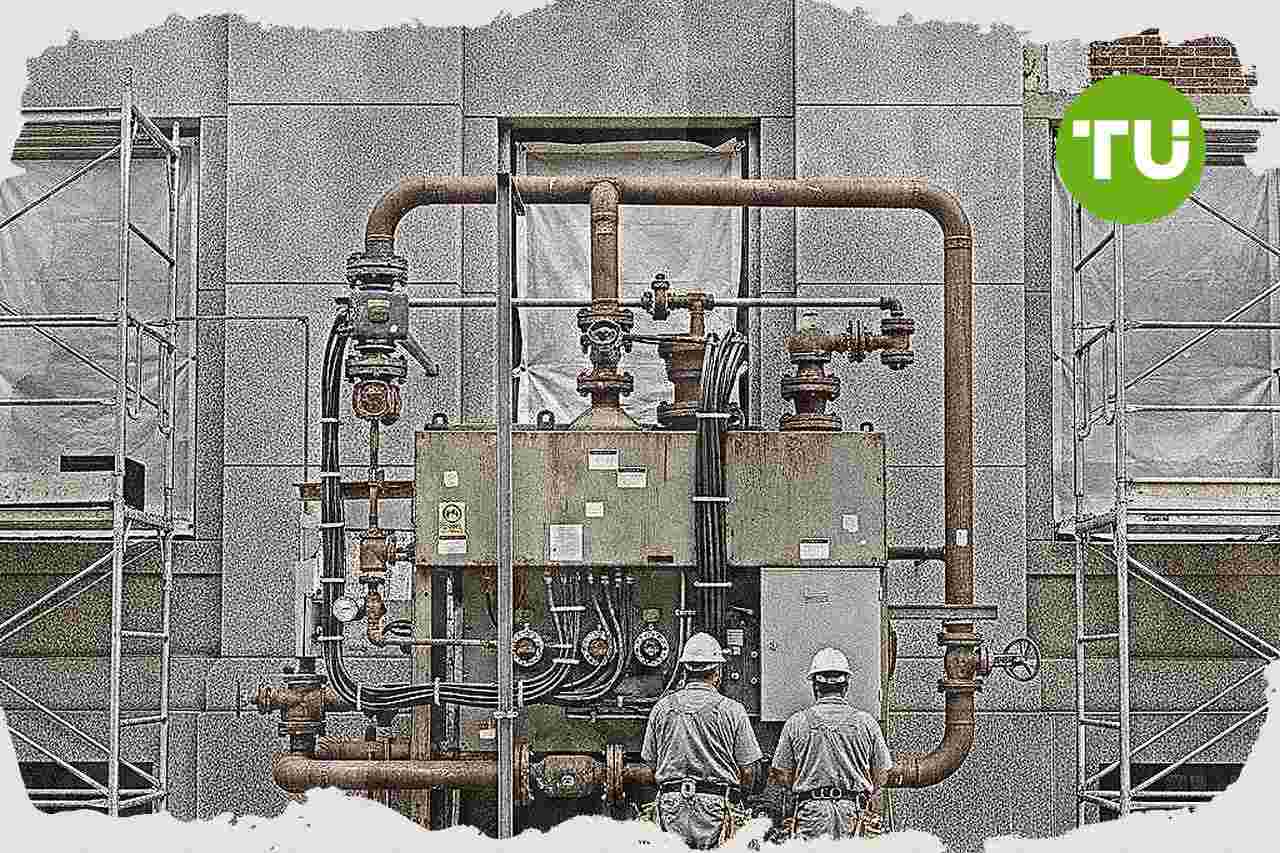
Republican lawmakers in the U.S. House are pushing to roll back a federal building energy mandate that would phase out on-site fossil fuel use in new and renovated government facilities by 2030. The effort centers on H.R. 4690, which passes the House 215-202 and is backed by several energy industry groups arguing the current rule could raise costs and strain power infrastructure.
Highlights
- House Energy and Commerce Committee advanced H.R. 4690, which would repeal Section 433 mandating all new federal buildings end on-site fossil fuel use by 2030.
- Major trade groups like the American Gas Association and companies including ONE Gas support repeal, citing grid capacity, operational flexibility, and taxpayer cost concerns.
- Industry argues shifting away from direct fossil fuel use in federal buildings risks grid strain, increased taxpayer energy costs, and unintended impacts on other utility customers.
Industry backing for repeal effort
As the House Committee on Energy and Commerce said, Chairman Brett Guthrie highlights support from U.S. energy producers for H.R. 4690, the Reliable Federal Infrastructure Act, which repeals Section 433 of the Energy Independence and Security Act of 2007.The provision requires the Department of Energy to force all new and renovated federal buildings to stop using on-site fossil fuel-generated energy by 2030. Supporters of the repeal say the mandate gives too much weight to electrification without fully accounting for grid capacity, building operations and taxpayer costs.
Trade groups including the American Gas Association, the American Public Gas Association, the Business Council for Sustainable Energy, the National Energy & Fuels Institute and the National Propane Gas Association say a fuel-neutral approach would better preserve reliability and flexibility for federal facilities. Company representatives from ONE Gas and Rinnai America also voice support, citing concerns over resilience, infrastructure needs and the suitability of one-size-fits-all standards for military bases and other mission-critical sites.
Cost, reliability and infrastructure concerns
Industry supporters argue that shifting federal buildings away from direct fossil fuel use could increase peak electricity demand and require broader grid investment that has not been fully reflected in federal planning. They also say forcing buildings to switch fuels could transfer natural gas system costs to other customers while raising energy expenses borne by taxpayers.Several statements emphasize that federal energy policy should allow agencies and facility managers to choose technologies based on local conditions, operational needs and security requirements. The debate positions H.R. 4690 as part of a broader argument over how the U.S. should balance decarbonization goals with energy reliability, affordability and infrastructure readiness.
Our earlier report on the DOJ’s approval of the Department of Energy’s Defense Production Act nuclear fuel consortium explained how Washington is trying to strengthen domestic nuclear fuel capacity to support reliable power and energy independence. The update allows U.S. nuclear companies to coordinate across the fuel supply chain under a limited antitrust framework, with ongoing federal oversight, as part of a broader push to reduce reliance on foreign sources.





Latest Natural Gas News








-
 Afghanistan
-
 Albania
-
 Algeria
-
 Angola
-
 Argentina
-
 Armenia
-
 Australia
-
 Austria
-
 Azerbaijan
-
 Bahamas
-
 Bahrain
-
 Bangladesh
-
 Belarus
-
 Belgium
-
 Bolivia
-
 Botswana
-
 Brazil
-
 Brunei
-
 Bulgaria
-
 Cambodia
-
 Cameroon
-
 Canada
-
 Chile
Chile
-
 China
China
-
 Colombia
-
 Congo
Congo
-
 Costa Rica
-
 Cote d'Ivoire
-
 Croatia
-
 Cuba
Cuba
-
 Cyprus
-
 Czechia
-
 DR Congo
-
 Denmark
-
 Dominican Republic
-
 Ecuador
-
 Egypt
Egypt
-
 El Salvador
-
 Estonia
-
 Eswatini
-
 Ethiopia
-
 Finland
-
 France
-
 Georgia
-
 Germany
-
 Ghana
Ghana
-
 Greece
-
 Haiti
Haiti
-
 Hong Kong
-
 Hungary
-
 India
India
-
 Indonesia
-
 Iran, Islamic republic
-
 Iraq
Iraq
-
 Ireland
-
 Israel
-
 Italy
Italy
-
 Jamaica
-
 Japan
Japan
-
 Jordan
-
 Kazakhstan
-
 Kenya
Kenya
-
 Korea
Korea
-
 Kuwait
-
 Kyrgyzstan
-
 Laos
Laos
-
 Latvia
-
 Lebanon
-
 Lesotho
-
 Libya
Libya
-
 Lithuania
-
 Luxembourg
-
 Madagascar
-
 Malaysia
-
 Malta
Malta
-
 Mauritius
-
 Mexico
-
 Moldova
-
 Mongolia
-
 Montenegro
-
 Morocco
-
 Mozambique
-
 Myanmar
-
 Namibia
-
 Nepal
Nepal
-
 Netherlands
-
 New Zealand
-
 Nigeria
-
 North Macedonia
-
 Norway
-
 Oman
Oman
-
 Pakistan
-
 Palestine
-
 Panama
-
 Papua New Guinea
-
 Paraguay
-
 Peru
Peru
-
 Philippines
-
 Poland
-
 Portugal
-
 Puerto Rico
-
 Qatar
Qatar
-
 Reunion
-
 Romania
-
 Rwanda
-
 Saudi Arabia
-
 Serbia
-
 Singapore
-
 Slovakia
-
 Slovenia
-
 Somalia
-
 South Africa
-
 Spain
Spain
-
 Sri Lanka
-
 Sweden
-
 Switzerland
-
 Syria
Syria
-
 Taiwan
-
 Tajikistan
-
 Tanzania
-
 Thailand
-
 Trinidad and Tobago
-
 Tunisia
-
 Turkey
-
 UAE
UAE
-
 Uganda
-
 Ukraine
-
 United Kingdom
-
United States
-
 Uruguay
-
 Uzbekistan
-
 Venezuela
-
 Vietnam
-
 Yemen
Yemen
-
 Zambia
-
 Zimbabwe
- Forex
- Crypto












