
U.S. Justice Department approves updated DOE nuclear fuel consortium plan
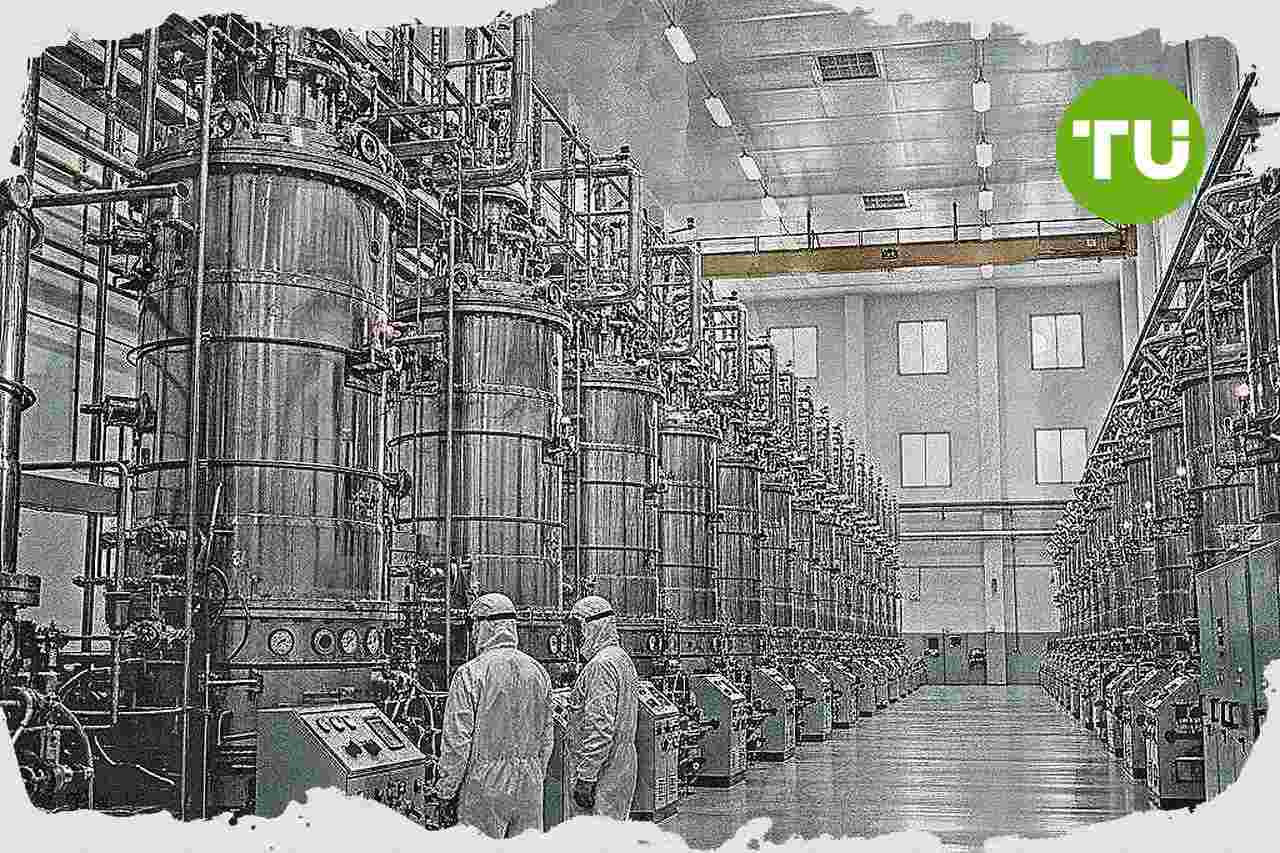
The Justice Department’s Antitrust Division has approved updated agreements for the U.S. Department of Energy’s Defense Production Act Consortium as Washington pushes to strengthen domestic nuclear fuel capacity. The move is designed to support energy independence and expand U.S. access to key parts of the nuclear fuel supply chain, from mining to fabrication and recycling.
Highlights
- The U.S. Department of Justice approved the updated DOE nuclear fuel consortium plan, allowing coordination among U.S. nuclear energy companies to boost domestic fuel supply.
- The framework, linked to President Trump’s Executive Order, seeks to reduce reliance on foreign enriched uranium and strengthen the entire American nuclear fuel chain.
- Section 708 of the Defense Production Act provides the consortium a limited antitrust defense, with ongoing monitoring by the DOJ, FTC, and DOE.
Approval framework for nuclear fuel coordination
As reported by the U.S. Department of Justice, the approval follows consultation with the Federal Trade Commission and covers the consortium’s updated Voluntary Agreement and related Plans of Action. The department says the framework allows U.S. nuclear energy companies to coordinate on steps intended to increase domestic fuel availability and support reliable power supply.Acting Assistant Attorney General Omeed A. Assefi says the Defense Production Act is a key tool for addressing defense and preparedness needs and adds that the department is working with the Department of Energy on the consortium’s goals. Assistant Secretary of Nuclear Energy Ted Garrish says the effort comes at a pivotal time for U.S. nuclear energy growth and points to near-term goals for building a stronger American-made nuclear fuel supply.
The approved arrangements are tied to President Trump’s Executive Order on reinvigorating the nuclear industrial base. The government says the agreements are meant to reduce reliance on foreign sources of enriched uranium and other critical materials while enabling domestic companies to work together across the supply chain.
Industry impact and antitrust oversight
The plans span major segments of the nuclear fuel chain, including mining and milling, conversion, enrichment, deconversion, fabrication, recycling and reprocessing. Federal officials say that capacity across these stages is needed to support the continued reliable operation of the nation’s reactors.Section 708 of the Defense Production Act authorizes industry agreements considered necessary to meet national defense requirements. The Justice Department says a limited antitrust defense applies to actions taken to develop or carry out approved agreements, while the department, the FTC and the DOE continue monitoring the consortium’s implementation.
In our earlier article on U.S. lawmakers’ push to secure critical mineral supply chains, we outlined how congressional debates are tying domestic mining, processing, and recycling capacity to national security and industrial competitiveness. The piece highlighted proposals to reform environmental rules and advance legislation aimed at reshoring key stages of the supply chain to reduce dependence on foreign—particularly Chinese—sources.




Latest Natural Gas News






-
 Afghanistan
-
 Albania
-
 Algeria
-
 Angola
-
 Argentina
-
 Armenia
-
 Australia
-
 Austria
-
 Azerbaijan
-
 Bahamas
-
 Bahrain
-
 Bangladesh
-
 Belarus
-
 Belgium
-
 Bolivia
-
 Botswana
-
 Brazil
-
 Brunei
-
 Bulgaria
-
 Cambodia
-
 Cameroon
-
 Canada
-
 Chile
Chile
-
 China
China
-
 Colombia
-
 Congo
Congo
-
 Costa Rica
-
 Cote d'Ivoire
-
 Croatia
-
 Cuba
Cuba
-
 Cyprus
-
 Czechia
-
 DR Congo
-
 Denmark
-
 Dominican Republic
-
 Ecuador
-
 Egypt
Egypt
-
 El Salvador
-
 Estonia
-
 Eswatini
-
 Ethiopia
-
 Finland
-
 France
-
 Georgia
-
 Germany
-
 Ghana
Ghana
-
 Greece
-
 Haiti
Haiti
-
 Hong Kong
-
 Hungary
-
 India
India
-
 Indonesia
-
 Iran, Islamic republic
-
 Iraq
Iraq
-
 Ireland
-
 Israel
-
 Italy
Italy
-
 Jamaica
-
 Japan
Japan
-
 Jordan
-
 Kazakhstan
-
 Kenya
Kenya
-
 Korea
Korea
-
 Kuwait
-
 Kyrgyzstan
-
 Laos
Laos
-
 Latvia
-
 Lebanon
-
 Lesotho
-
 Libya
Libya
-
 Lithuania
-
 Luxembourg
-
 Madagascar
-
 Malaysia
-
 Malta
Malta
-
 Mauritius
-
 Mexico
-
 Moldova
-
 Mongolia
-
 Montenegro
-
 Morocco
-
 Mozambique
-
 Myanmar
-
 Namibia
-
 Nepal
Nepal
-
 Netherlands
-
 New Zealand
-
 Nigeria
-
 North Macedonia
-
 Norway
-
 Oman
Oman
-
 Pakistan
-
 Palestine
-
 Panama
-
 Papua New Guinea
-
 Paraguay
-
 Peru
Peru
-
 Philippines
-
 Poland
-
 Portugal
-
 Puerto Rico
-
 Qatar
Qatar
-
 Reunion
-
 Romania
-
 Rwanda
-
 Saudi Arabia
-
 Serbia
-
 Singapore
-
 Slovakia
-
 Slovenia
-
 Somalia
-
 South Africa
-
 Spain
Spain
-
 Sri Lanka
-
 Sweden
-
 Switzerland
-
 Syria
Syria
-
 Taiwan
-
 Tajikistan
-
 Tanzania
-
 Thailand
-
 Trinidad and Tobago
-
 Tunisia
-
 Turkey
-
 UAE
UAE
-
 Uganda
-
 Ukraine
-
 United Kingdom
-
United States
-
 Uruguay
-
 Uzbekistan
-
 Venezuela
-
 Vietnam
-
 Yemen
Yemen
-
 Zambia
-
 Zimbabwe
- Forex
- Crypto












