
House Energy and Commerce panel examines critical mineral supply chain reforms in U.S.
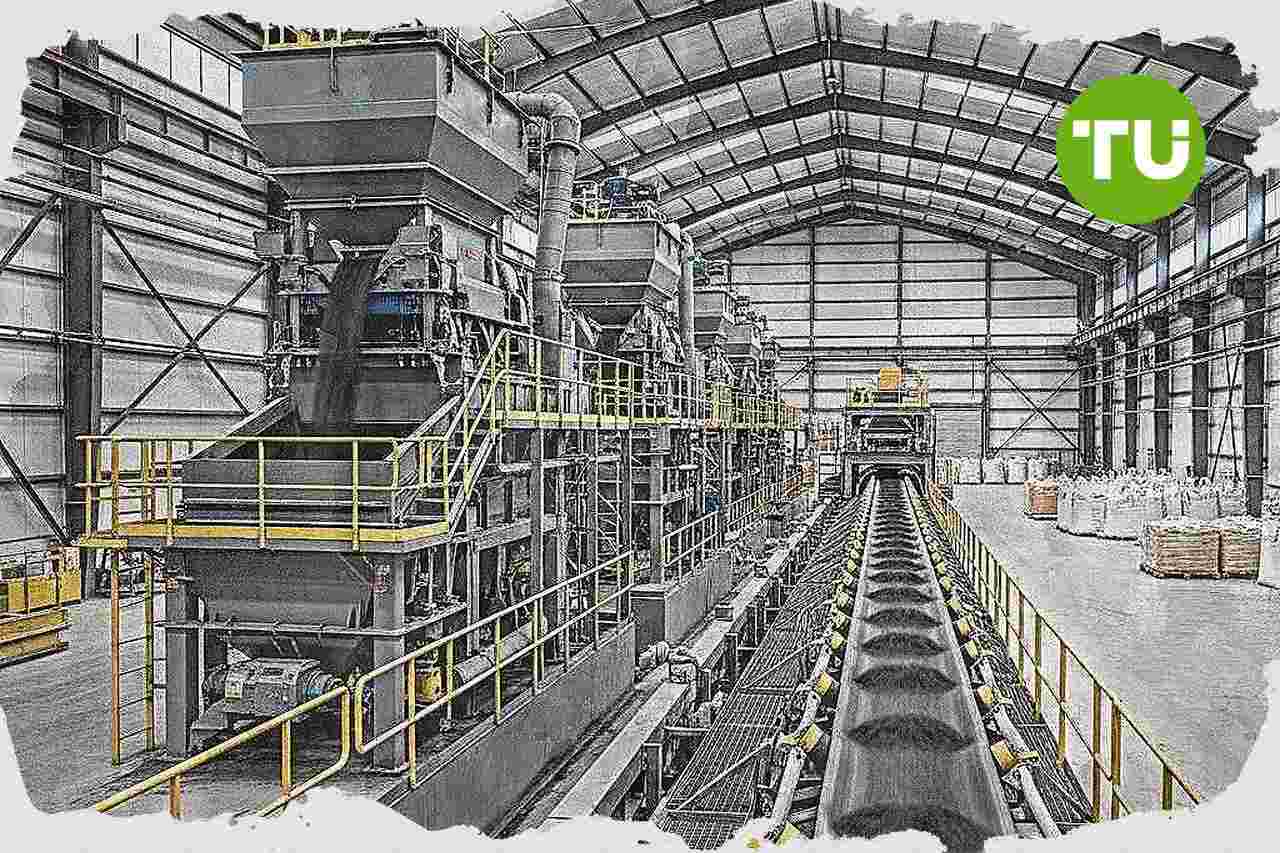
U.S. lawmakers are weighing changes to environmental policy as concerns grow over the country’s dependence on foreign critical mineral supply chains. The debate is linking domestic mining, processing and recycling capacity to national security, manufacturing competitiveness and battery material recovery.
Highlights
- Chairman Gary Palmer highlights U.S. dependence on China for nearly two dozen critical minerals vital to national security and defense.
- Palmer urges passage of H.R. 4370, the Securing America’s Mineral Supply Act, to codify Trump-era executive orders promoting domestic mining and processing.
- The committee’s review of environmental laws seeks comprehensive reform to enable U.S. mining, chemicals production, processing, and battery recycling infrastructure.
Hearing focuses on mining, processing and recycling policy
As reported by the House Committee on Energy and Commerce, Subcommittee on Environment Chairman Gary Palmer delivers an opening statement at a hearing on how U.S. environmental laws affect critical material supply chains, national security and economic growth.Palmer says the United States has extensive natural resources and was a leading producer and refiner of critical minerals for much of the 20th century. He argues that China has spent decades strengthening its position in the global critical minerals market, creating risks for U.S. defense needs and industrial capacity.
He says China is now responsible for producing nearly two dozen critical minerals that are important to national security and defense. Palmer also points to battery recycling, saying most "black mass" recovered from lithium-ion batteries is shipped to China for recycling.
Legislative agenda targets domestic supply chain buildout
Palmer says President Trump has issued several executive orders directing federal agencies to address those risks and support the reshoring of domestic critical mineral mining and processing. He adds that his bill, H.R. 4370, the Securing America’s Mineral Supply Act, would codify those policies.He says the committee’s review of the Toxic Substances Control Act, the Resource Conservation and Recovery Act and other environmental laws should support the return of the full critical mineral supply chain to the United States. In his view, expanding mining alone would be insufficient without parallel support for chemicals manufacturing, energy inputs, processing facilities and end-of-life recovery and recycling infrastructure.
Palmer says the committee is positioned to advance legislative reforms because of its broad jurisdiction. He introduces hearing witnesses from Principal Mineral, Resources for the Future, AMG Vanadium and Redwood Materials, presenting the session as part of a broader push to strengthen domestic critical mineral supply chains.
In our earlier article, we covered House Republicans advancing a FY2027 national security and State Department funding bill that would cut discretionary spending versus FY2026 while prioritizing oversight and core security objectives. We noted the measure maintains support for allies such as Israel, Jordan, Egypt, and Taiwan, and frames China, Iran, Cuba, and drug cartels as key threats as it moves through the appropriations process.




Latest Government News










-
 Afghanistan
-
 Albania
-
 Algeria
-
 Angola
-
 Argentina
-
 Armenia
-
 Australia
-
 Austria
-
 Azerbaijan
-
 Bahamas
-
 Bahrain
-
 Bangladesh
-
 Belarus
-
 Belgium
-
 Bolivia
-
 Botswana
-
 Brazil
-
 Brunei
-
 Bulgaria
-
 Cambodia
-
 Cameroon
-
 Canada
-
 Chile
Chile
-
 China
China
-
 Colombia
-
 Congo
Congo
-
 Costa Rica
-
 Cote d'Ivoire
-
 Croatia
-
 Cuba
Cuba
-
 Cyprus
-
 Czechia
-
 DR Congo
-
 Denmark
-
 Dominican Republic
-
 Ecuador
-
 Egypt
Egypt
-
 El Salvador
-
 Estonia
-
 Eswatini
-
 Ethiopia
-
 Finland
-
 France
-
 Georgia
-
 Germany
-
 Ghana
Ghana
-
 Greece
-
 Haiti
Haiti
-
 Hong Kong
-
 Hungary
-
 India
India
-
 Indonesia
-
 Iran, Islamic republic
-
 Iraq
Iraq
-
 Ireland
-
 Israel
-
 Italy
Italy
-
 Jamaica
-
 Japan
Japan
-
 Jordan
-
 Kazakhstan
-
 Kenya
Kenya
-
 Korea
Korea
-
 Kuwait
-
 Kyrgyzstan
-
 Laos
Laos
-
 Latvia
-
 Lebanon
-
 Lesotho
-
 Libya
Libya
-
 Lithuania
-
 Luxembourg
-
 Madagascar
-
 Malaysia
-
 Malta
Malta
-
 Mauritius
-
 Mexico
-
 Moldova
-
 Mongolia
-
 Montenegro
-
 Morocco
-
 Mozambique
-
 Myanmar
-
 Namibia
-
 Nepal
Nepal
-
 Netherlands
-
 New Zealand
-
 Nigeria
-
 North Macedonia
-
 Norway
-
 Oman
Oman
-
 Pakistan
-
 Palestine
-
 Panama
-
 Papua New Guinea
-
 Paraguay
-
 Peru
Peru
-
 Philippines
-
 Poland
-
 Portugal
-
 Puerto Rico
-
 Qatar
Qatar
-
 Reunion
-
 Romania
-
 Rwanda
-
 Saudi Arabia
-
 Serbia
-
 Singapore
-
 Slovakia
-
 Slovenia
-
 Somalia
-
 South Africa
-
 Spain
Spain
-
 Sri Lanka
-
 Sweden
-
 Switzerland
-
 Syria
Syria
-
 Taiwan
-
 Tajikistan
-
 Tanzania
-
 Thailand
-
 Trinidad and Tobago
-
 Tunisia
-
 Turkey
-
 UAE
UAE
-
 Uganda
-
 Ukraine
-
 United Kingdom
-
United States
-
 Uruguay
-
 Uzbekistan
-
 Venezuela
-
 Vietnam
-
 Yemen
Yemen
-
 Zambia
-
 Zimbabwe
- Forex
- Crypto












