
Trump signs law reopening Minnesota mining area to mineral development
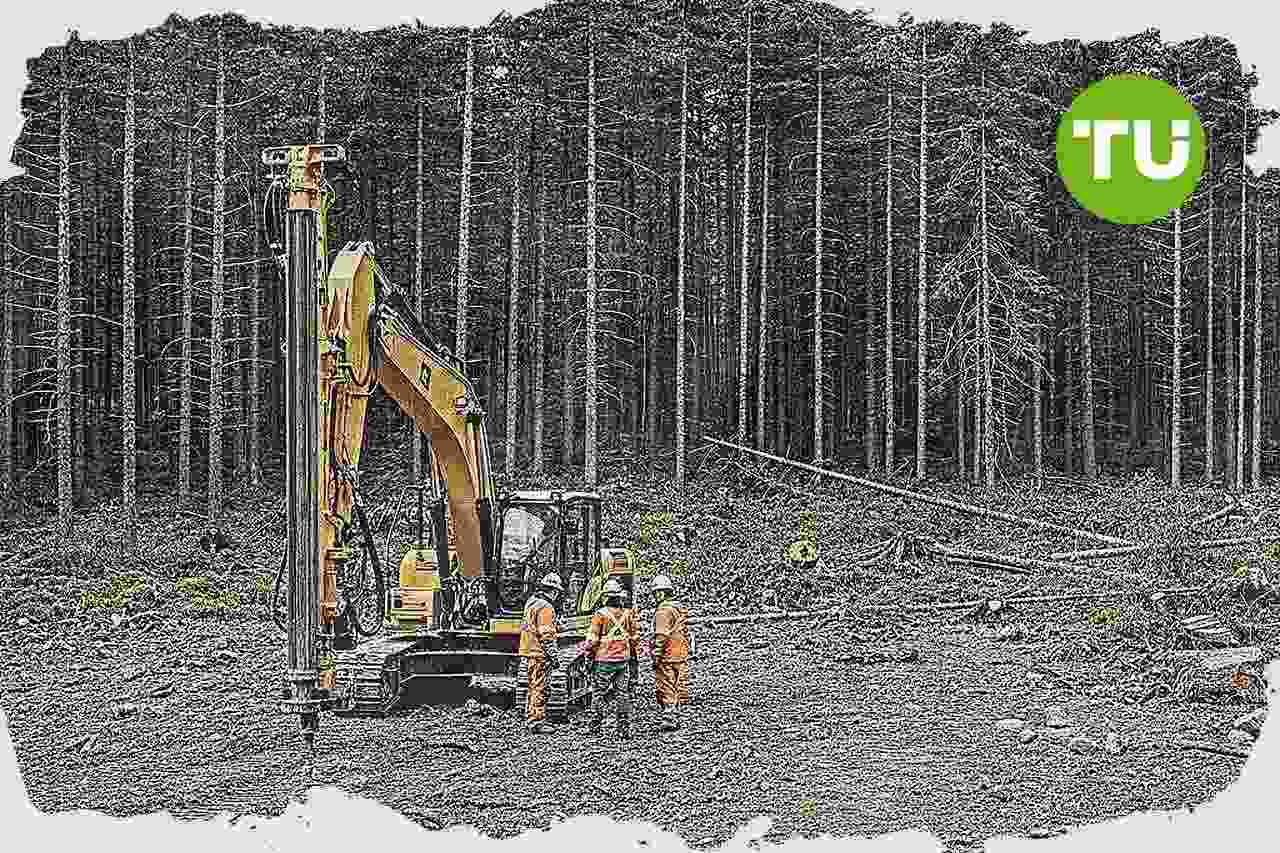
Federal mining policy in northern Minnesota shifts this week after President Donald Trump signs legislation reversing a land withdrawal in the Superior National Forest. The move affects 225,504 acres and reopens the possibility of mineral exploration and development, while leaving any specific project subject to environmental review and permitting.
Highlights
- Trump signs H.J. Res. 140 into law, reversing Biden’s 20-year mineral leasing withdrawal in Superior National Forest and blocking future similar bans.
- The Duluth Complex in northern Minnesota contains nearly 8 billion tons of minerals, potentially representing 95% of U.S. nickel and 88% of cobalt reserves.
- The legislation reopens federal lands to mining proposals, supporting U.S. mineral supply chain security and Minnesota’s mining workforce, while retaining permitting requirements.
Legislation reverses Superior forest withdrawal
As announced by the House Committee on Natural Resources, Trump signs H.J. Res. 140 into law this week, overturning the Biden administration’s 20-year withdrawal of land in the Superior National Forest from federal mineral leasing. The measure is led by House Committee on Natural Resources Subcommittee on Energy and Mineral Resources Chairman Pete Stauber of Minnesota.The resolution targets Public Land Order 7917, which Interior Secretary Deb Haaland signs in January 2023 after the Biden administration cancels two decades-old mineral leases held by Twin Metals Minnesota in January 2022. Lawmakers backing the measure say the withdrawal blocks mining activity in an area they view as strategically important for domestic mineral supply.
Under the Congressional Review Act, H.J. Res. 140 eliminates PLO 7917 and prevents similar action in the future. The legislation passes the U.S. House of Representatives on January 21, 2026, and the U.S. Senate on April 16, 2026.
Critical minerals and regional industry implications
The Duluth Complex in northern Minnesota contains nearly 8 billion tons of critical minerals, according to the text of the announcement. If developed, the region could account for 95 percent of America’s nickel reserves, 88 percent of America’s cobalt reserves, one-third of America’s copper reserves and 75 percent of U.S. platinum-group resources.Supporters of the law argue the reversal strengthens domestic sourcing of minerals used in industrial and energy supply chains and supports Minnesota’s mining workforce. They also say the measure does not automatically approve any one mining project, but instead allows proposals to proceed through state and federal environmental review and permitting processes.
Our previous report on the U.S.-EU Action Plan for Critical Minerals outlined how Washington and Brussels are aligning policy to secure strategic supply chains and reduce industrial risks. The talks also highlighted major EU investments in U.S. automotive, pharmaceutical, and energy sectors, alongside a broader focus on economic security measures such as investment screening and resilience in key commodities.




Latest Legislation News









-
 Afghanistan
-
 Albania
-
 Algeria
-
 Angola
-
 Argentina
-
 Armenia
-
 Australia
-
 Austria
-
 Azerbaijan
-
 Bahamas
-
 Bahrain
-
 Bangladesh
-
 Belarus
-
 Belgium
-
 Bolivia
-
 Botswana
-
 Brazil
-
 Brunei
-
 Bulgaria
-
 Cambodia
-
 Cameroon
-
 Canada
-
 Chile
Chile
-
 China
China
-
 Colombia
-
 Congo
Congo
-
 Costa Rica
-
 Cote d'Ivoire
-
 Croatia
-
 Cuba
Cuba
-
 Cyprus
-
 Czechia
-
 DR Congo
-
 Denmark
-
 Dominican Republic
-
 Ecuador
-
 Egypt
Egypt
-
 El Salvador
-
 Estonia
-
 Eswatini
-
 Ethiopia
-
 Finland
-
 France
-
 Georgia
-
 Germany
-
 Ghana
Ghana
-
 Greece
-
 Haiti
Haiti
-
 Hong Kong
-
 Hungary
-
 India
India
-
 Indonesia
-
 Iran, Islamic republic
-
 Iraq
Iraq
-
 Ireland
-
 Israel
-
 Italy
Italy
-
 Jamaica
-
 Japan
Japan
-
 Jordan
-
 Kazakhstan
-
 Kenya
Kenya
-
 Korea
Korea
-
 Kuwait
-
 Kyrgyzstan
-
 Laos
Laos
-
 Latvia
-
 Lebanon
-
 Lesotho
-
 Libya
Libya
-
 Lithuania
-
 Luxembourg
-
 Madagascar
-
 Malaysia
-
 Malta
Malta
-
 Mauritius
-
 Mexico
-
 Moldova
-
 Mongolia
-
 Montenegro
-
 Morocco
-
 Mozambique
-
 Myanmar
-
 Namibia
-
 Nepal
Nepal
-
 Netherlands
-
 New Zealand
-
 Nigeria
-
 North Macedonia
-
 Norway
-
 Oman
Oman
-
 Pakistan
-
 Palestine
-
 Panama
-
 Papua New Guinea
-
 Paraguay
-
 Peru
Peru
-
 Philippines
-
 Poland
-
 Portugal
-
 Puerto Rico
-
 Qatar
Qatar
-
 Reunion
-
 Romania
-
 Rwanda
-
 Saudi Arabia
-
 Serbia
-
 Singapore
-
 Slovakia
-
 Slovenia
-
 Somalia
-
 South Africa
-
 Spain
Spain
-
 Sri Lanka
-
 Sweden
-
 Switzerland
-
 Syria
Syria
-
 Taiwan
-
 Tajikistan
-
 Tanzania
-
 Thailand
-
 Trinidad and Tobago
-
 Tunisia
-
 Turkey
-
 UAE
UAE
-
 Uganda
-
 Ukraine
-
 United Kingdom
-
United States
-
 Uruguay
-
 Uzbekistan
-
 Venezuela
-
 Vietnam
-
 Yemen
Yemen
-
 Zambia
-
 Zimbabwe
- Forex
- Crypto












