
U.S.-EU officials discuss critical minerals plan and economic security priorities
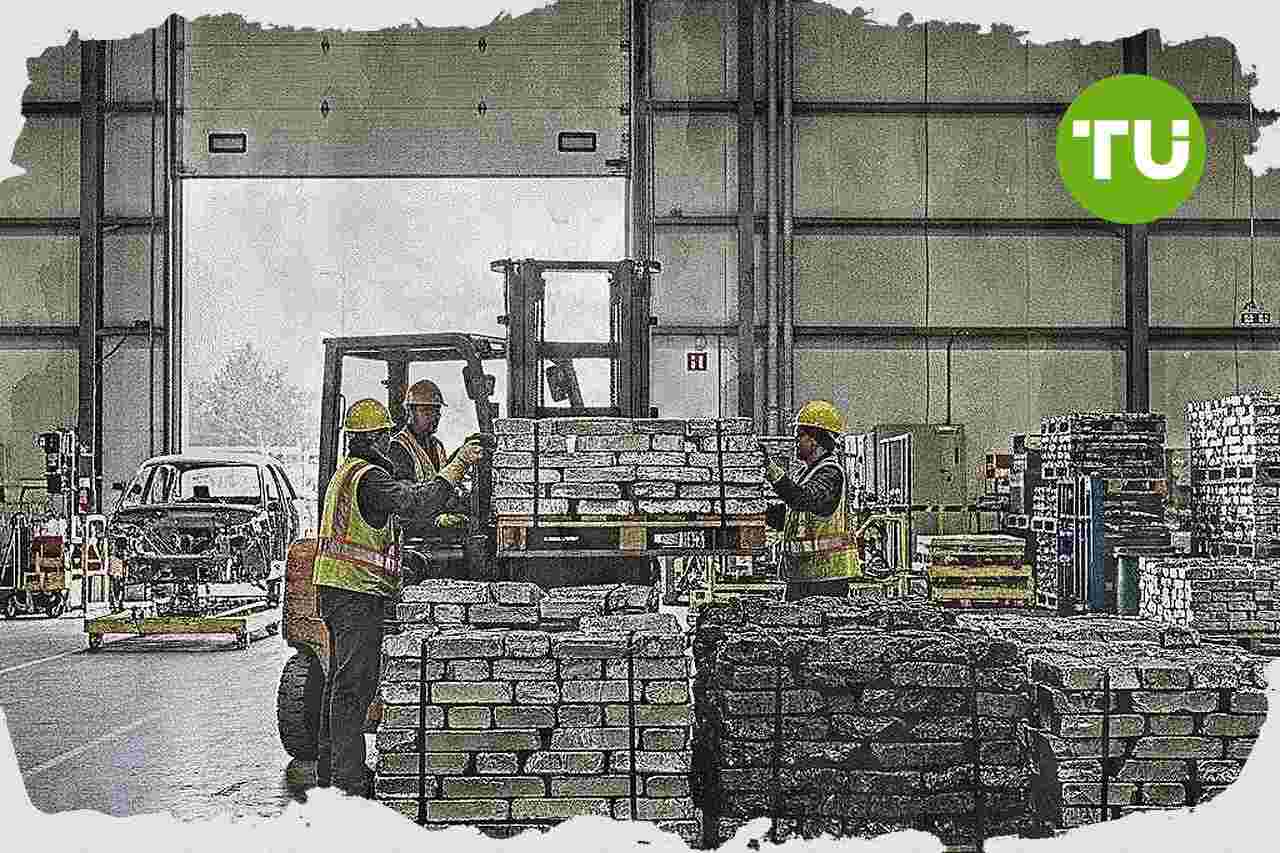
The U.S. and the European Union are advancing coordination on trade and economic security as both sides seek to strengthen strategic supply chains and manage industrial risks. Treasury Secretary Scott Bessent and European Commissioner Maroš Šefčovič also reviewed progress on the 2025 EU-U.S. Joint Statement, including major EU investment in U.S. autos, pharmaceuticals, and energy.
Highlights
- U.S. and EU officials discussed the U.S.-EU Action Plan for Critical Minerals and highlighted significant EU investments in U.S. automotive, pharmaceutical, and energy sectors.
- Talks emphasized joint priorities on investment screening, economic security, and mitigating risks from overcapacity production to strengthen transatlantic industrial and supply chain resilience.
- Officials addressed wider security issues including Iran's threat to the Strait of Hormuz and focused on ensuring food and fertilizer supply chain stability during the U.S. G20 Presidency.
Critical minerals and investment coordination
As reported by the U.S. Department of the Treasury, Bessent met Šefčovič in Washington last Friday to discuss the new U.S.-EU Action Plan for Critical Minerals and broader transatlantic economic cooperation. The talks also cover progress under the 2025 EU-U.S. Joint Statement, with the Treasury noting significant EU investments in American automotive, pharmaceutical, and energy sectors.Bessent highlights shared priorities on economic security, investment screening, and efforts to address risks linked to overcapacity production. The agenda points to continued U.S.-EU alignment on industrial policy and supply chain resilience in strategic sectors.
Broader trade and geopolitical implications
The meeting also extends beyond investment and manufacturing policy into wider economic security concerns. Bessent underscores the importance of addressing Iran’s threat to the Strait of Hormuz, a key global shipping route for energy supplies.He also notes that the U.S. G20 Presidency is focusing on efforts to keep food and fertilizer supply chains functioning smoothly. That emphasis connects trade policy discussions with broader concerns over commodity flows, inflation risks, and global market stability.
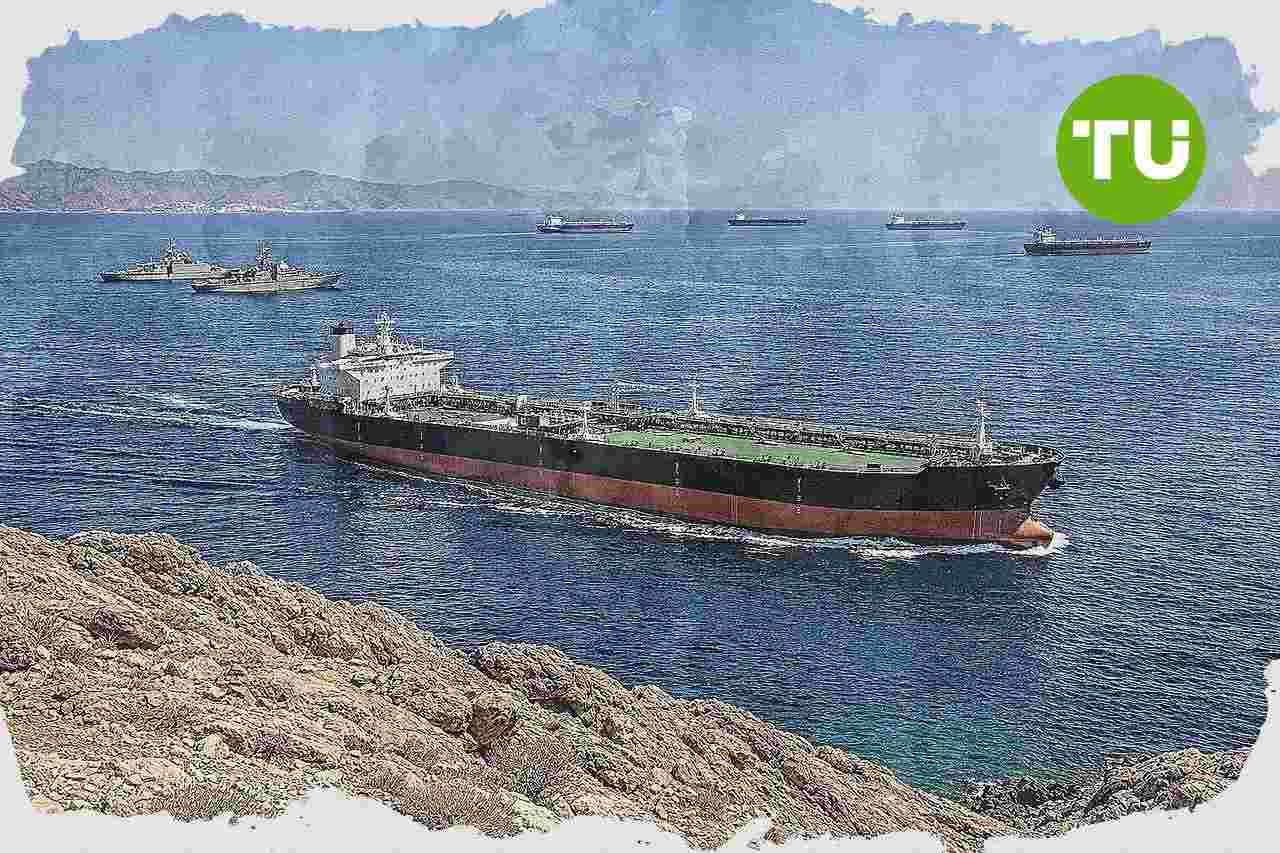
Our earlier coverage of the Strait of Hormuz disruption explained how the blockade sharply constrained tanker traffic and triggered an extreme global inventory draw, pushing crude prices higher. We also noted that the resulting supply shock led major banks to raise their Brent forecasts and warned of wider risks to inflation and global economic stability if the disruption persists.




Latest Iran war News







-
 Afghanistan
-
 Albania
-
 Algeria
-
 Angola
-
 Argentina
-
 Armenia
-
 Australia
-
 Austria
-
 Azerbaijan
-
 Bahamas
-
 Bahrain
-
 Bangladesh
-
 Belarus
-
 Belgium
-
 Bolivia
-
 Botswana
-
 Brazil
-
 Brunei
-
 Bulgaria
-
 Cambodia
-
 Cameroon
-
 Canada
-
 Chile
Chile
-
 China
China
-
 Colombia
-
 Congo
Congo
-
 Costa Rica
-
 Cote d'Ivoire
-
 Croatia
-
 Cuba
Cuba
-
 Cyprus
-
 Czechia
-
 DR Congo
-
 Denmark
-
 Dominican Republic
-
 Ecuador
-
 Egypt
Egypt
-
 El Salvador
-
 Estonia
-
 Eswatini
-
 Ethiopia
-
 Finland
-
 France
-
 Georgia
-
 Germany
-
 Ghana
Ghana
-
 Greece
-
 Haiti
Haiti
-
 Hong Kong
-
 Hungary
-
 India
India
-
 Indonesia
-
 Iran, Islamic republic
-
 Iraq
Iraq
-
 Ireland
-
 Israel
-
 Italy
Italy
-
 Jamaica
-
 Japan
Japan
-
 Jordan
-
 Kazakhstan
-
 Kenya
Kenya
-
 Korea
Korea
-
 Kuwait
-
 Kyrgyzstan
-
 Laos
Laos
-
 Latvia
-
 Lebanon
-
 Lesotho
-
 Libya
Libya
-
 Lithuania
-
 Luxembourg
-
 Madagascar
-
 Malaysia
-
 Malta
Malta
-
 Mauritius
-
 Mexico
-
 Moldova
-
 Mongolia
-
 Montenegro
-
 Morocco
-
 Mozambique
-
 Myanmar
-
 Namibia
-
 Nepal
Nepal
-
 Netherlands
-
 New Zealand
-
 Nigeria
-
 North Macedonia
-
 Norway
-
 Oman
Oman
-
 Pakistan
-
 Palestine
-
 Panama
-
 Papua New Guinea
-
 Paraguay
-
 Peru
Peru
-
 Philippines
-
 Poland
-
 Portugal
-
 Puerto Rico
-
 Qatar
Qatar
-
 Reunion
-
 Romania
-
 Rwanda
-
 Saudi Arabia
-
 Serbia
-
 Singapore
-
 Slovakia
-
 Slovenia
-
 Somalia
-
 South Africa
-
 Spain
Spain
-
 Sri Lanka
-
 Sweden
-
 Switzerland
-
 Syria
Syria
-
 Taiwan
-
 Tajikistan
-
 Tanzania
-
 Thailand
-
 Trinidad and Tobago
-
 Tunisia
-
 Turkey
-
 UAE
UAE
-
 Uganda
-
 Ukraine
-
 United Kingdom
-
United States
-
 Uruguay
-
 Uzbekistan
-
 Venezuela
-
 Vietnam
-
 Yemen
Yemen
-
 Zambia
-
 Zimbabwe
- Forex
- Crypto












