
U.S. says deal will reopen Strait of Hormuz amid oil market disruption
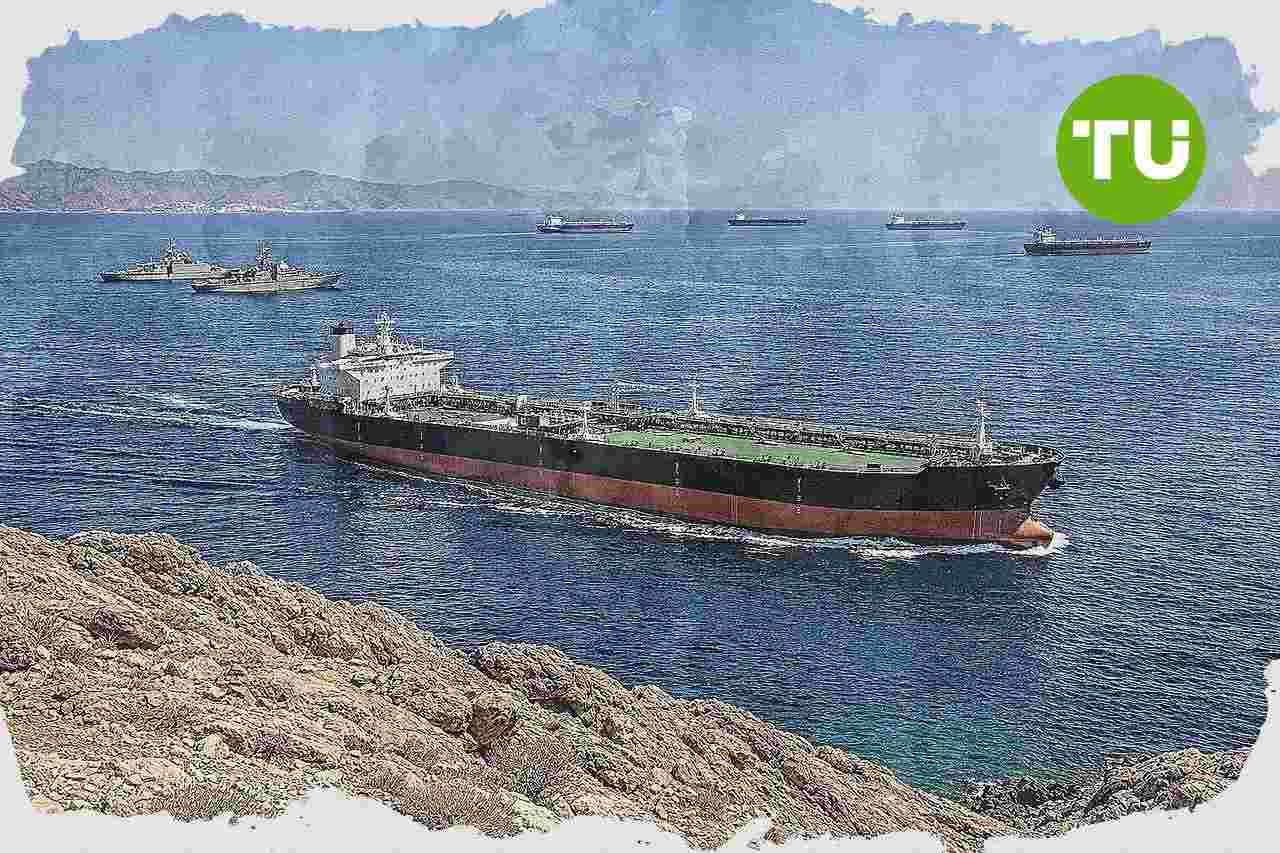
After 15 weeks of conflict that disrupted global energy supplies, the U.S. says it has reached a deal with Iran to reopen the Strait of Hormuz. The move could ease pressure on oil and fuel markets, although Iran has not yet publicly confirmed the agreement.
Highlights
- President Donald Trump announces a completed deal with Iran to reopen the Strait of Hormuz and lift the U.S. naval blockade, with a formal signing scheduled for June 19.
- Iran's shutdown of the Strait since February 28, including brief reopening and re-closure, led to the worst disruption in global oil markets on record according to the IEA.
- Brent crude prices exceeded $100 a barrel on March 8, U.S. gasoline topped $4 a gallon by March-end, and jet fuel reached over $200 a barrel in April, escalating inflation and triggering airline route cuts.
Terms of the announced agreement
As reported by Business Insider, President Donald Trump says on TruthSocial that the deal with Iran is complete and that he is authorizing the toll-free reopening of the Strait of Hormuz alongside the immediate removal of the U.S. naval blockade.Trump does not immediately provide further details on the arrangement. Pakistan Prime Minister Shehbaz Sharif, who is acting as a mediator in the negotiations, says the official signing ceremony is set for June 19 and that mediators will facilitate meetings this week before technical talks and formal signing.
The Trump administration also seeks assurances from Iran that it will stop enriching uranium, but it does not say whether that condition is included in the initial agreement announced on Sunday.
Energy and economic stakes
Iran effectively shuts down the Strait of Hormuz to most shipping traffic after the U.S. and Israel launch surprise attacks on February 28. It briefly reopens the waterway in April under a ceasefire deal with the U.S., but closes it again after Washington imposes its naval blockade.The strait connects the Persian Gulf with the Gulf of Oman and carries about 20% of global oil and liquefied natural gas flows, giving Iran substantial economic leverage during the conflict. Its closure, combined with damage to major regional oil hubs, causes a sharp rise in oil prices and what the International Energy Agency says in March is the largest disruption in global oil markets in history.
Oil prices surpass $100 a barrel on March 8 for the first time in four years, prompting several countries to adopt energy-saving measures. In the U.S., the national average gasoline price rises above $4 a gallon by the end of March, while jet fuel climbs above $200 a barrel in April, forcing some airlines to cut routes and increase fares; the conflict also pushes U.S. inflation to a three-year high.
Our earlier report on the proposed U.S.-Iran agreement to reopen the Strait of Hormuz explained that renewed Israel-Hezbollah clashes in Lebanon were raising doubts about whether the deal could be signed on schedule. We noted that the uncertainty over reopening the waterway was keeping investors focused on potential disruptions to global energy shipments and oil markets as the conflict risk widened beyond Iran.




Latest USA News










-
 Afghanistan
-
 Albania
-
 Algeria
-
 Angola
-
 Argentina
-
 Armenia
-
 Australia
-
 Austria
-
 Azerbaijan
-
 Bahamas
-
 Bahrain
-
 Bangladesh
-
 Belarus
-
 Belgium
-
 Bolivia
-
 Botswana
-
 Brazil
-
 Brunei
-
 Bulgaria
-
 Cambodia
-
 Cameroon
-
 Canada
-
 Chile
Chile
-
 China
China
-
 Colombia
-
 Congo
Congo
-
 Costa Rica
-
 Cote d'Ivoire
-
 Croatia
-
 Cuba
Cuba
-
 Cyprus
-
 Czechia
-
 DR Congo
-
 Denmark
-
 Dominican Republic
-
 Ecuador
-
 Egypt
Egypt
-
 El Salvador
-
 Estonia
-
 Eswatini
-
 Ethiopia
-
 Finland
-
 France
-
 Georgia
-
 Germany
-
 Ghana
Ghana
-
 Greece
-
 Haiti
Haiti
-
 Hong Kong
-
 Hungary
-
 India
India
-
 Indonesia
-
 Iran, Islamic republic
-
 Iraq
Iraq
-
 Ireland
-
 Israel
-
 Italy
Italy
-
 Jamaica
-
 Japan
Japan
-
 Jordan
-
 Kazakhstan
-
 Kenya
Kenya
-
 Korea
Korea
-
 Kuwait
-
 Kyrgyzstan
-
 Laos
Laos
-
 Latvia
-
 Lebanon
-
 Lesotho
-
 Libya
Libya
-
 Lithuania
-
 Luxembourg
-
 Madagascar
-
 Malaysia
-
 Malta
Malta
-
 Mauritius
-
 Mexico
-
 Moldova
-
 Mongolia
-
 Montenegro
-
 Morocco
-
 Mozambique
-
 Myanmar
-
 Namibia
-
 Nepal
Nepal
-
 Netherlands
-
 New Zealand
-
 Nigeria
-
 North Macedonia
-
 Norway
-
 Oman
Oman
-
 Pakistan
-
 Palestine
-
 Panama
-
 Papua New Guinea
-
 Paraguay
-
 Peru
Peru
-
 Philippines
-
 Poland
-
 Portugal
-
 Puerto Rico
-
 Qatar
Qatar
-
 Reunion
-
 Romania
-
 Rwanda
-
 Saudi Arabia
-
 Serbia
-
 Singapore
-
 Slovakia
-
 Slovenia
-
 Somalia
-
 South Africa
-
 Spain
Spain
-
 Sri Lanka
-
 Sweden
-
 Switzerland
-
 Syria
Syria
-
 Taiwan
-
 Tajikistan
-
 Tanzania
-
 Thailand
-
 Trinidad and Tobago
-
 Tunisia
-
 Turkey
-
 UAE
UAE
-
 Uganda
-
 Ukraine
-
 United Kingdom
-
United States
-
 Uruguay
-
 Uzbekistan
-
 Venezuela
-
 Vietnam
-
 Yemen
Yemen
-
 Zambia
-
 Zimbabwe
- Forex
- Crypto












