
U.S.-Iran deal odds stay subdued as ceasefire framework leaves nuclear talks unresolved

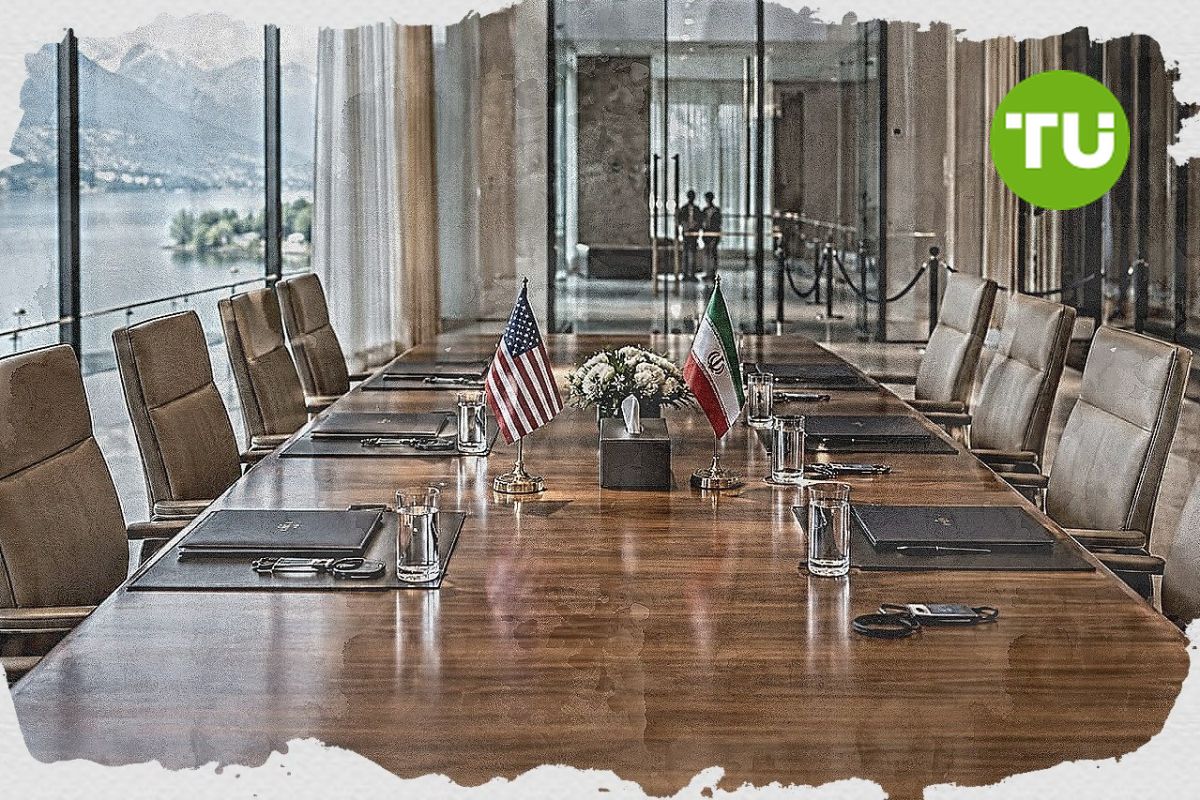
Prediction markets show limited movement in expectations for a U.S.-Iran nuclear deal this year after reports of a ceasefire framework between the two countries. The arrangement still leaves nuclear terms to further negotiation, indicating that a broader agreement remains uncertain despite progress on de-escalation.
Highlights
- Kalshi traders assign a 55% probability to a U.S.-Iran nuclear deal by November, indicating markets see no imminent breakthrough after the ceasefire framework.
- The proposed 60-day memorandum addresses Iran’s uranium enrichment, but officials emphasize further negotiations are needed before any formal agreement is finalized.
- WTI crude futures fall below $89 per barrel from nearly $91, while S&P 500 and Nasdaq Composite reach new intraday records as regional risk eases.
Ceasefire terms keep nuclear talks pending
As first reported by Axios, the ceasefire framework between the U.S. and Iran still requires additional negotiations over nuclear demands, according to two U.S. officials and a regional source cited in the report. The report says President Donald Trump has yet to approve a 60-day memorandum of understanding after the first three months of the war, while officials say any agreement is intended to bring both sides into formal negotiations.Kalshi traders put the probability of a U.S.-Iran nuclear deal by November at about 55% as of Thursday afternoon. Odds of a deal before October stand at 49%, while the chance of an agreement before December is also 55%, suggesting market expectations remain cautious rather than signaling a breakthrough.
The reported 60-day memorandum would also cover the disposal of Iran's highly enriched uranium and how its enrichment activities are addressed. One U.S. official tells Axios that the understanding is designed to get all parties to the table, with the details to be settled in subsequent negotiations.
Oil and equity markets react to Mideast report
If Iran does not meet nuclear demands during the negotiations, U.S. officials say Trump has economic or military options available. Officials also say shipping through the Strait of Hormuz will remain unrestricted, that Iran will remove all mines within 30 days, and that ships will face no tolls or harassment.Market reaction points to some easing in immediate regional risk. West Texas Intermediate crude futures fall below $89 a barrel from nearly $91, and recently trade around $89.34 per barrel on Thursday afternoon, while the S&P 500 and Nasdaq Composite both climb to fresh intraday records after the report.
In our earlier article, we covered oil’s reaction to reports that U.S. and Iranian negotiators had agreed on a 60-day memorandum of understanding to extend the ceasefire and begin talks on Iran’s nuclear program, pending President Donald Trump’s approval. We also noted that prices were moving alongside conflict-driven headlines, including claims of an IRGC attack on a U.S. base and renewed concerns about the Strait of Hormuz and potential supply risks.




Latest USA News







-
 Afghanistan
-
 Albania
-
 Algeria
-
 Angola
-
 Argentina
-
 Armenia
-
 Australia
-
 Austria
-
 Azerbaijan
-
 Bahamas
-
 Bahrain
-
 Bangladesh
-
 Belarus
-
 Belgium
-
 Bolivia
-
 Botswana
-
 Brazil
-
 Brunei
-
 Bulgaria
-
 Cambodia
-
 Cameroon
-
 Canada
-
 Chile
Chile
-
 China
China
-
 Colombia
-
 Congo
Congo
-
 Costa Rica
-
 Cote d'Ivoire
-
 Croatia
-
 Cuba
Cuba
-
 Cyprus
-
 Czechia
-
 DR Congo
-
 Denmark
-
 Dominican Republic
-
 Ecuador
-
 Egypt
Egypt
-
 El Salvador
-
 Estonia
-
 Eswatini
-
 Ethiopia
-
 Finland
-
 France
-
 Georgia
-
 Germany
-
 Ghana
Ghana
-
 Greece
-
 Haiti
Haiti
-
 Hong Kong
-
 Hungary
-
 India
India
-
 Indonesia
-
 Iran, Islamic republic
-
 Iraq
Iraq
-
 Ireland
-
 Israel
-
 Italy
Italy
-
 Jamaica
-
 Japan
Japan
-
 Jordan
-
 Kazakhstan
-
 Kenya
Kenya
-
 Korea
Korea
-
 Kuwait
-
 Kyrgyzstan
-
 Laos
Laos
-
 Latvia
-
 Lebanon
-
 Lesotho
-
 Libya
Libya
-
 Lithuania
-
 Luxembourg
-
 Madagascar
-
 Malaysia
-
 Malta
Malta
-
 Mauritius
-
 Mexico
-
 Moldova
-
 Mongolia
-
 Montenegro
-
 Morocco
-
 Mozambique
-
 Myanmar
-
 Namibia
-
 Nepal
Nepal
-
 Netherlands
-
 New Zealand
-
 Nigeria
-
 North Macedonia
-
 Norway
-
 Oman
Oman
-
 Pakistan
-
 Palestine
-
 Panama
-
 Papua New Guinea
-
 Paraguay
-
 Peru
Peru
-
 Philippines
-
 Poland
-
 Portugal
-
 Puerto Rico
-
 Qatar
Qatar
-
 Reunion
-
 Romania
-
 Rwanda
-
 Saudi Arabia
-
 Serbia
-
 Singapore
-
 Slovakia
-
 Slovenia
-
 Somalia
-
 South Africa
-
 Spain
Spain
-
 Sri Lanka
-
 Sweden
-
 Switzerland
-
 Syria
Syria
-
 Taiwan
-
 Tajikistan
-
 Tanzania
-
 Thailand
-
 Trinidad and Tobago
-
 Tunisia
-
 Turkey
-
 UAE
UAE
-
 Uganda
-
 Ukraine
-
 United Kingdom
-
United States
-
 Uruguay
-
 Uzbekistan
-
 Venezuela
-
 Vietnam
-
 Yemen
Yemen
-
 Zambia
-
 Zimbabwe
- Forex
- Crypto












