
Washington nears 60-day Iran ceasefire extension as Hormuz reopening talks advance

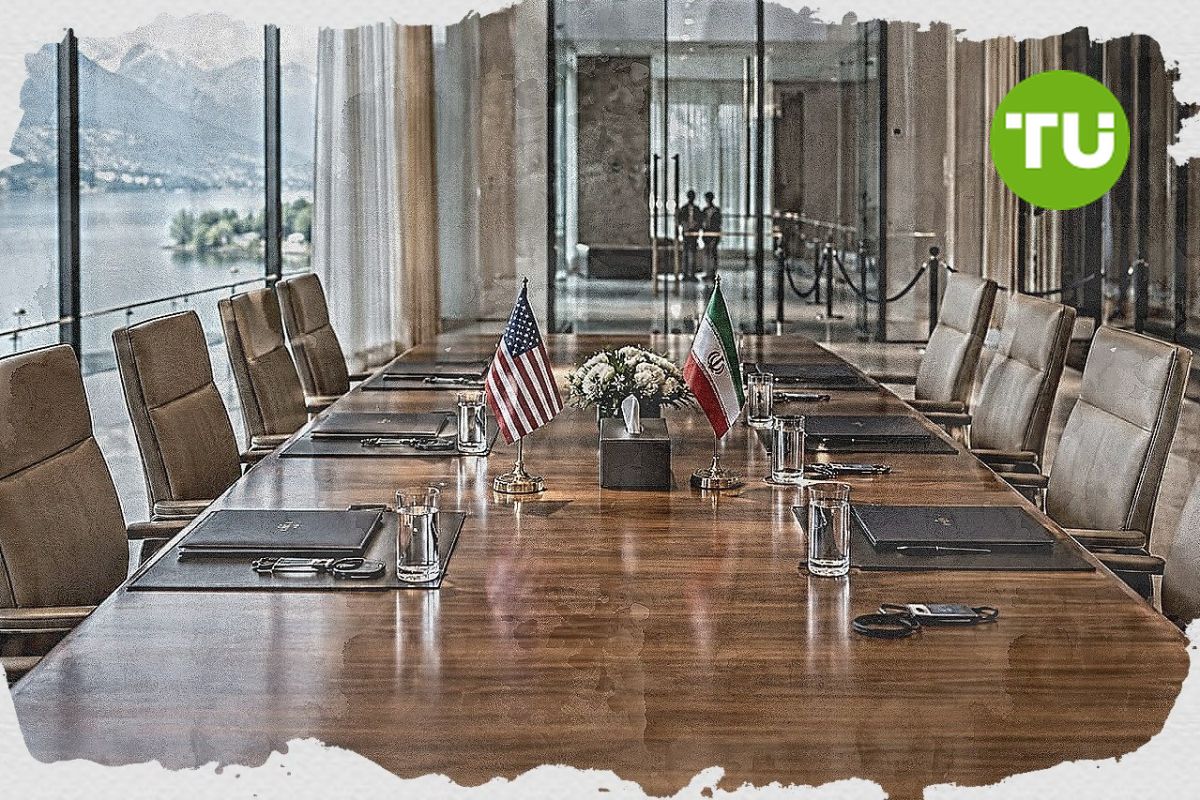
Diplomatic efforts to preserve a fragile ceasefire between the U.S. and Iran are gaining momentum as Washington weighs a 60-day extension tied to reopening the Strait of Hormuz. The proposed arrangement is still awaiting President Donald Trump’s approval and comes after renewed military exchanges and sharp swings in global energy markets.
Highlights
- U.S. negotiators and Iran reach a memorandum of understanding for a 60-day ceasefire extension and phased Hormuz reopening, but Trump has not approved it yet.
- Brent crude falls 0.4% to $93.77 per barrel, near a six-week low, as oil markets react to the easing of Hormuz-related supply disruptions and prospective nuclear talks.
- Trump demands immediate strait reopening, rejects Iranian tolling rights, and links deal approval to Saudi and Qatari normalization with Israel, while warning Oman and others against facilitating tolls.
Ceasefire framework and Hormuz terms
As first reported by Axios, U.S. officials say negotiators have reached a memorandum of understanding to extend the ceasefire by 60 days, although Trump has not yet approved the document and is taking more time to consider it.Under the proposed terms, Iran would gradually reopen the Strait of Hormuz and remove mines from the waterway. People briefed on the talks say Tehran would also refrain from charging ships any fee during the 60-day period.
The framework also includes the start of negotiations over Iran’s nuclear programme, including a commitment to discuss either diluting or handing over its stockpile of highly enriched uranium. In exchange, the U.S. would phase in sanctions relief, unblock some Iranian assets held overseas and ease its naval blockade on Iranian ports, depending on progress toward a final pact.
Iran has not confirmed Washington’s account. Fars news agency, which is close to the Revolutionary Guards, says some issues remain unresolved and warns that Trump could announce an agreement unilaterally.
Energy market reaction and regional risks
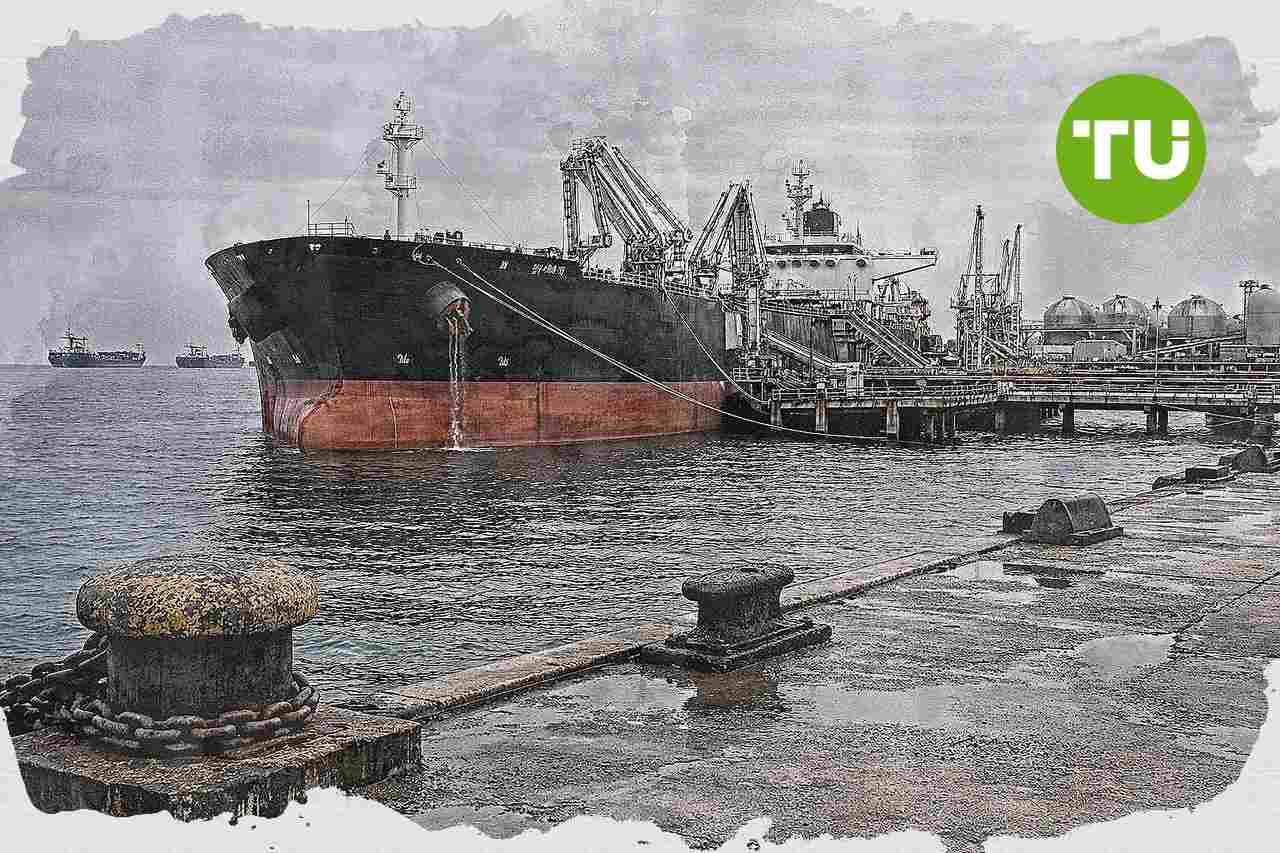
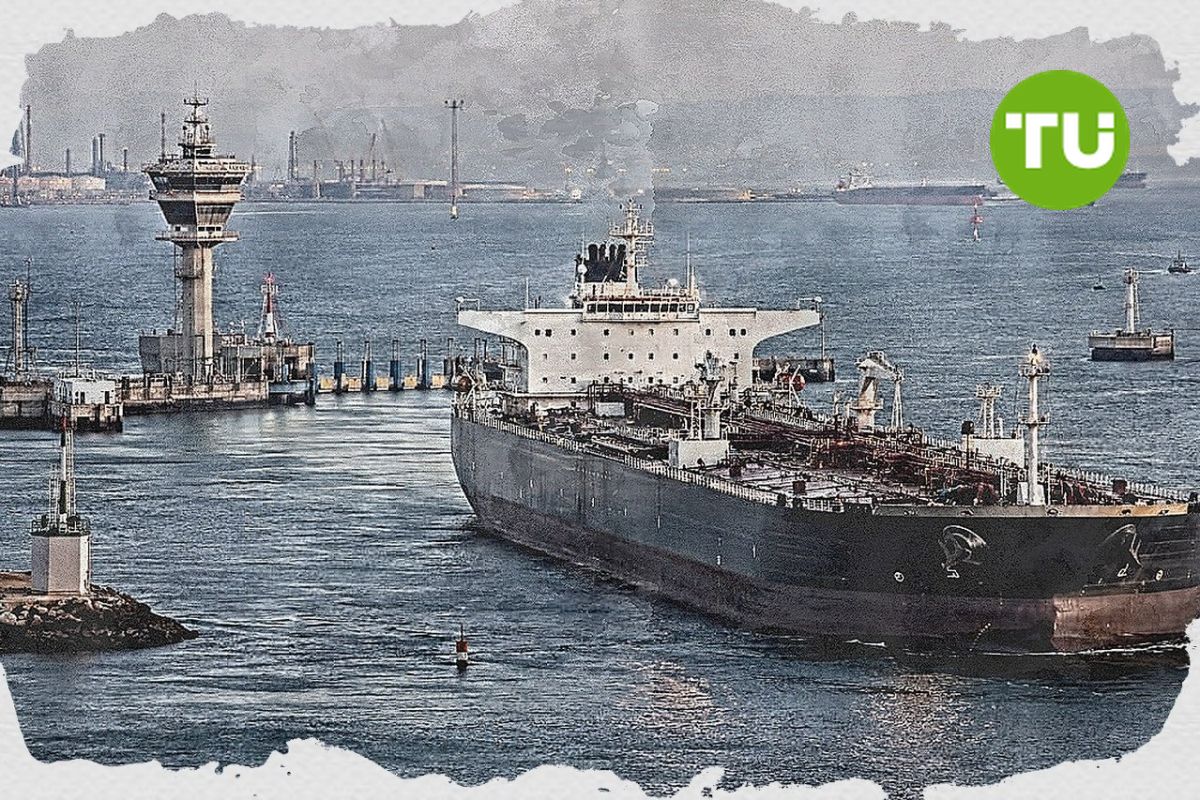
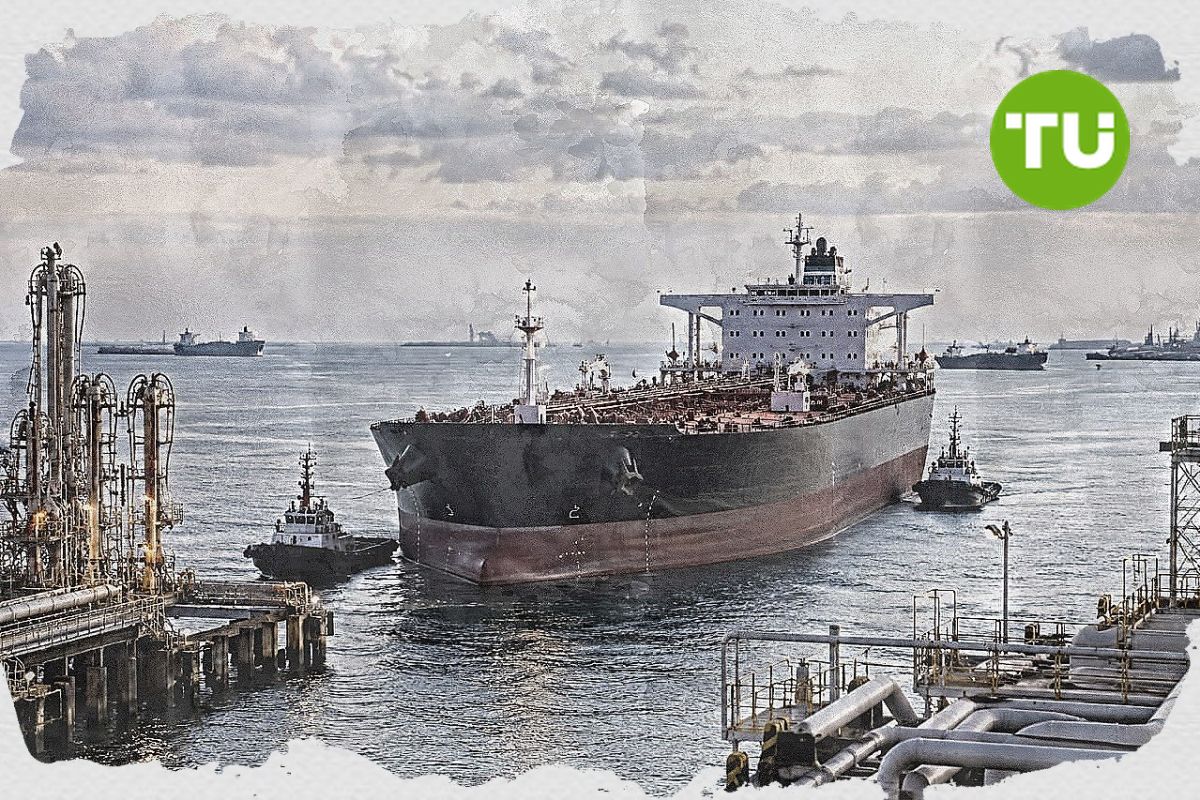
The latest push follows overnight exchanges of fire between U.S. and Iranian forces and comes after two weeks of intensified mediation by Pakistan and Qatar, aimed at building on the April 8 ceasefire and preventing a broader war.Iran’s effective closure of the strait since the U.S. and Israel launched their war on February 28 has disrupted a route that normally carries about a fifth of the world’s oil, helping trigger a severe global energy crisis. Oil prices fall on renewed hopes of a deal, with Brent crude down 0.4% at $93.77 a barrel in afternoon trading in New York, near a six-week low.
Trump continues to send mixed signals on the proposed arrangement. He says any agreement must reopen the strait immediately, rejects the idea of Iran retaining tolling authority and publicly disputes that sanctions relief and access to overseas assets are under consideration.
The administration also raises pressure on regional actors. Treasury Secretary Scott Bessent says on X that the U.S. will not tolerate any tolling system in the Strait of Hormuz and warns Oman in particular that Washington will aggressively target any country involved in facilitating such a mechanism.
Trump says he will sign only a “perfect” deal and indicates he could still withhold approval if Arab mediators including Saudi Arabia and Qatar do not agree to formalise diplomatic ties with Israel.
In our earlier article on prediction markets and the U.S.-Iran ceasefire framework, we reported that traders saw only limited odds movement for a nuclear deal this year despite talk of a 60-day memorandum. We also highlighted that key nuclear issues, including Iran’s highly enriched uranium, were left for further negotiations, while oil and broader markets reacted to easing near-term risk tied to the Strait of Hormuz.









-
 Afghanistan
-
 Albania
-
 Algeria
-
 Angola
-
 Argentina
-
 Armenia
-
 Australia
-
 Austria
-
 Azerbaijan
-
 Bahamas
-
 Bahrain
-
 Bangladesh
-
 Belarus
-
 Belgium
-
 Bolivia
-
 Botswana
-
 Brazil
-
 Brunei
-
 Bulgaria
-
 Cambodia
-
 Cameroon
-
 Canada
-
 Chile
Chile
-
 China
China
-
 Colombia
-
 Congo
Congo
-
 Costa Rica
-
 Cote d'Ivoire
-
 Croatia
-
 Cuba
Cuba
-
 Cyprus
-
 Czechia
-
 DR Congo
-
 Denmark
-
 Dominican Republic
-
 Ecuador
-
 Egypt
Egypt
-
 El Salvador
-
 Estonia
-
 Eswatini
-
 Ethiopia
-
 Finland
-
 France
-
 Georgia
-
 Germany
-
 Ghana
Ghana
-
 Greece
-
 Haiti
Haiti
-
 Hong Kong
-
 Hungary
-
 India
India
-
 Indonesia
-
 Iran, Islamic republic
-
 Iraq
Iraq
-
 Ireland
-
 Israel
-
 Italy
Italy
-
 Jamaica
-
 Japan
Japan
-
 Jordan
-
 Kazakhstan
-
 Kenya
Kenya
-
 Korea
Korea
-
 Kuwait
-
 Kyrgyzstan
-
 Laos
Laos
-
 Latvia
-
 Lebanon
-
 Lesotho
-
 Libya
Libya
-
 Lithuania
-
 Luxembourg
-
 Madagascar
-
 Malaysia
-
 Malta
Malta
-
 Mauritius
-
 Mexico
-
 Moldova
-
 Mongolia
-
 Montenegro
-
 Morocco
-
 Mozambique
-
 Myanmar
-
 Namibia
-
 Nepal
Nepal
-
 Netherlands
-
 New Zealand
-
 Nigeria
-
 North Macedonia
-
 Norway
-
 Oman
Oman
-
 Pakistan
-
 Palestine
-
 Panama
-
 Papua New Guinea
-
 Paraguay
-
 Peru
Peru
-
 Philippines
-
 Poland
-
 Portugal
-
 Puerto Rico
-
 Qatar
Qatar
-
 Reunion
-
 Romania
-
 Rwanda
-
 Saudi Arabia
-
 Serbia
-
 Singapore
-
 Slovakia
-
 Slovenia
-
 Somalia
-
 South Africa
-
 Spain
Spain
-
 Sri Lanka
-
 Sweden
-
 Switzerland
-
 Syria
Syria
-
 Taiwan
-
 Tajikistan
-
 Tanzania
-
 Thailand
-
 Trinidad and Tobago
-
 Tunisia
-
 Turkey
-
 UAE
UAE
-
 Uganda
-
 Ukraine
-
 United Kingdom
-
United States
-
 Uruguay
-
 Uzbekistan
-
 Venezuela
-
 Vietnam
-
 Yemen
Yemen
-
 Zambia
-
 Zimbabwe
- Forex
- Crypto












