
London Stadium revenue faces hit after West Ham drop into Championship
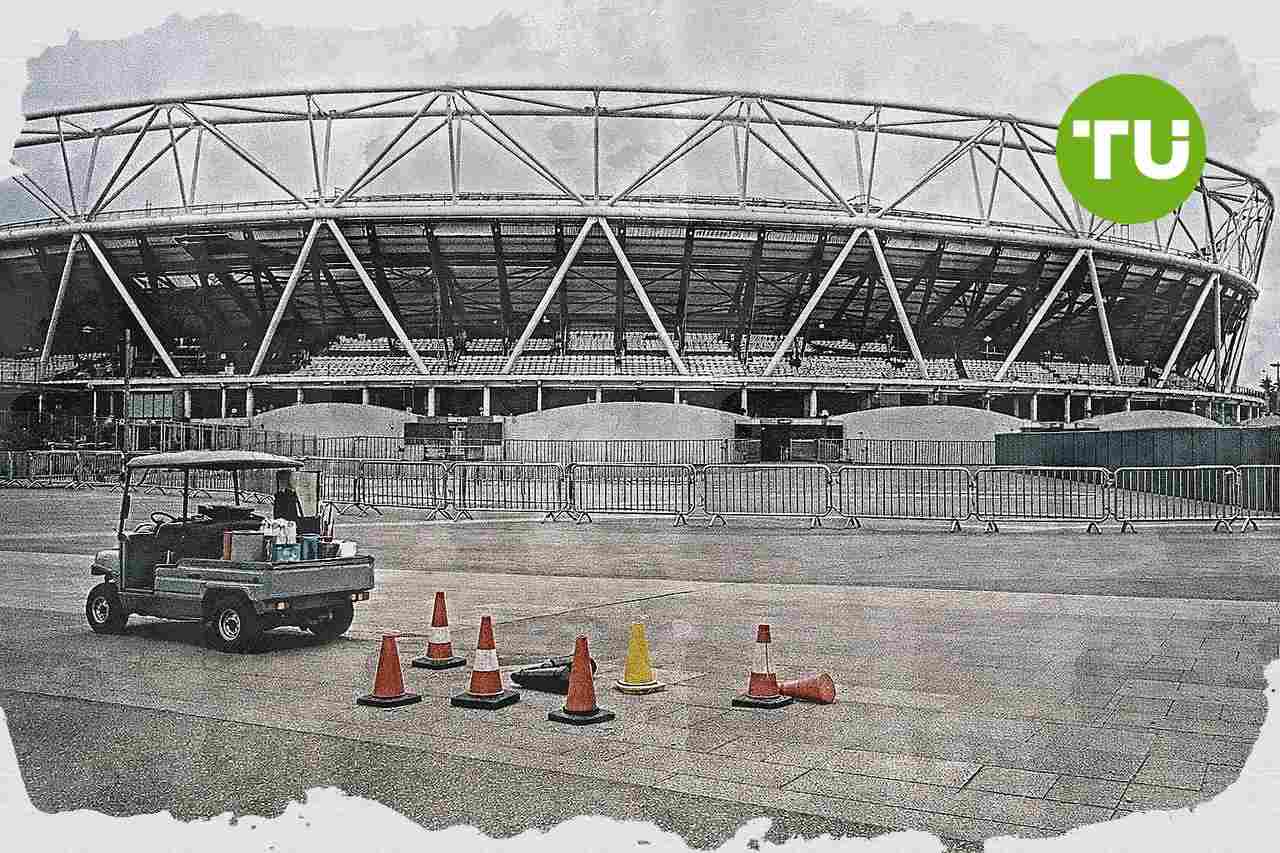
Fresh scrutiny is falling on the London Stadium as West Ham United’s relegation from the Premier League reduces rental income for the publicly owned venue. The setback revives questions over the post-2012 Olympic legacy just as ministers assess whether the UK could stage another Olympic Games in the 2040s.
Highlights
- West Ham's relegation triggers a contract clause reducing their annual rent by £2.5mn to about £2.1mn for London Stadium LLP starting next season.
- London Stadium's finances face increasing strain as the parliamentary inquiry highlights ongoing losses from football tenancy and limited ability to host alternative events.
- The debate over the Olympic legacy intensifies as government considers the north of England for a 2040s Games, pending cost, regeneration impact, and strategic feasibility.
Rent clause sharpens taxpayer exposure
As reported by Financial Times, West Ham is due to pay about £2.5mn less a year in rent under a relegation clause in its stadium contract when it begins next season in the Championship. The lower payment reduces income for London Stadium LLP, the publicly owned company overseen by London mayor Sir Sadiq Khan.In the year to March 31 2025, West Ham paid £4.6mn in rent for the venue. Khan has said the clause leaves taxpayers exposed to the club’s sporting performance, and that the financial impact worsens the longer the team remains outside the top flight.
West Ham moved into the former Olympic Stadium in 2016 under a 99-year lease after contributing £15mn to the conversion cost. The venue cost more than £800mn to build and adapt into a football ground, while the club’s match receipts revenue reached £39.3mn and total revenue came to £227.6mn in 2024-25.
Olympic legacy debate returns
Questions over the stadium’s finances are resurfacing as the government examines how sport can support regeneration and whether the north of England could host the Olympics for the first time in the 2040s. Ministers say any future bid would depend on potential cost, socio-economic benefit and the likelihood of success.Evidence published by a parliamentary inquiry in November said the venue’s biggest challenge stems from West Ham’s rental agreement, because football is presented at a substantial financial loss and limits the range of other events that can be staged. The stadium has also faced criticism from athletes over limited athletics use and from supporters unhappy with the distance between seats and the pitch.
At the same time, the venue argues it has avoided becoming a white elephant by hosting football, baseball, rugby and major concerts over the past decade. Mirte Boot, interim head of IPPR North, says a northern Olympics could be transformative, but adds that any permanent stadium plan would require a thorough cost-benefit analysis and a clear long-term growth strategy.
Our previous article on McLean, Connecticut’s ‘BB’ long-term rating with a Negative outlook highlighted how revenue volatility and spending control can strain public finances when economic conditions shift. We noted that the outlook reflects ongoing downside risk if budget performance fails to stabilize, underscoring the need for disciplined financial management to protect taxpayers from shocks.





Latest Lynex News










-
 Afghanistan
-
 Albania
-
 Algeria
-
 Angola
-
 Argentina
-
 Armenia
-
 Australia
-
 Austria
-
 Azerbaijan
-
 Bahamas
-
 Bahrain
-
 Bangladesh
-
 Belarus
-
 Belgium
-
 Bolivia
-
 Botswana
-
 Brazil
-
 Brunei
-
 Bulgaria
-
 Cambodia
-
 Cameroon
-
 Canada
-
 Chile
Chile
-
 China
China
-
 Colombia
-
 Congo
Congo
-
 Costa Rica
-
 Cote d'Ivoire
-
 Croatia
-
 Cuba
Cuba
-
 Cyprus
-
 Czechia
-
 DR Congo
-
 Denmark
-
 Dominican Republic
-
 Ecuador
-
 Egypt
Egypt
-
 El Salvador
-
 Estonia
-
 Eswatini
-
 Ethiopia
-
 Finland
-
 France
-
 Georgia
-
 Germany
-
 Ghana
Ghana
-
 Greece
-
 Haiti
Haiti
-
 Hong Kong
-
 Hungary
-
 India
India
-
 Indonesia
-
 Iran, Islamic republic
-
 Iraq
Iraq
-
 Ireland
-
 Israel
-
 Italy
Italy
-
 Jamaica
-
 Japan
Japan
-
 Jordan
-
 Kazakhstan
-
 Kenya
Kenya
-
 Korea
Korea
-
 Kuwait
-
 Kyrgyzstan
-
 Laos
Laos
-
 Latvia
-
 Lebanon
-
 Lesotho
-
 Libya
Libya
-
 Lithuania
-
 Luxembourg
-
 Madagascar
-
 Malaysia
-
 Malta
Malta
-
 Mauritius
-
 Mexico
-
 Moldova
-
 Mongolia
-
 Montenegro
-
 Morocco
-
 Mozambique
-
 Myanmar
-
 Namibia
-
 Nepal
Nepal
-
 Netherlands
-
 New Zealand
-
 Nigeria
-
 North Macedonia
-
 Norway
-
 Oman
Oman
-
 Pakistan
-
 Palestine
-
 Panama
-
 Papua New Guinea
-
 Paraguay
-
 Peru
Peru
-
 Philippines
-
 Poland
-
 Portugal
-
 Puerto Rico
-
 Qatar
Qatar
-
 Reunion
-
 Romania
-
 Rwanda
-
 Saudi Arabia
-
 Serbia
-
 Singapore
-
 Slovakia
-
 Slovenia
-
 Somalia
-
 South Africa
-
 Spain
Spain
-
 Sri Lanka
-
 Sweden
-
 Switzerland
-
 Syria
Syria
-
 Taiwan
-
 Tajikistan
-
 Tanzania
-
 Thailand
-
 Trinidad and Tobago
-
 Tunisia
-
 Turkey
-
 UAE
UAE
-
 Uganda
-
 Ukraine
-
 United Kingdom
-
United States
-
 Uruguay
-
 Uzbekistan
-
 Venezuela
-
 Vietnam
-
 Yemen
Yemen
-
 Zambia
-
 Zimbabwe
- Forex
- Crypto












