
Netherlands backs NATO defense spending push amid higher burden-sharing demands
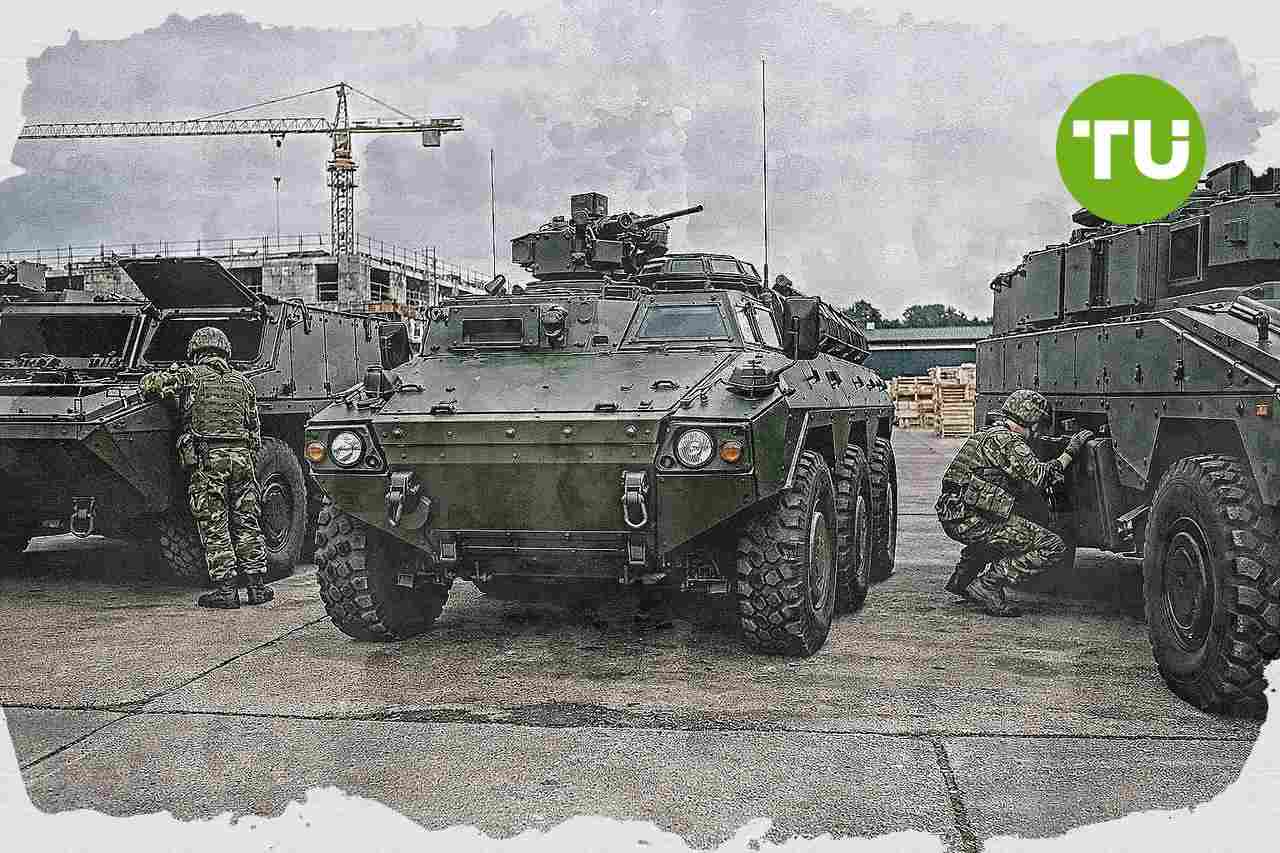
Support in the Netherlands for higher military outlays has strengthened since Russia invaded Ukraine, reshaping domestic views on defense policy. Dutch Deputy Prime Minister Dilan Yesilgoz-Zegerius says the shift now underpins backing for NATO allies to meet their spending commitments.
Highlights
- Netherlands supports the U.S. call for NATO allies to increase defense spending to the 5% of GDP target agreed at the Hague summit.
- Recent Dutch public support for higher defense spending has surged following Russia's invasion of Ukraine, reversing attitudes from five years ago.
- Yesilgoz emphasizes urgent NATO burden-sharing, with the Netherlands committing to higher defense outlays and urging other members to do likewise.
Dutch stance on NATO spending target
As reported by CNBC, Yesilgoz says the U.S. is justified in pressing allies to raise defense spending, arguing that NATO members need to invest enough to meet the 5% target agreed at the Hague summit. Speaking on the sidelines of the IISS Shangri-La Dialogue, she says the Netherlands had previously relied heavily on allies before the war in Ukraine changed the security environment.She says every NATO ally has to ensure it invests sufficiently and adds that the Netherlands is doing so, while urging other countries to follow. NATO countries committed in June 2025 to spend 5% of gross domestic product on defense, split between 3.5% for direct defense spending and 1.5% for related spending.
Security pressures and Dutch public support
Yesilgoz says such a sharp rise in defense spending would not have been supported by the Dutch public five years ago, but that this is no longer the case after Russia's invasion of Ukraine. She says there is now strong support for additional defense spending in the Netherlands as security risks become more immediate.She also says burden-sharing within NATO is very important because collective defense is a shared responsibility. While acknowledging that Amsterdam still needs to improve its own ability to defend itself, she says the country must step up its efforts.
Our earlier coverage of a U.S. Treasury speech outlined a policy shift that treats economic security as national security, warning that decades of offshoring and fragile supply chains have weakened U.S. sovereignty and defense readiness. The piece highlighted efforts to reduce dependence on foreign suppliers for critical goods such as semiconductors, pharmaceuticals and strategic minerals, using trade tools and industrial measures to rebuild domestic capacity. It also noted that the war in Ukraine has reinforced the case for prioritizing resilience and preparedness over pure cost efficiency.





Latest Government News








-
 Afghanistan
-
 Albania
-
 Algeria
-
 Angola
-
 Argentina
-
 Armenia
-
 Australia
-
 Austria
-
 Azerbaijan
-
 Bahamas
-
 Bahrain
-
 Bangladesh
-
 Belarus
-
 Belgium
-
 Bolivia
-
 Botswana
-
 Brazil
-
 Brunei
-
 Bulgaria
-
 Cambodia
-
 Cameroon
-
 Canada
-
 Chile
Chile
-
 China
China
-
 Colombia
-
 Congo
Congo
-
 Costa Rica
-
 Cote d'Ivoire
-
 Croatia
-
 Cuba
Cuba
-
 Cyprus
-
 Czechia
-
 DR Congo
-
 Denmark
-
 Dominican Republic
-
 Ecuador
-
 Egypt
Egypt
-
 El Salvador
-
 Estonia
-
 Eswatini
-
 Ethiopia
-
 Finland
-
 France
-
 Georgia
-
 Germany
-
 Ghana
Ghana
-
 Greece
-
 Haiti
Haiti
-
 Hong Kong
-
 Hungary
-
 India
India
-
 Indonesia
-
 Iran, Islamic republic
-
 Iraq
Iraq
-
 Ireland
-
 Israel
-
 Italy
Italy
-
 Jamaica
-
 Japan
Japan
-
 Jordan
-
 Kazakhstan
-
 Kenya
Kenya
-
 Korea
Korea
-
 Kuwait
-
 Kyrgyzstan
-
 Laos
Laos
-
 Latvia
-
 Lebanon
-
 Lesotho
-
 Libya
Libya
-
 Lithuania
-
 Luxembourg
-
 Madagascar
-
 Malaysia
-
 Malta
Malta
-
 Mauritius
-
 Mexico
-
 Moldova
-
 Mongolia
-
 Montenegro
-
 Morocco
-
 Mozambique
-
 Myanmar
-
 Namibia
-
 Nepal
Nepal
-
 Netherlands
-
 New Zealand
-
 Nigeria
-
 North Macedonia
-
 Norway
-
 Oman
Oman
-
 Pakistan
-
 Palestine
-
 Panama
-
 Papua New Guinea
-
 Paraguay
-
 Peru
Peru
-
 Philippines
-
 Poland
-
 Portugal
-
 Puerto Rico
-
 Qatar
Qatar
-
 Reunion
-
 Romania
-
 Rwanda
-
 Saudi Arabia
-
 Serbia
-
 Singapore
-
 Slovakia
-
 Slovenia
-
 Somalia
-
 South Africa
-
 Spain
Spain
-
 Sri Lanka
-
 Sweden
-
 Switzerland
-
 Syria
Syria
-
 Taiwan
-
 Tajikistan
-
 Tanzania
-
 Thailand
-
 Trinidad and Tobago
-
 Tunisia
-
 Turkey
-
 UAE
UAE
-
 Uganda
-
 Ukraine
-
 United Kingdom
-
United States
-
 Uruguay
-
 Uzbekistan
-
 Venezuela
-
 Vietnam
-
 Yemen
Yemen
-
 Zambia
-
 Zimbabwe
- Forex
- Crypto












