
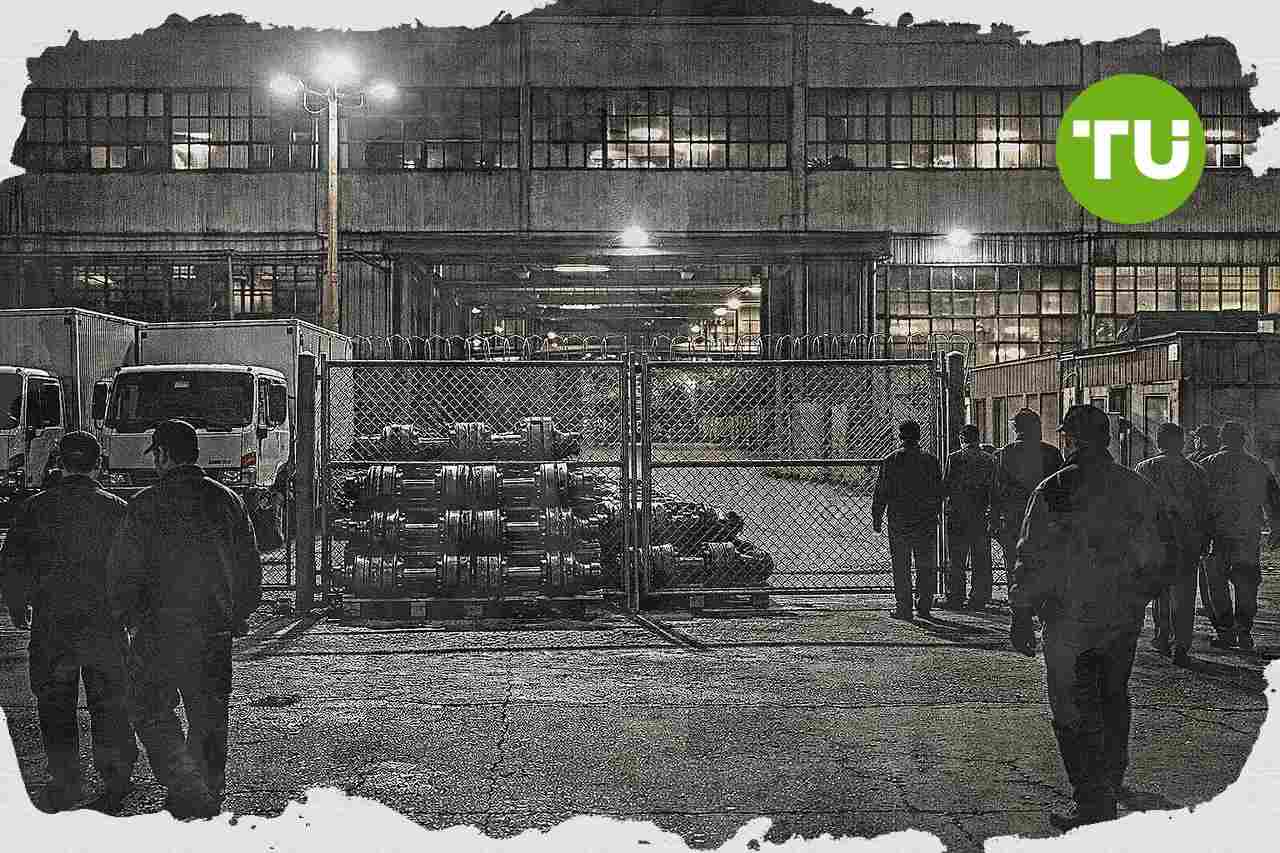
A labor dispute at a key Michigan auto parts plant is escalating as the United Auto Workers moves to halt production tied to General Motors pickup trucks. The planned midnight walkout targets Dauch's Three Rivers factory, where the union says about 1,000 workers make axles for some of GM's most profitable vehicles.
Highlights
- UAW announced workers at Dauch's Three Rivers, Michigan, plant will strike at midnight over stalled wage negotiations, risking GM pickup truck axle supply.
- Top wages at the Dauch plant are $22 an hour after five years, down from $29 in 2008, with 98% of workers authorizing a strike earlier in May.
- The strike threatens a key supply of axles for General Motors pickups, potentially disrupting production of one of GM's most profitable vehicle lines.
Strike plan and wage dispute at Three Rivers plant
As reported by Reuters, the Detroit union says workers at Dauch's plant in Three Rivers, Michigan, are set to walk off the job at midnight. The factory produces axles for General Motors pickup trucks, putting part of the automaker's supply chain under pressure if the stoppage goes ahead.Dauch, formerly named American Axle, is a major supplier of driveline parts. The UAW says the strike push centers on demands for wage increases after workers accepted sacrifices to keep the plant open in 2008.
According to the union, top wages at the plant reach $22 an hour after a five-year progression period, down from as much as $29 an hour in 2008. Earlier in May, workers voted 98% in favor of authorizing a strike if needed.
Potential impact on GM's truck operations
GM says it is closely monitoring the situation and assessing any potential impact. Because the plant supplies parts for pickup trucks, any sustained disruption could affect production of one of the company's most profitable vehicle lines.UAW President Shawn Fain frames the dispute as a long-running pay and benefits issue, saying workers have endured wage and benefit cuts while supporting the plant's operations for 18 years. Dauch is not immediately reachable for comment late on Sunday.
In our earlier article on Oklahoma’s minimum-wage ballot measure (State Question 832), we outlined a proposed step-by-step increase from $7.25 to $15 an hour by 2029, followed by annual cost-of-living adjustments. We also noted the debate over how higher mandated pay could affect worker incomes, business costs, jobs, and inflation, making it a useful backdrop to the latest wage-focused labor actions in the U.S.





Latest Volkswagen News








-
 Afghanistan
-
 Albania
-
 Algeria
-
 Angola
-
 Argentina
-
 Armenia
-
 Australia
-
 Austria
-
 Azerbaijan
-
 Bahamas
-
 Bahrain
-
 Bangladesh
-
 Belarus
-
 Belgium
-
 Bolivia
-
 Botswana
-
 Brazil
-
 Brunei
-
 Bulgaria
-
 Cambodia
-
 Cameroon
-
 Canada
-
 Chile
Chile
-
 China
China
-
 Colombia
-
 Congo
Congo
-
 Costa Rica
-
 Cote d'Ivoire
-
 Croatia
-
 Cuba
Cuba
-
 Cyprus
-
 Czechia
-
 DR Congo
-
 Denmark
-
 Dominican Republic
-
 Ecuador
-
 Egypt
Egypt
-
 El Salvador
-
 Estonia
-
 Eswatini
-
 Ethiopia
-
 Finland
-
 France
-
 Georgia
-
 Germany
-
 Ghana
Ghana
-
 Greece
-
 Haiti
Haiti
-
 Hong Kong
-
 Hungary
-
 India
India
-
 Indonesia
-
 Iran, Islamic republic
-
 Iraq
Iraq
-
 Ireland
-
 Israel
-
 Italy
Italy
-
 Jamaica
-
 Japan
Japan
-
 Jordan
-
 Kazakhstan
-
 Kenya
Kenya
-
 Korea
Korea
-
 Kuwait
-
 Kyrgyzstan
-
 Laos
Laos
-
 Latvia
-
 Lebanon
-
 Lesotho
-
 Libya
Libya
-
 Lithuania
-
 Luxembourg
-
 Madagascar
-
 Malaysia
-
 Malta
Malta
-
 Mauritius
-
 Mexico
-
 Moldova
-
 Mongolia
-
 Montenegro
-
 Morocco
-
 Mozambique
-
 Myanmar
-
 Namibia
-
 Nepal
Nepal
-
 Netherlands
-
 New Zealand
-
 Nigeria
-
 North Macedonia
-
 Norway
-
 Oman
Oman
-
 Pakistan
-
 Palestine
-
 Panama
-
 Papua New Guinea
-
 Paraguay
-
 Peru
Peru
-
 Philippines
-
 Poland
-
 Portugal
-
 Puerto Rico
-
 Qatar
Qatar
-
 Reunion
-
 Romania
-
 Rwanda
-
 Saudi Arabia
-
 Serbia
-
 Singapore
-
 Slovakia
-
 Slovenia
-
 Somalia
-
 South Africa
-
 Spain
Spain
-
 Sri Lanka
-
 Sweden
-
 Switzerland
-
 Syria
Syria
-
 Taiwan
-
 Tajikistan
-
 Tanzania
-
 Thailand
-
 Trinidad and Tobago
-
 Tunisia
-
 Turkey
-
 UAE
UAE
-
 Uganda
-
 Ukraine
-
 United Kingdom
-
United States
-
 Uruguay
-
 Uzbekistan
-
 Venezuela
-
 Vietnam
-
 Yemen
Yemen
-
 Zambia
-
 Zimbabwe
- Forex
- Crypto











