
U.S. Department of Energy sets policy agenda for energy dominance and infrastructure investment
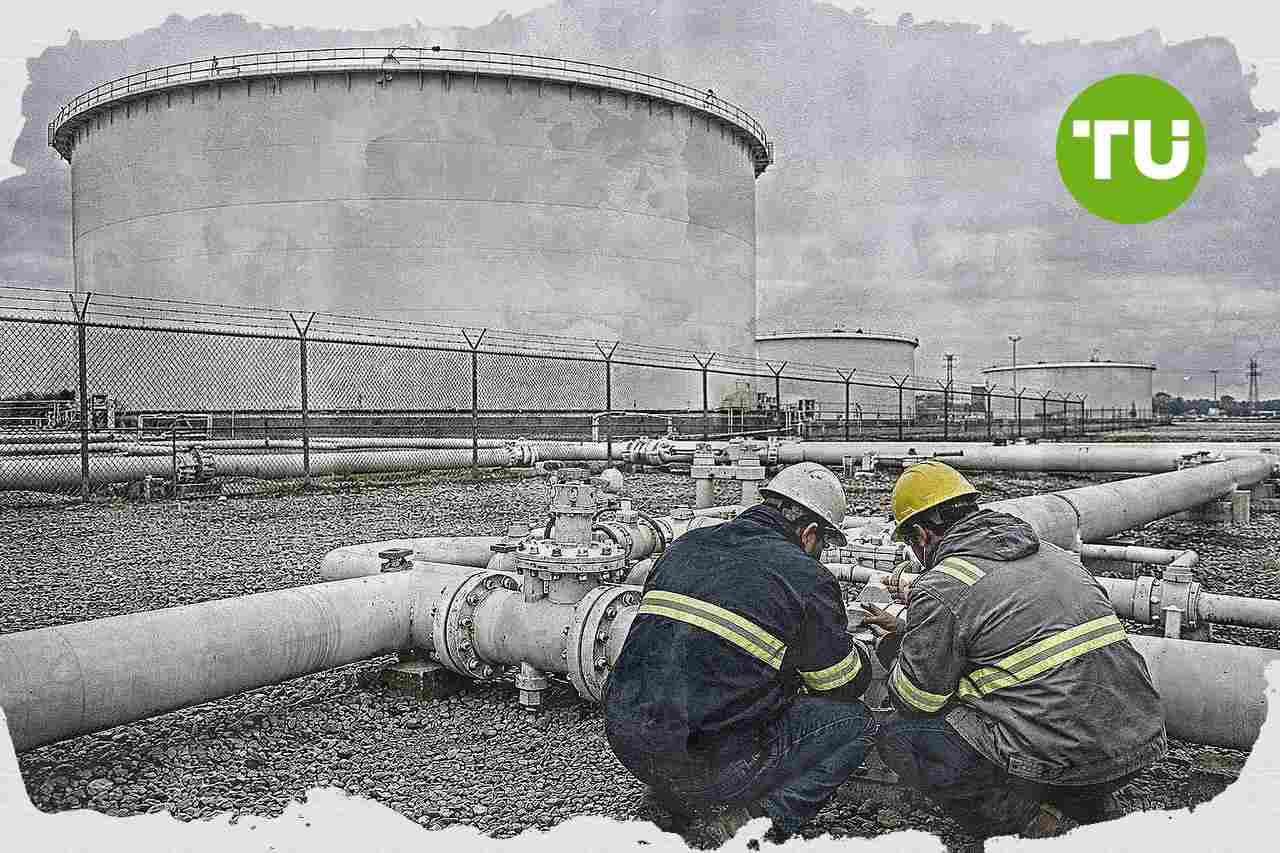
The U.S. Department of Energy outlines a policy agenda centered on expanding domestic energy supply, strengthening energy security and supporting long-term technology development. The approach combines emergency reserve management, nuclear commercialization and grid upgrades with a stated focus on affordability, consumer choice and faster permitting.
Highlights
- Department of Energy prioritizes research, development, and investment in future energy systems to strengthen U.S. energy dominance and affordability.
- Agency asserts Strategic Petroleum Reserve must be refilled, positioning reserve management as essential to long-term national energy security and crisis protection.
- Policy agenda advances commercialization of nuclear energy, modernizes nuclear stockpile, and streamlines permitting to attract private-sector infrastructure investment and bolster grid reliability.
Energy policy priorities and investment direction
As outlined by the Department of Energy, the agency says its goal is to unlock abundant American energy to power modern life and support a durable position of U.S. energy dominance. The policy framework emphasizes research and development for future energy systems and technologies, alongside steps to improve the affordability, reliability and security of the nation’s energy supply.The department also highlights a market-oriented approach that avoids regulating valued consumer products out of the market. Instead, it says affordability and consumer choice remain central principles in shaping energy policy and related investment decisions.
Security, nuclear expansion and grid modernization
The agency identifies emergency fuel reserves as a core part of national energy security, with the Strategic Petroleum Reserve described as a national asset that protects the country in times of crisis. It says the SPR must be refilled, linking reserve management directly to broader security and resilience objectives.The policy agenda also gives weight to modernizing America’s nuclear stockpile and advancing the commercialization of affordable, abundant nuclear energy. In parallel, the department says fortifying the electric grid is critical for reliable and secure power delivery, while more efficient permitting is intended to support private-sector investment in the infrastructure needed to make energy more affordable, dependable and secure.
Our earlier coverage of Consolidated Edison’s “A” rating on its senior unsecured debentures discussed how utilities are balancing large, ongoing capital needs for grid upgrades and cleaner-energy investment. We noted that the stable outlook reflected expectations that the company can maintain its credit profile despite higher costs and continued regulatory scrutiny, while execution on investment plans and future regulatory shifts remain key watch points.





Latest National Grid News






-
 Afghanistan
-
 Albania
-
 Algeria
-
 Angola
-
 Argentina
-
 Armenia
-
 Australia
-
 Austria
-
 Azerbaijan
-
 Bahamas
-
 Bahrain
-
 Bangladesh
-
 Belarus
-
 Belgium
-
 Bolivia
-
 Botswana
-
 Brazil
-
 Brunei
-
 Bulgaria
-
 Cambodia
-
 Cameroon
-
 Canada
-
 Chile
Chile
-
 China
China
-
 Colombia
-
 Congo
Congo
-
 Costa Rica
-
 Cote d'Ivoire
-
 Croatia
-
 Cuba
Cuba
-
 Cyprus
-
 Czechia
-
 DR Congo
-
 Denmark
-
 Dominican Republic
-
 Ecuador
-
 Egypt
Egypt
-
 El Salvador
-
 Estonia
-
 Eswatini
-
 Ethiopia
-
 Finland
-
 France
-
 Georgia
-
 Germany
-
 Ghana
Ghana
-
 Greece
-
 Haiti
Haiti
-
 Hong Kong
-
 Hungary
-
 India
India
-
 Indonesia
-
 Iran, Islamic republic
-
 Iraq
Iraq
-
 Ireland
-
 Israel
-
 Italy
Italy
-
 Jamaica
-
 Japan
Japan
-
 Jordan
-
 Kazakhstan
-
 Kenya
Kenya
-
 Korea
Korea
-
 Kuwait
-
 Kyrgyzstan
-
 Laos
Laos
-
 Latvia
-
 Lebanon
-
 Lesotho
-
 Libya
Libya
-
 Lithuania
-
 Luxembourg
-
 Madagascar
-
 Malaysia
-
 Malta
Malta
-
 Mauritius
-
 Mexico
-
 Moldova
-
 Mongolia
-
 Montenegro
-
 Morocco
-
 Mozambique
-
 Myanmar
-
 Namibia
-
 Nepal
Nepal
-
 Netherlands
-
 New Zealand
-
 Nigeria
-
 North Macedonia
-
 Norway
-
 Oman
Oman
-
 Pakistan
-
 Palestine
-
 Panama
-
 Papua New Guinea
-
 Paraguay
-
 Peru
Peru
-
 Philippines
-
 Poland
-
 Portugal
-
 Puerto Rico
-
 Qatar
Qatar
-
 Reunion
-
 Romania
-
 Rwanda
-
 Saudi Arabia
-
 Serbia
-
 Singapore
-
 Slovakia
-
 Slovenia
-
 Somalia
-
 South Africa
-
 Spain
Spain
-
 Sri Lanka
-
 Sweden
-
 Switzerland
-
 Syria
Syria
-
 Taiwan
-
 Tajikistan
-
 Tanzania
-
 Thailand
-
 Trinidad and Tobago
-
 Tunisia
-
 Turkey
-
 UAE
UAE
-
 Uganda
-
 Ukraine
-
 United Kingdom
-
United States
-
 Uruguay
-
 Uzbekistan
-
 Venezuela
-
 Vietnam
-
 Yemen
Yemen
-
 Zambia
-
 Zimbabwe
- Forex
- Crypto











