
Consolidated Edison debentures win A rating as Fitch affirms stable credit outlook
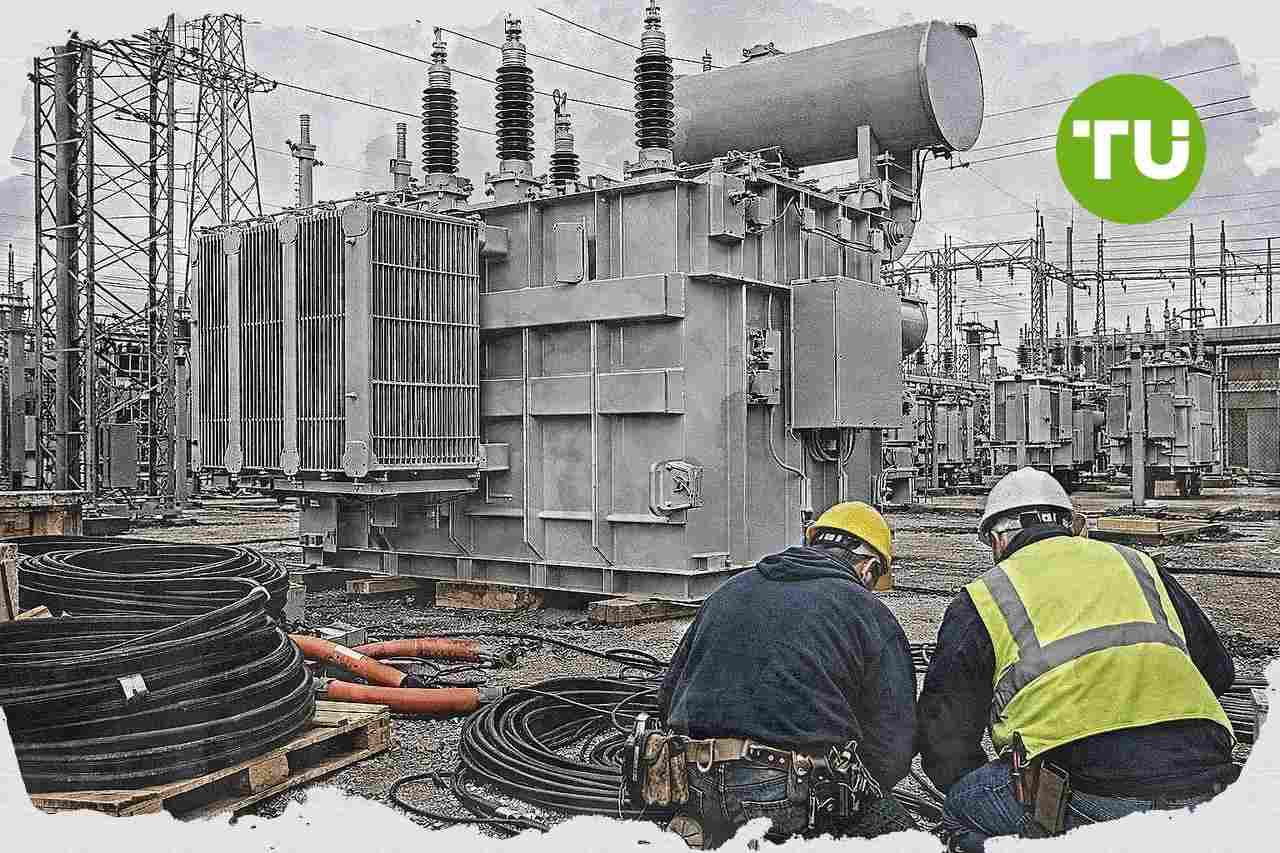
Consolidated Edison Company of New York secures an 'A' rating on its senior unsecured debentures as utilities navigate investment demands tied to grid upgrades and cleaner energy. The stable outlook indicates Fitch expects the company to preserve its credit profile over the medium term despite higher costs and regulatory scrutiny.
Highlights
- Fitch Ratings affirms an 'A' rating on Consolidated Edison Company of New York, Inc.'s senior unsecured debentures, citing a strong regulatory framework and solid credit metrics.
- Stable credit outlook reflects expectations of continued operational strength and infrastructure investment with no immediate risk of credit deterioration under current conditions.
- Fitch highlights that future financial disclosures, regulatory changes, or execution on investment plans could alter Consolidated Edison's medium-term credit risk perception.
Rating drivers and financing context
As reported by Fitch Ratings, the senior unsecured debentures of Consolidated Edison Company of New York, Inc. receive an 'A' rating, supported by a strong regulatory framework, solid credit metrics and robust operating performance. The agency says those factors continue to underpin the utility's standing during an ongoing transition across the energy sector.Fitch also points to the company's scale and its historical ability to adapt to changing market conditions. The assessment indicates Consolidated Edison remains positioned to support future growth through continued investment in infrastructure improvements and cleaner energy initiatives.
Implications for investors and the utility sector
The stable outlook suggests no near-term deterioration in the company's credit quality is expected if current operating and financial conditions hold. For investors, the rating reinforces the view that Consolidated Edison retains relatively strong access to debt markets while managing sector-wide capital needs.Fitch notes that upcoming financial disclosures and regulatory developments remain important for the company's credit standing. Any shift in cost pressures, oversight or execution of investment plans could influence how the market views the utility's medium-term risk profile.
Our earlier coverage of Fitch’s rating on PG&E’s first mortgage bond issuance highlighted how California’s wildfire liability framework remains a central driver of the utility’s credit profile. We noted Fitch’s focus on legislative action around catastrophe risk (including SB 254), alongside affordability pressures and rate-base treatment, as key factors influencing leverage, cost of capital, and the stability of PG&E’s financing outlook.





Latest National Grid News







-
 Afghanistan
-
 Albania
-
 Algeria
-
 Angola
-
 Argentina
-
 Armenia
-
 Australia
-
 Austria
-
 Azerbaijan
-
 Bahamas
-
 Bahrain
-
 Bangladesh
-
 Belarus
-
 Belgium
-
 Bolivia
-
 Botswana
-
 Brazil
-
 Brunei
-
 Bulgaria
-
 Cambodia
-
 Cameroon
-
 Canada
-
 Chile
Chile
-
 China
China
-
 Colombia
-
 Congo
Congo
-
 Costa Rica
-
 Cote d'Ivoire
-
 Croatia
-
 Cuba
Cuba
-
 Cyprus
-
 Czechia
-
 DR Congo
-
 Denmark
-
 Dominican Republic
-
 Ecuador
-
 Egypt
Egypt
-
 El Salvador
-
 Estonia
-
 Eswatini
-
 Ethiopia
-
 Finland
-
 France
-
 Georgia
-
 Germany
-
 Ghana
Ghana
-
 Greece
-
 Haiti
Haiti
-
 Hong Kong
-
 Hungary
-
 India
India
-
 Indonesia
-
 Iran, Islamic republic
-
 Iraq
Iraq
-
 Ireland
-
 Israel
-
 Italy
Italy
-
 Jamaica
-
 Japan
Japan
-
 Jordan
-
 Kazakhstan
-
 Kenya
Kenya
-
 Korea
Korea
-
 Kuwait
-
 Kyrgyzstan
-
 Laos
Laos
-
 Latvia
-
 Lebanon
-
 Lesotho
-
 Libya
Libya
-
 Lithuania
-
 Luxembourg
-
 Madagascar
-
 Malaysia
-
 Malta
Malta
-
 Mauritius
-
 Mexico
-
 Moldova
-
 Mongolia
-
 Montenegro
-
 Morocco
-
 Mozambique
-
 Myanmar
-
 Namibia
-
 Nepal
Nepal
-
 Netherlands
-
 New Zealand
-
 Nigeria
-
 North Macedonia
-
 Norway
-
 Oman
Oman
-
 Pakistan
-
 Palestine
-
 Panama
-
 Papua New Guinea
-
 Paraguay
-
 Peru
Peru
-
 Philippines
-
 Poland
-
 Portugal
-
 Puerto Rico
-
 Qatar
Qatar
-
 Reunion
-
 Romania
-
 Rwanda
-
 Saudi Arabia
-
 Serbia
-
 Singapore
-
 Slovakia
-
 Slovenia
-
 Somalia
-
 South Africa
-
 Spain
Spain
-
 Sri Lanka
-
 Sweden
-
 Switzerland
-
 Syria
Syria
-
 Taiwan
-
 Tajikistan
-
 Tanzania
-
 Thailand
-
 Trinidad and Tobago
-
 Tunisia
-
 Turkey
-
 UAE
UAE
-
 Uganda
-
 Ukraine
-
 United Kingdom
-
United States
-
 Uruguay
-
 Uzbekistan
-
 Venezuela
-
 Vietnam
-
 Yemen
Yemen
-
 Zambia
-
 Zimbabwe
- Forex
- Crypto











