
Sterling holds near recent range as Middle East conflict clouds BoE outlook
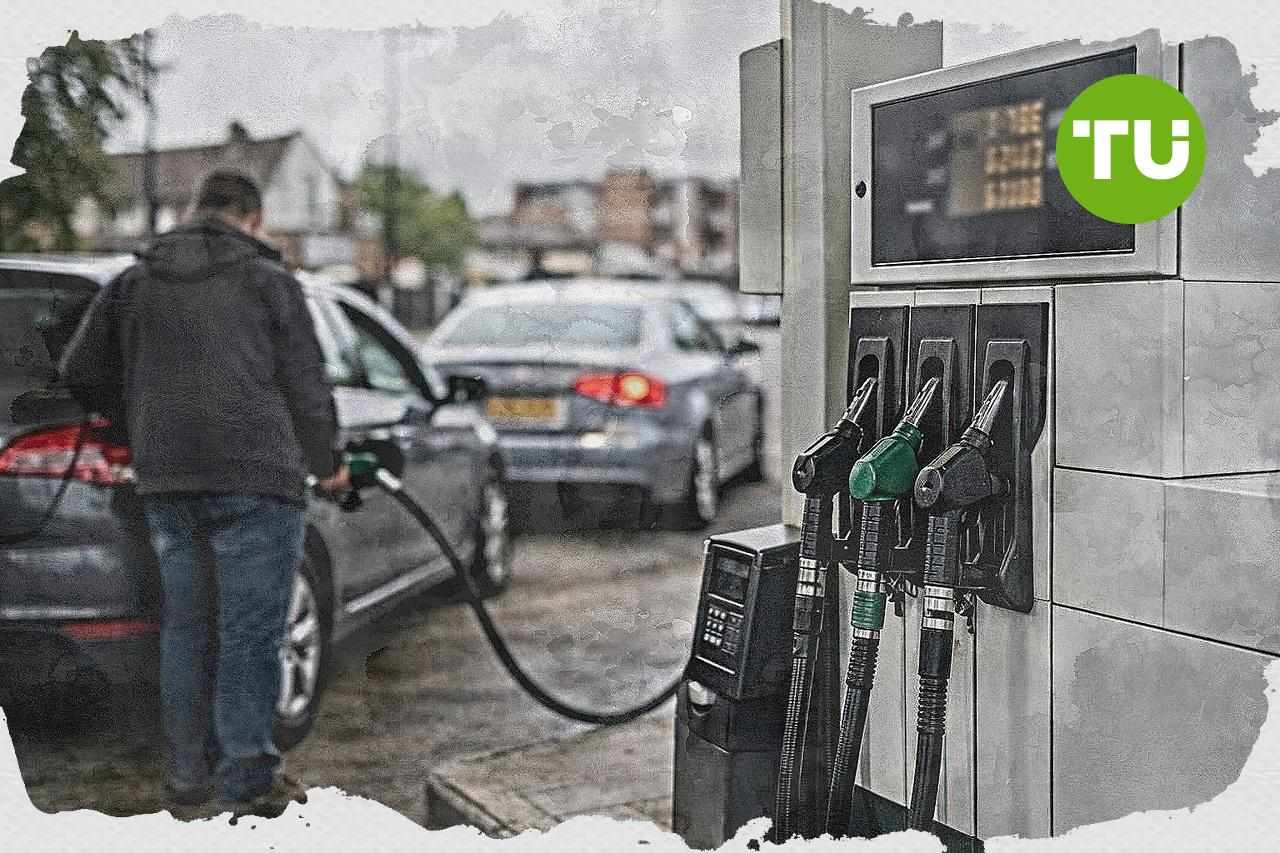
Currency markets remain focused on the inflation and growth risks from the war involving Iran, with higher oil prices reinforcing caution around the UK rate path. Sterling is little changed against the dollar and the euro as investors weigh how long the conflict lasts and what that means for Bank of England policy.
Highlights
- Sterling trades near mid-range as Iranian missile damages Kuwait's airport, U.S. strikes near Hormuz, and Brent crude hits one-week high.
- GBP/USD down 0.1% to $1.3447, while money markets delay full pricing of a BoE rate hike until September, with under two hikes expected in 2024.
- Diverging central bank paths emerge as ECB likely to hike rates next week, Fed expectations shift higher, while BoE stays cautious amid inflation risks.
War tensions and rate expectations
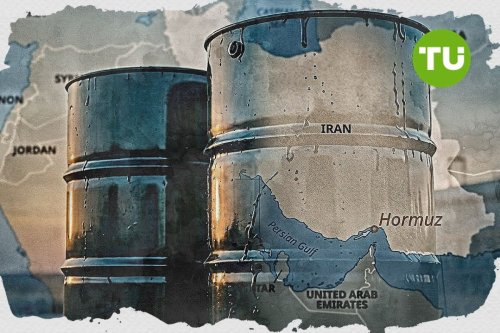
As reported by Reuters, sterling trades near the middle of its recent range on Wednesday as talks to end the war remain at a stalemate and hostilities flare again in the Middle East. An Iranian missile attack damages Kuwait's airport, while the U.S. military carries out strikes near the Strait of Hormuz, helping push Brent crude futures to their highest level in a week.Britain's greater reliance on imported energy leaves it more exposed than the United States to higher global fuel costs. Although prices have eased from their late April highs, they remain well above levels seen before the U.S.-Israeli attacks on Iran on February 28 that ignite the war.
The pound is last down about 0.1% against the dollar at $1.3447, while it is little changed against the euro at 86.34 pence. Investors are betting that the Bank of England can wait before raising rates, and money market futures are not fully pricing in a quarter-point increase until the September meeting, with just under two hikes priced by year-end.
Diverging central bank paths shape sterling
Gustav Helgesson, a macro strategist at SEB, says the market has given the Bank of England room to wait as long as the Strait of Hormuz reopens soon. He adds that, absent major upside surprises in underlying inflation, the BoE could stay on hold, and that rate differentials would tend to weaken the pound.Helgesson also says an end to the war could ease pressure on UK public finances, which could support sterling. In contrast with the BoE, the European Central Bank is widely expected to raise interest rates next week, while investors are also bringing forward expectations for Federal Reserve rate increases after resilient U.S. data and mounting price pressures.
In our earlier article, we covered how renewed strikes around the Strait of Hormuz lifted oil prices after Iran launched missiles and drones toward Kuwait and Bahrain and the U.S. carried out retaliatory strikes near Qeshm Island. We noted that the proximity to this key energy chokepoint amplified supply-risk fears, supporting Brent and WTI and raising the prospect of renewed inflation pressure as the conflict widened.



Latest Brent News






-
 Afghanistan
-
 Albania
-
 Algeria
-
 Angola
-
 Argentina
-
 Armenia
-
 Australia
-
 Austria
-
 Azerbaijan
-
 Bahamas
-
 Bahrain
-
 Bangladesh
-
 Belarus
-
 Belgium
-
 Bolivia
-
 Botswana
-
 Brazil
-
 Brunei
-
 Bulgaria
-
 Cambodia
-
 Cameroon
-
 Canada
-
 Chile
Chile
-
 China
China
-
 Colombia
-
 Congo
Congo
-
 Costa Rica
-
 Cote d'Ivoire
-
 Croatia
-
 Cuba
Cuba
-
 Cyprus
-
 Czechia
-
 DR Congo
-
 Denmark
-
 Dominican Republic
-
 Ecuador
-
 Egypt
Egypt
-
 El Salvador
-
 Estonia
-
 Eswatini
-
 Ethiopia
-
 Finland
-
 France
-
 Georgia
-
 Germany
-
 Ghana
Ghana
-
 Greece
-
 Haiti
Haiti
-
 Hong Kong
-
 Hungary
-
 India
India
-
 Indonesia
-
 Iran, Islamic republic
-
 Iraq
Iraq
-
 Ireland
-
 Israel
-
 Italy
Italy
-
 Jamaica
-
 Japan
Japan
-
 Jordan
-
 Kazakhstan
-
 Kenya
Kenya
-
 Korea
Korea
-
 Kuwait
-
 Kyrgyzstan
-
 Laos
Laos
-
 Latvia
-
 Lebanon
-
 Lesotho
-
 Libya
Libya
-
 Lithuania
-
 Luxembourg
-
 Madagascar
-
 Malaysia
-
 Malta
Malta
-
 Mauritius
-
 Mexico
-
 Moldova
-
 Mongolia
-
 Montenegro
-
 Morocco
-
 Mozambique
-
 Myanmar
-
 Namibia
-
 Nepal
Nepal
-
 Netherlands
-
 New Zealand
-
 Nigeria
-
 North Macedonia
-
 Norway
-
 Oman
Oman
-
 Pakistan
-
 Palestine
-
 Panama
-
 Papua New Guinea
-
 Paraguay
-
 Peru
Peru
-
 Philippines
-
 Poland
-
 Portugal
-
 Puerto Rico
-
 Qatar
Qatar
-
 Reunion
-
 Romania
-
 Rwanda
-
 Saudi Arabia
-
 Serbia
-
 Singapore
-
 Slovakia
-
 Slovenia
-
 Somalia
-
 South Africa
-
 Spain
Spain
-
 Sri Lanka
-
 Sweden
-
 Switzerland
-
 Syria
Syria
-
 Taiwan
-
 Tajikistan
-
 Tanzania
-
 Thailand
-
 Trinidad and Tobago
-
 Tunisia
-
 Turkey
-
 UAE
UAE
-
 Uganda
-
 Ukraine
-
 United Kingdom
-
United States
-
 Uruguay
-
 Uzbekistan
-
 Venezuela
-
 Vietnam
-
 Yemen
Yemen
-
 Zambia
-
 Zimbabwe
- Forex
- Crypto












