
U.S. offshore wind faces weaker credit outlook as policy shifts favor natural gas
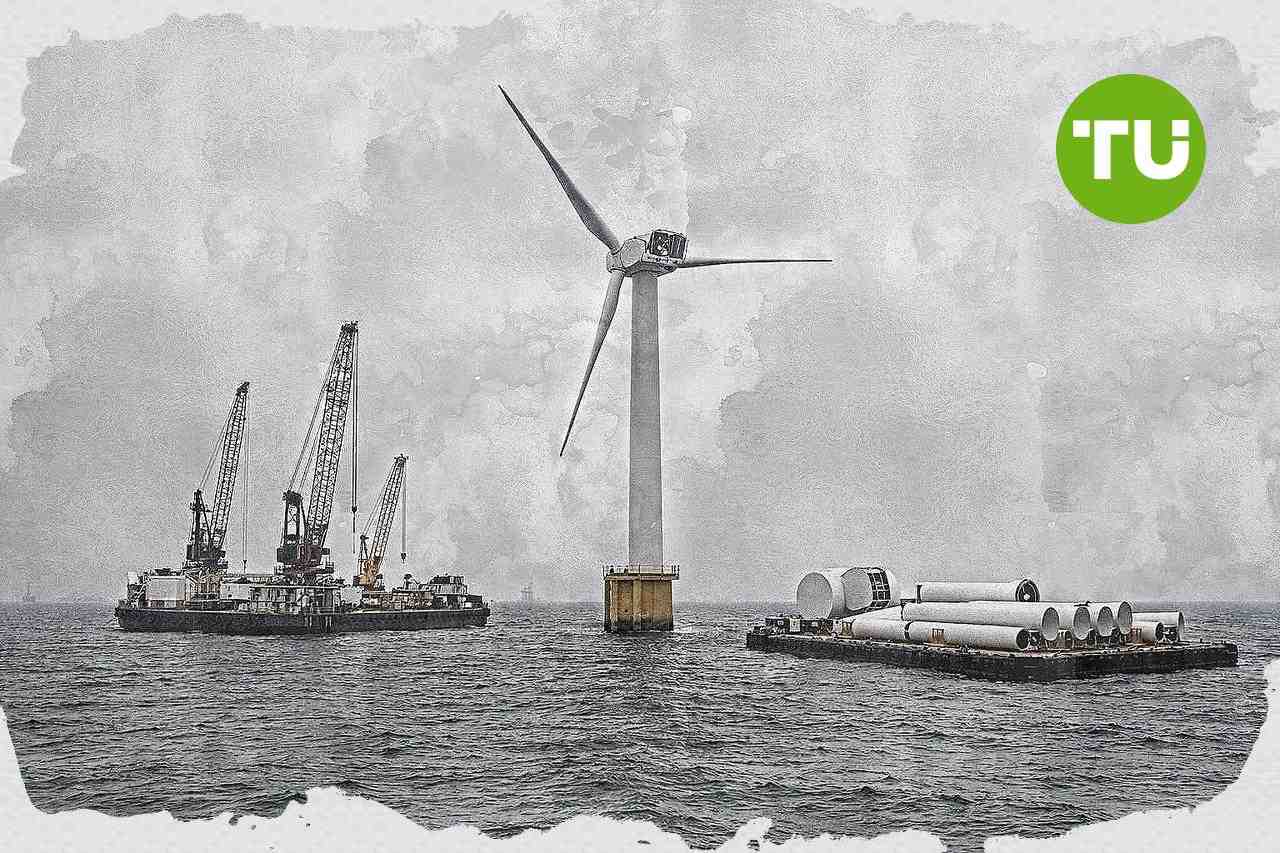
Federal support for U.S. offshore wind is weakening as the Trump administration prioritizes fossil fuel supply and energy reliability. The shift is pressuring project economics, delaying new developments and raising credit risks for the sector through at least 2028.
Highlights
- Morningstar DBRS reports U.S. policy is redirecting capital from offshore wind to natural gas and oil infrastructure, negatively impacting credit quality in the offshore wind sector.
- Developers are incentivized to cancel offshore wind leases, with reimbursements tied to fossil fuel investments, while tariffs, tax credit losses, and project disruptions tighten capital access.
- Stop-work orders, legal disputes, and funding cuts are delaying major offshore wind projects, creating uncertainty and weakening the sector’s near-term financial outlook.
Policy shift reshapes investment outlook
As reported by Morningstar DBRS, the administration is redirecting capital away from offshore wind projects and toward natural gas and oil infrastructure, arguing that domestic fossil fuel production offers lower-cost, scalable baseload energy. That policy stance is reinforcing a negative view on additional U.S. offshore wind development and on the associated credit quality of projects in the sector.Morningstar DBRS says developers are being incentivized to cancel offshore wind leases, with reimbursements linked directly to investment in U.S. fossil fuel assets including LNG export facilities and pipeline capacity. The ratings firm says an unfavorable federal stance, together with tariffs, the loss of tax credits and project disruptions, is weakening investor confidence and tightening access to capital.
Kevin Beicke, Vice President, Asset Finance Ratings, says the policy environment has shifted markedly. He says President Trump's opposition to offshore wind is creating significant regulatory uncertainty and further undermining financing conditions for developers.
Project delays add pressure across the sector
Operational and legal setbacks are also weighing on the industry, with stop-work orders, court disputes and funding cuts delaying or jeopardizing several large-scale offshore wind projects. Even where some developments resume construction or move toward completion, the broader policy backdrop continues to cloud the near-term pipeline.The U.S. wind sector's financial and operating performance has long depended on federal policy, making the latest shift especially significant for future buildout plans. With support now tilting toward natural gas, the offshore wind market faces a tougher investment environment and a weaker near-term outlook for new project execution.
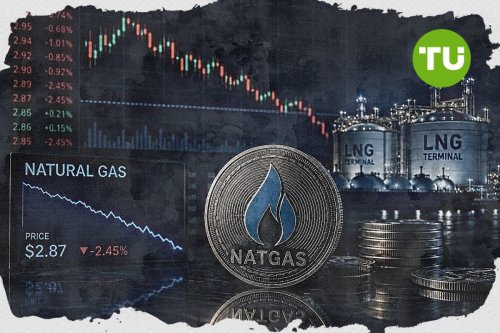
In our earlier article on natural gas pricing, we explained how easing geopolitical risks—especially improving U.S.-Iran talks and more secure shipping through the Strait of Hormuz—reduced the premium in LNG-linked prices. We also noted that ample U.S. inventories, strong production, and temporary maintenance at LNG export facilities were keeping fundamentals moderately bearish while traders watched weather and export utilization for the next catalyst.





Latest Natural Gas News








-
 Afghanistan
-
 Albania
-
 Algeria
-
 Angola
-
 Argentina
-
 Armenia
-
 Australia
-
 Austria
-
 Azerbaijan
-
 Bahamas
-
 Bahrain
-
 Bangladesh
-
 Belarus
-
 Belgium
-
 Bolivia
-
 Botswana
-
 Brazil
-
 Brunei
-
 Bulgaria
-
 Cambodia
-
 Cameroon
-
 Canada
-
 Chile
Chile
-
 China
China
-
 Colombia
-
 Congo
Congo
-
 Costa Rica
-
 Cote d'Ivoire
-
 Croatia
-
 Cuba
Cuba
-
 Cyprus
-
 Czechia
-
 DR Congo
-
 Denmark
-
 Dominican Republic
-
 Ecuador
-
 Egypt
Egypt
-
 El Salvador
-
 Estonia
-
 Eswatini
-
 Ethiopia
-
 Finland
-
 France
-
 Georgia
-
 Germany
-
 Ghana
Ghana
-
 Greece
-
 Haiti
Haiti
-
 Hong Kong
-
 Hungary
-
 India
India
-
 Indonesia
-
 Iran, Islamic republic
-
 Iraq
Iraq
-
 Ireland
-
 Israel
-
 Italy
Italy
-
 Jamaica
-
 Japan
Japan
-
 Jordan
-
 Kazakhstan
-
 Kenya
Kenya
-
 Korea
Korea
-
 Kuwait
-
 Kyrgyzstan
-
 Laos
Laos
-
 Latvia
-
 Lebanon
-
 Lesotho
-
 Libya
Libya
-
 Lithuania
-
 Luxembourg
-
 Madagascar
-
 Malaysia
-
 Malta
Malta
-
 Mauritius
-
 Mexico
-
 Moldova
-
 Mongolia
-
 Montenegro
-
 Morocco
-
 Mozambique
-
 Myanmar
-
 Namibia
-
 Nepal
Nepal
-
 Netherlands
-
 New Zealand
-
 Nigeria
-
 North Macedonia
-
 Norway
-
 Oman
Oman
-
 Pakistan
-
 Palestine
-
 Panama
-
 Papua New Guinea
-
 Paraguay
-
 Peru
Peru
-
 Philippines
-
 Poland
-
 Portugal
-
 Puerto Rico
-
 Qatar
Qatar
-
 Reunion
-
 Romania
-
 Rwanda
-
 Saudi Arabia
-
 Serbia
-
 Singapore
-
 Slovakia
-
 Slovenia
-
 Somalia
-
 South Africa
-
 Spain
Spain
-
 Sri Lanka
-
 Sweden
-
 Switzerland
-
 Syria
Syria
-
 Taiwan
-
 Tajikistan
-
 Tanzania
-
 Thailand
-
 Trinidad and Tobago
-
 Tunisia
-
 Turkey
-
 UAE
UAE
-
 Uganda
-
 Ukraine
-
 United Kingdom
-
United States
-
 Uruguay
-
 Uzbekistan
-
 Venezuela
-
 Vietnam
-
 Yemen
Yemen
-
 Zambia
-
 Zimbabwe
- Forex
- Crypto












