
UK sets July 22 summit with EU as Starmer pursues closer ties
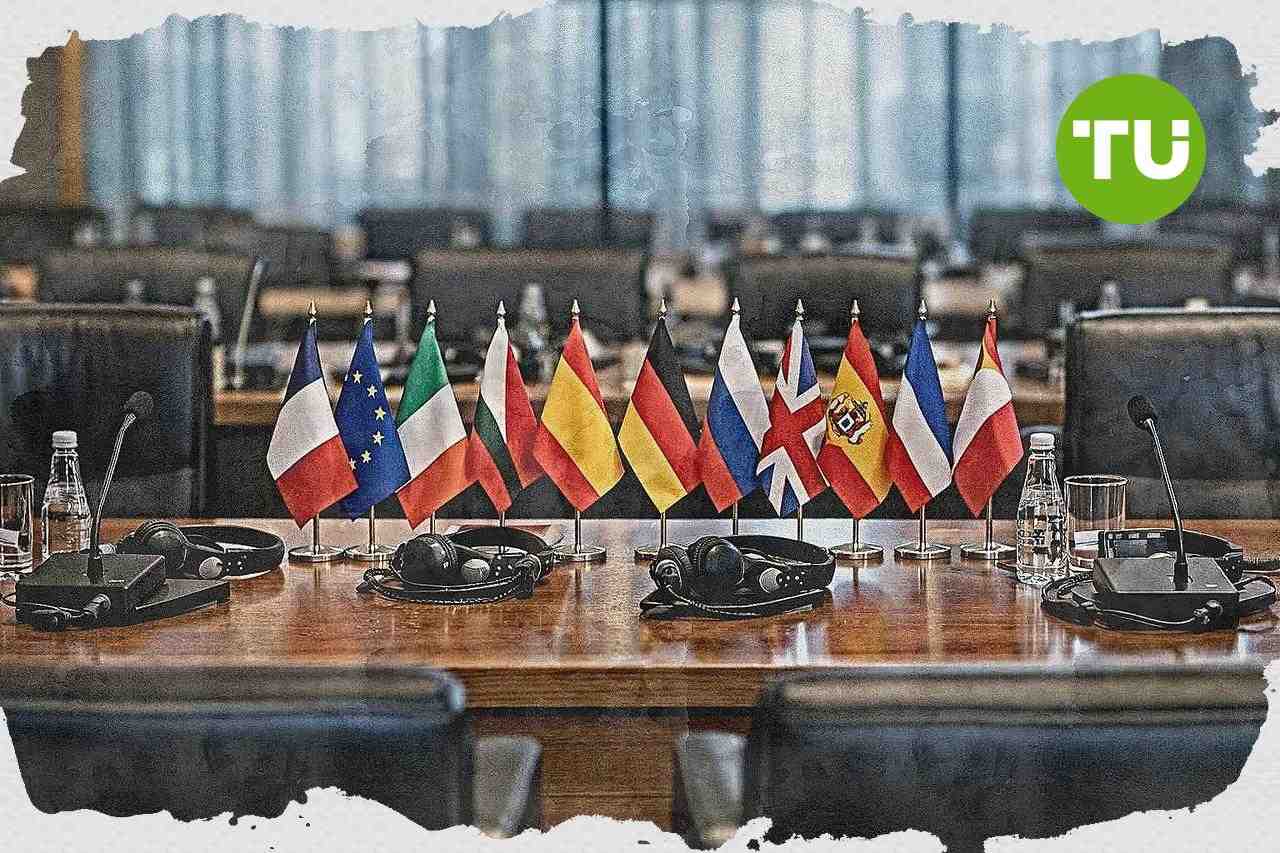
With a decade having passed since the Brexit vote, Britain and the EU are preparing for a second bilateral summit in Brussels on July 22 as Prime Minister Keir Starmer pushes to deepen co-operation. The meeting comes amid political uncertainty over Starmer's future and continued negotiations over youth mobility, university fees and trade barriers in food, drink and energy.
Highlights
- The UK and EU will hold their second summit in Brussels on July 22 to discuss deeper ties, trade barriers, and youth mobility schemes.
- EU member states have requested discounted tuition for EU students at UK universities, which is under consideration as part of broader negotiations.
- UK ministers aim to secure British participation in future 'Made in Europe' supply chains as the EU tightens trade defences against China and the U.S.
Summit agenda and negotiation priorities
As reported by Financial Times, Keir Starmer announced in a post on X after talks with European Council president António Costa at the G7 summit in France, the UK and the EU will hold their second summit in Brussels on July 22. Starmer says his Labour government is resetting relations with the bloc and aims to place Britain "at the heart of Europe" while seeking action on living costs, jobs and opportunities for young people.The European Commission had initially pencilled in July 13 for the meeting, but some EU member states hesitated because of questions over whether they should negotiate with a potentially outgoing prime minister. Diplomats in Brussels say the main issue is whether the summit can deliver concrete progress, and talks with Starmer's team continue over possible outcomes.
Among the main demands from EU member states is a UK offer of discounted tuition rates for EU students at British universities, a concession that some UK officials say is under consideration. The two sides are also working to finalise a youth mobility scheme and to reduce trade barriers in food, drink and energy, building on work that began after the first UK-EU summit last May.
Political pressure and business implications
Costa says close EU-UK co-operation is essential for shared European security, resilience and prosperity, underlining the broader strategic importance of the July meeting. Starmer has also said he wants the summit to be ambitious, arguing that incremental change is not enough for the policy challenges facing the UK.The business dimension is also growing as UK ministers try to ensure British companies are not excluded from future "Made in Europe" supply chains while the EU strengthens its trade defences against China and the U.S. Business Secretary Peter Kyle has signalled openness to discussing tuition fee concessions in Brussels, suggesting the government sees the issue as part of a wider economic reset with the bloc.
Domestic politics remain a complicating factor for the negotiations. Some in Brussels are weighing whether Andy Burnham, the Greater Manchester mayor who is seeking a return to parliament through a by-election, could eventually pursue a more ambitious EU arrangement, although he has softened his pro-European rhetoric in a heavily pro-Leave constituency.
In our earlier coverage of the EU’s debate over a tougher trade response to China, we highlighted how internal divisions among member states have limited Brussels’ willingness to deploy its strongest trade-defense tools. We also described how scenario testing of an EU-China trade clash underscored Europe’s vulnerabilities—especially around rare earths and other critical inputs—reinforcing the case for a longer-term industrial strategy to build supply-chain resilience before escalating.





Latest UK News





-
 Afghanistan
-
 Albania
-
 Algeria
-
 Angola
-
 Argentina
-
 Armenia
-
 Australia
-
 Austria
-
 Azerbaijan
-
 Bahamas
-
 Bahrain
-
 Bangladesh
-
 Belarus
-
 Belgium
-
 Bolivia
-
 Botswana
-
 Brazil
-
 Brunei
-
 Bulgaria
-
 Cambodia
-
 Cameroon
-
 Canada
-
 Chile
Chile
-
 China
China
-
 Colombia
-
 Congo
Congo
-
 Costa Rica
-
 Cote d'Ivoire
-
 Croatia
-
 Cuba
Cuba
-
 Cyprus
-
 Czechia
-
 DR Congo
-
 Denmark
-
 Dominican Republic
-
 Ecuador
-
 Egypt
Egypt
-
 El Salvador
-
 Estonia
-
 Eswatini
-
 Ethiopia
-
 Finland
-
 France
-
 Georgia
-
 Germany
-
 Ghana
Ghana
-
 Greece
-
 Haiti
Haiti
-
 Hong Kong
-
 Hungary
-
 India
India
-
 Indonesia
-
 Iran, Islamic republic
-
 Iraq
Iraq
-
 Ireland
-
 Israel
-
 Italy
Italy
-
 Jamaica
-
 Japan
Japan
-
 Jordan
-
 Kazakhstan
-
 Kenya
Kenya
-
 Korea
Korea
-
 Kuwait
-
 Kyrgyzstan
-
 Laos
Laos
-
 Latvia
-
 Lebanon
-
 Lesotho
-
 Libya
Libya
-
 Lithuania
-
 Luxembourg
-
 Madagascar
-
 Malaysia
-
 Malta
Malta
-
 Mauritius
-
 Mexico
-
 Moldova
-
 Mongolia
-
 Montenegro
-
 Morocco
-
 Mozambique
-
 Myanmar
-
 Namibia
-
 Nepal
Nepal
-
 Netherlands
-
 New Zealand
-
 Nigeria
-
 North Macedonia
-
 Norway
-
 Oman
Oman
-
 Pakistan
-
 Palestine
-
 Panama
-
 Papua New Guinea
-
 Paraguay
-
 Peru
Peru
-
 Philippines
-
 Poland
-
 Portugal
-
 Puerto Rico
-
 Qatar
Qatar
-
 Reunion
-
 Romania
-
 Rwanda
-
 Saudi Arabia
-
 Serbia
-
 Singapore
-
 Slovakia
-
 Slovenia
-
 Somalia
-
 South Africa
-
 Spain
Spain
-
 Sri Lanka
-
 Sweden
-
 Switzerland
-
 Syria
Syria
-
 Taiwan
-
 Tajikistan
-
 Tanzania
-
 Thailand
-
 Trinidad and Tobago
-
 Tunisia
-
 Turkey
-
 UAE
UAE
-
 Uganda
-
 Ukraine
-
 United Kingdom
-
United States
-
 Uruguay
-
 Uzbekistan
-
 Venezuela
-
 Vietnam
-
 Yemen
Yemen
-
 Zambia
-
 Zimbabwe
- Forex
- Crypto












